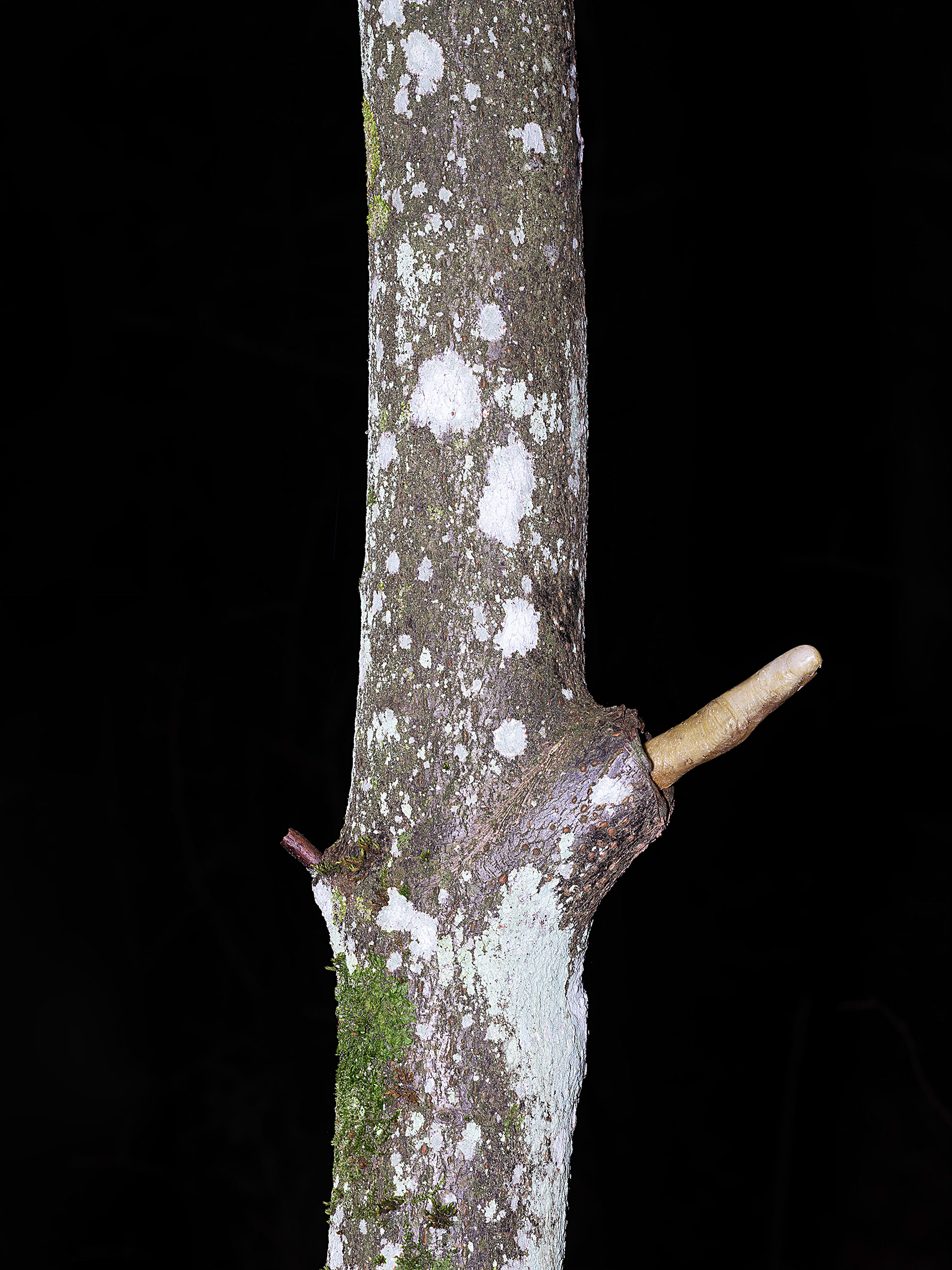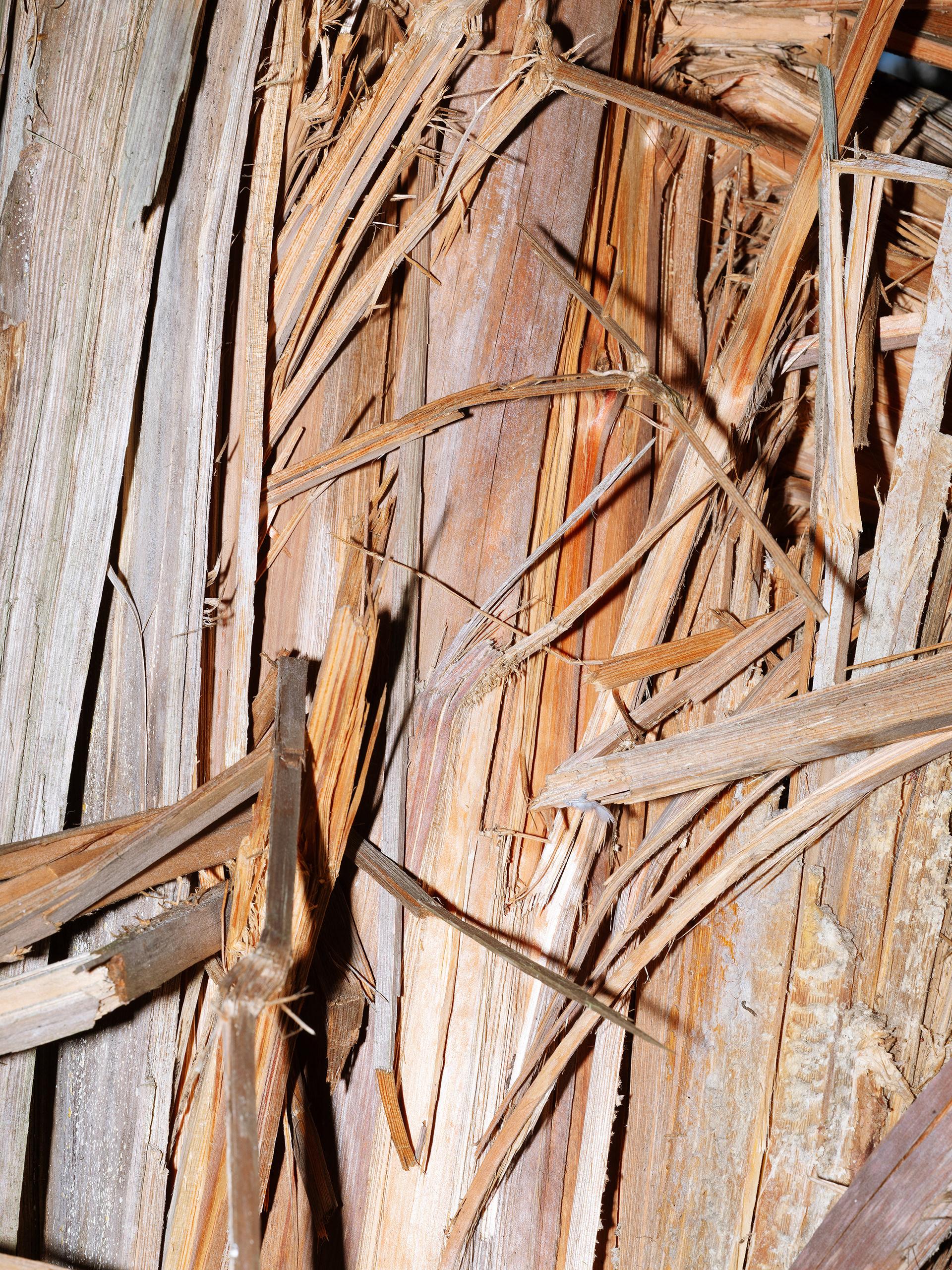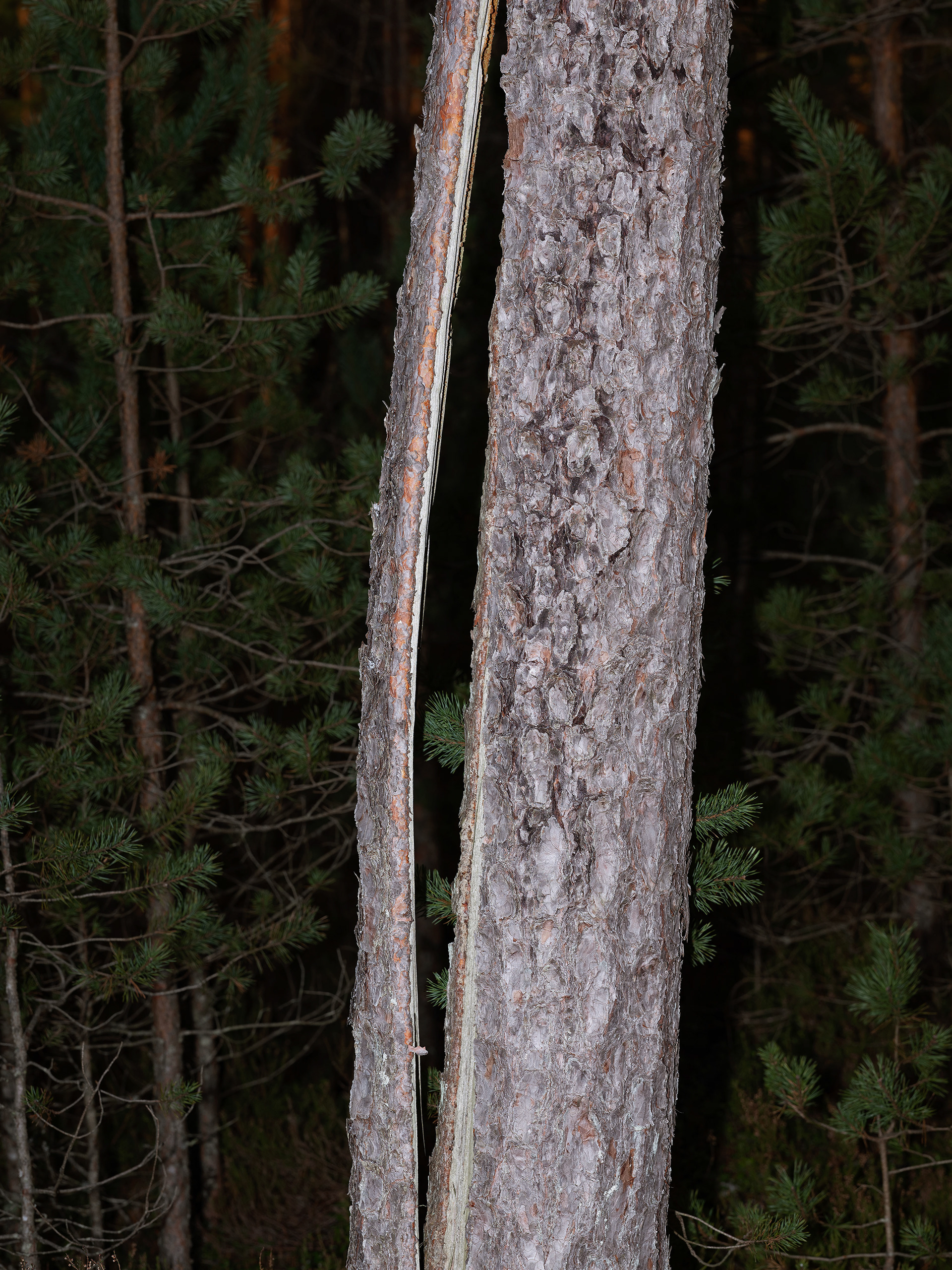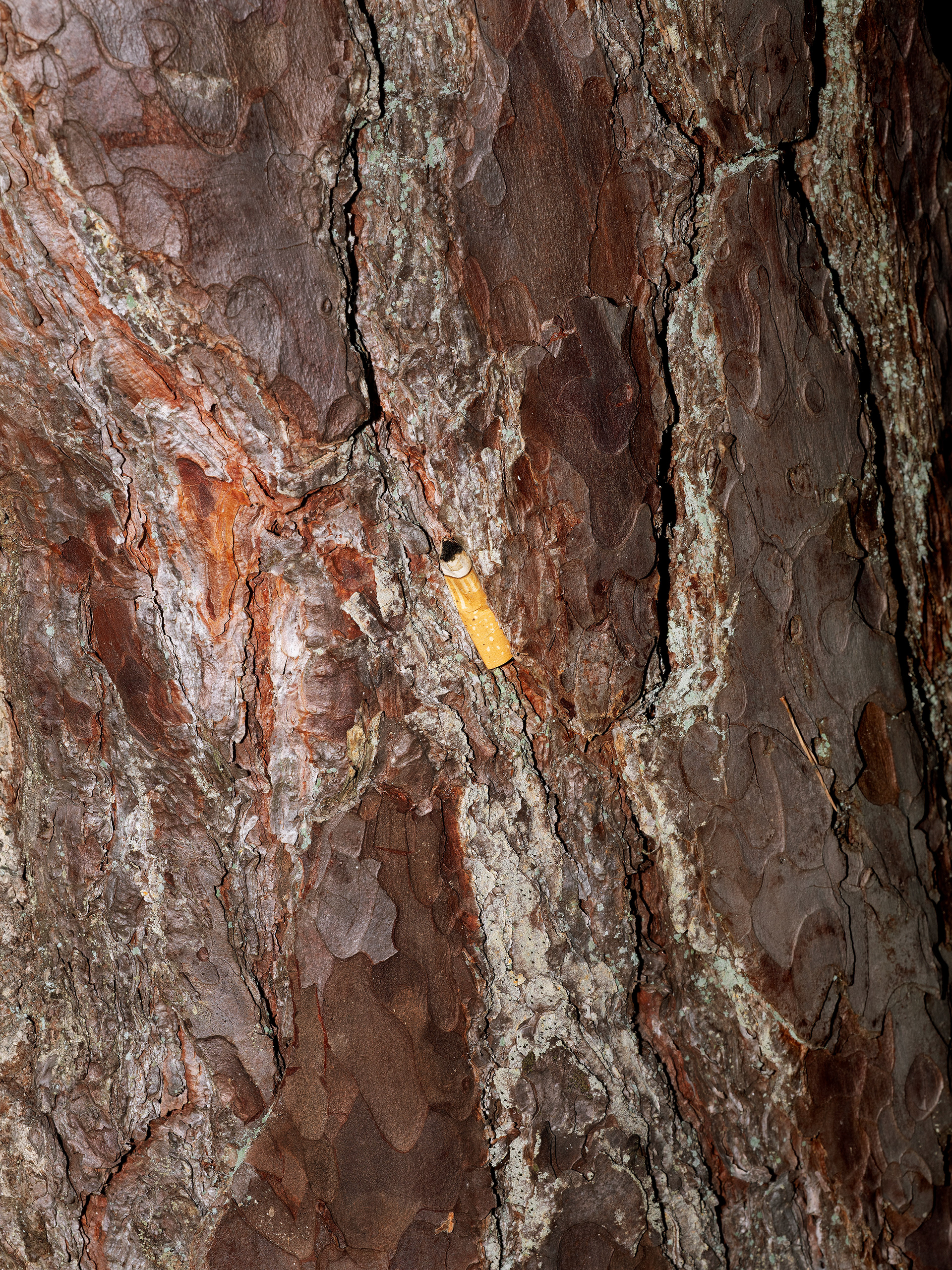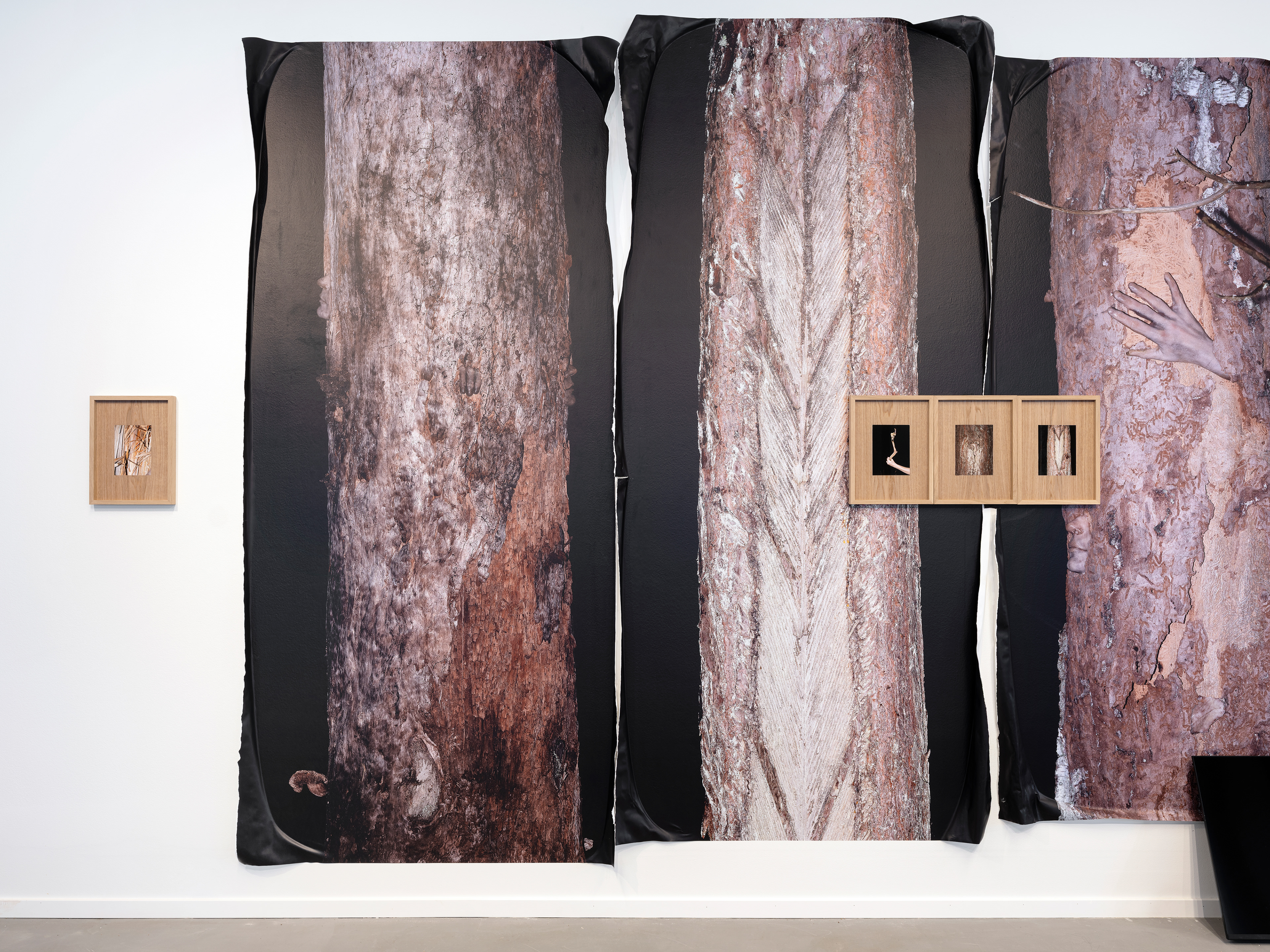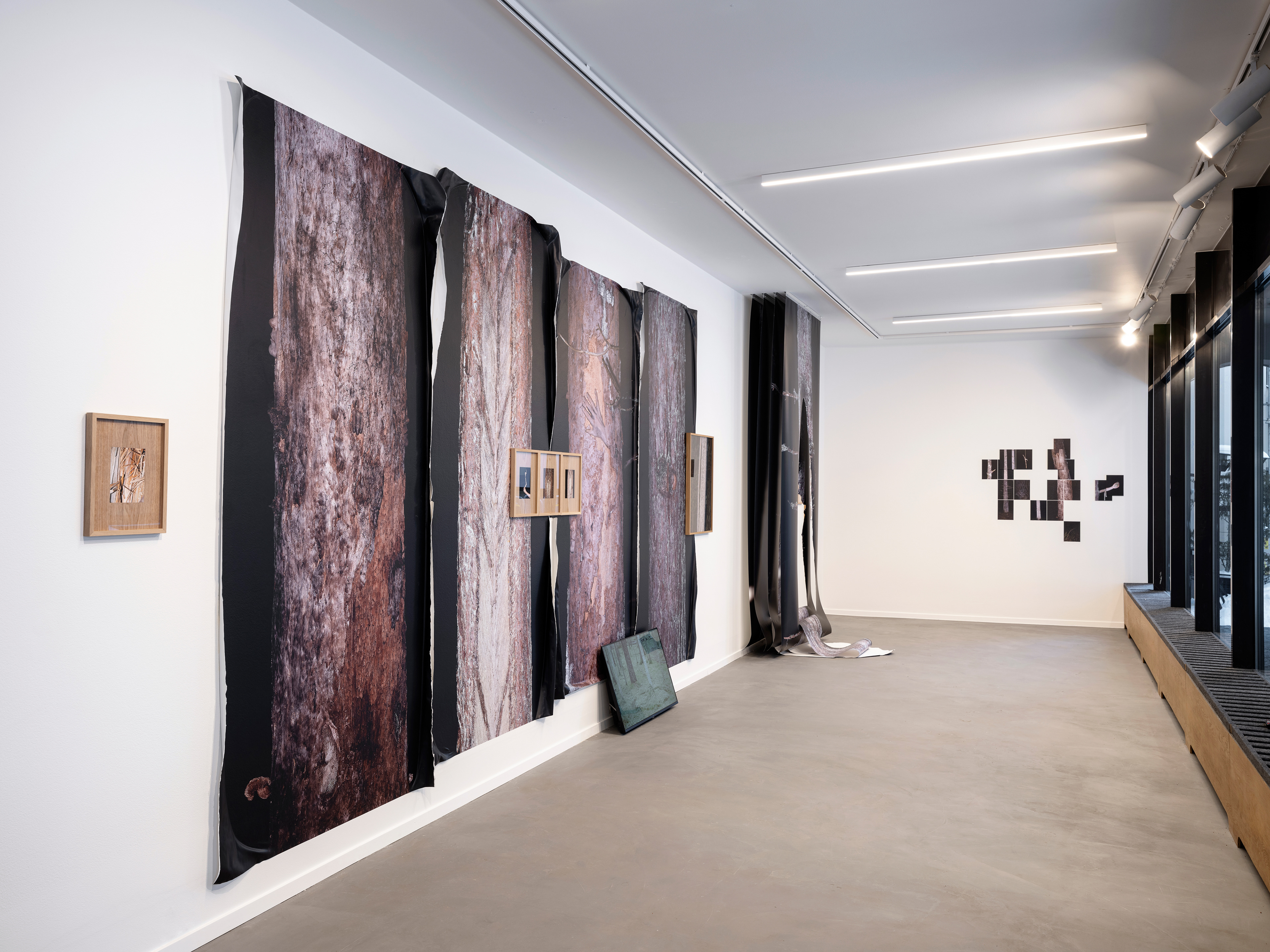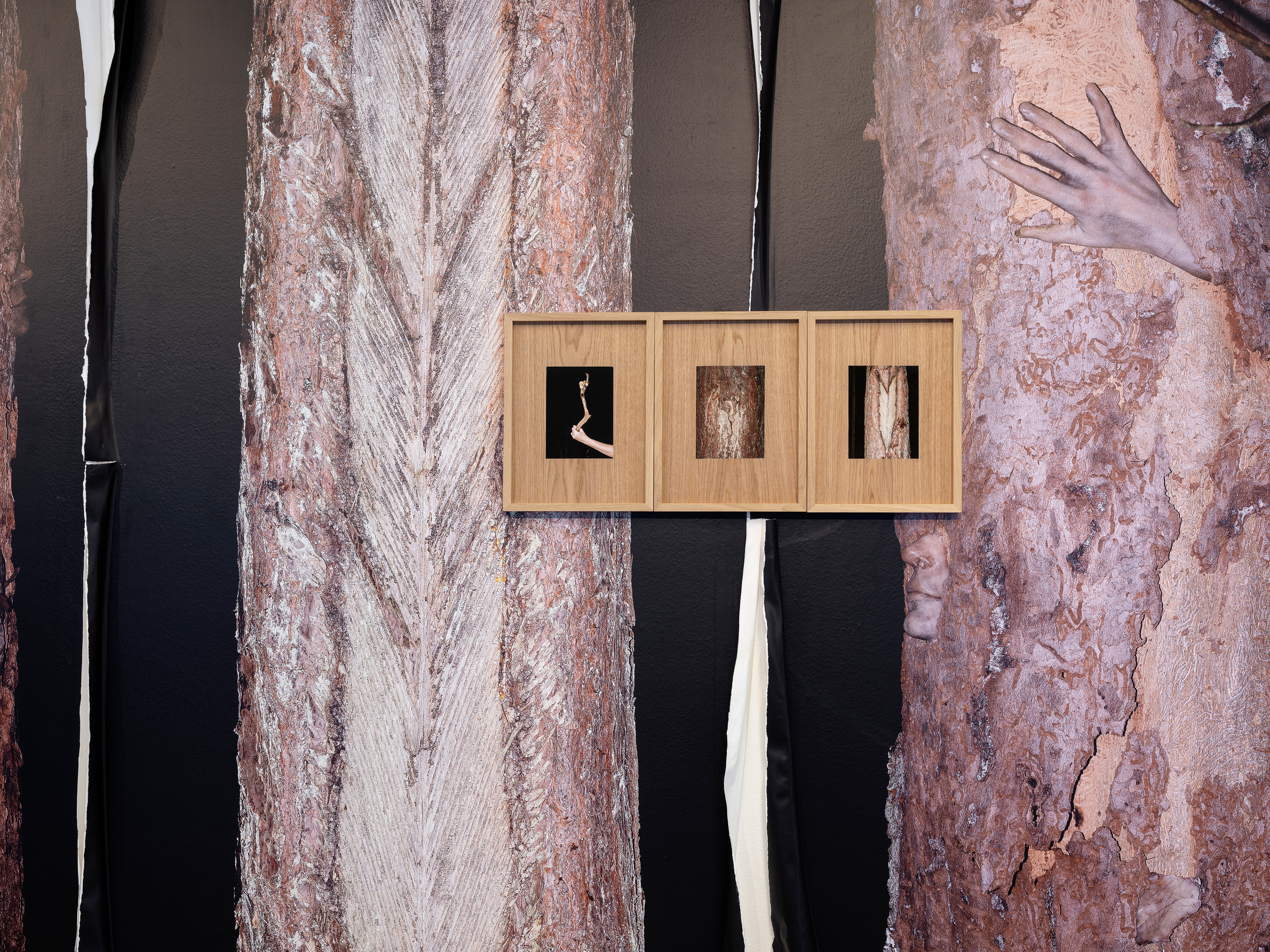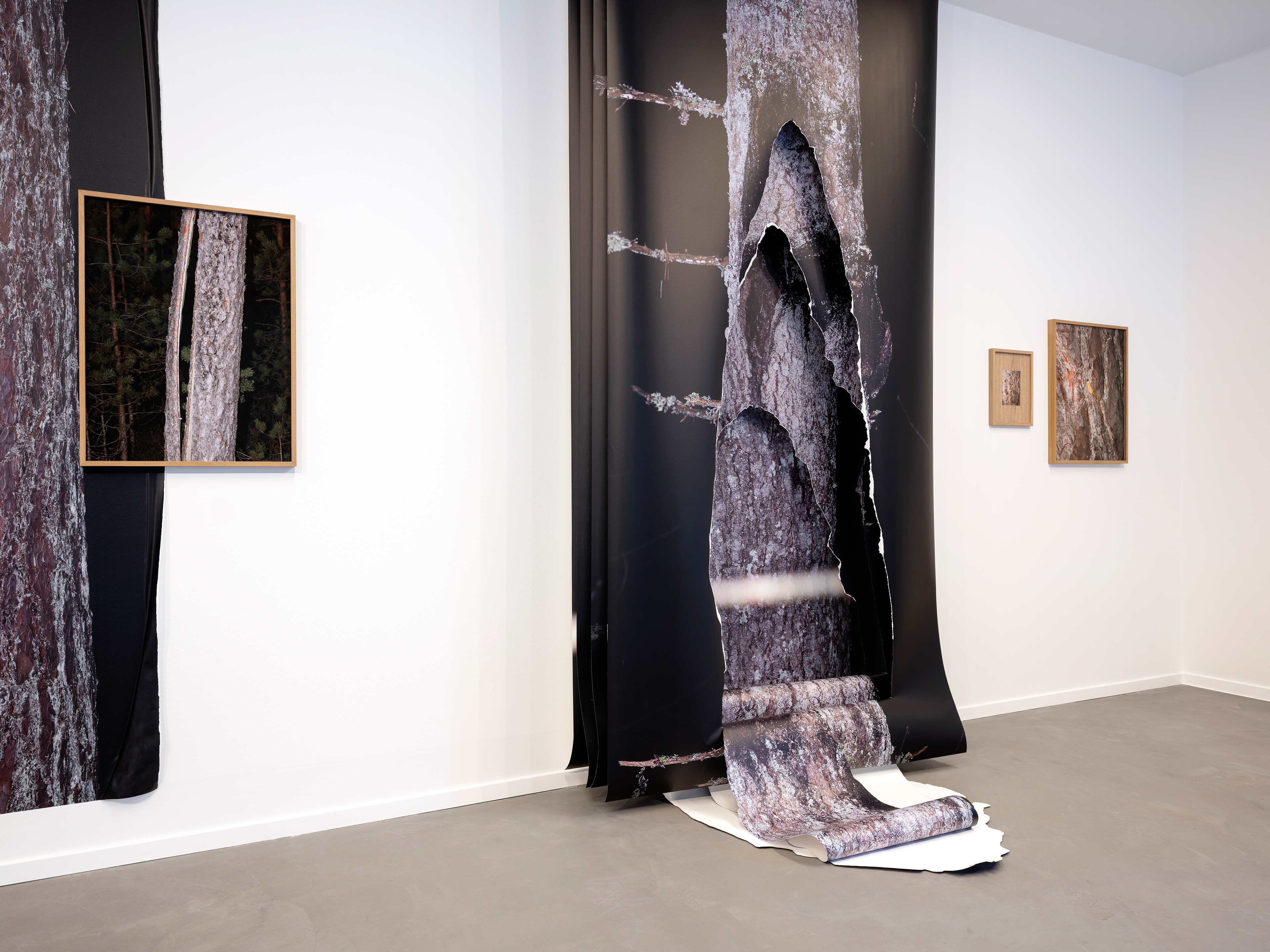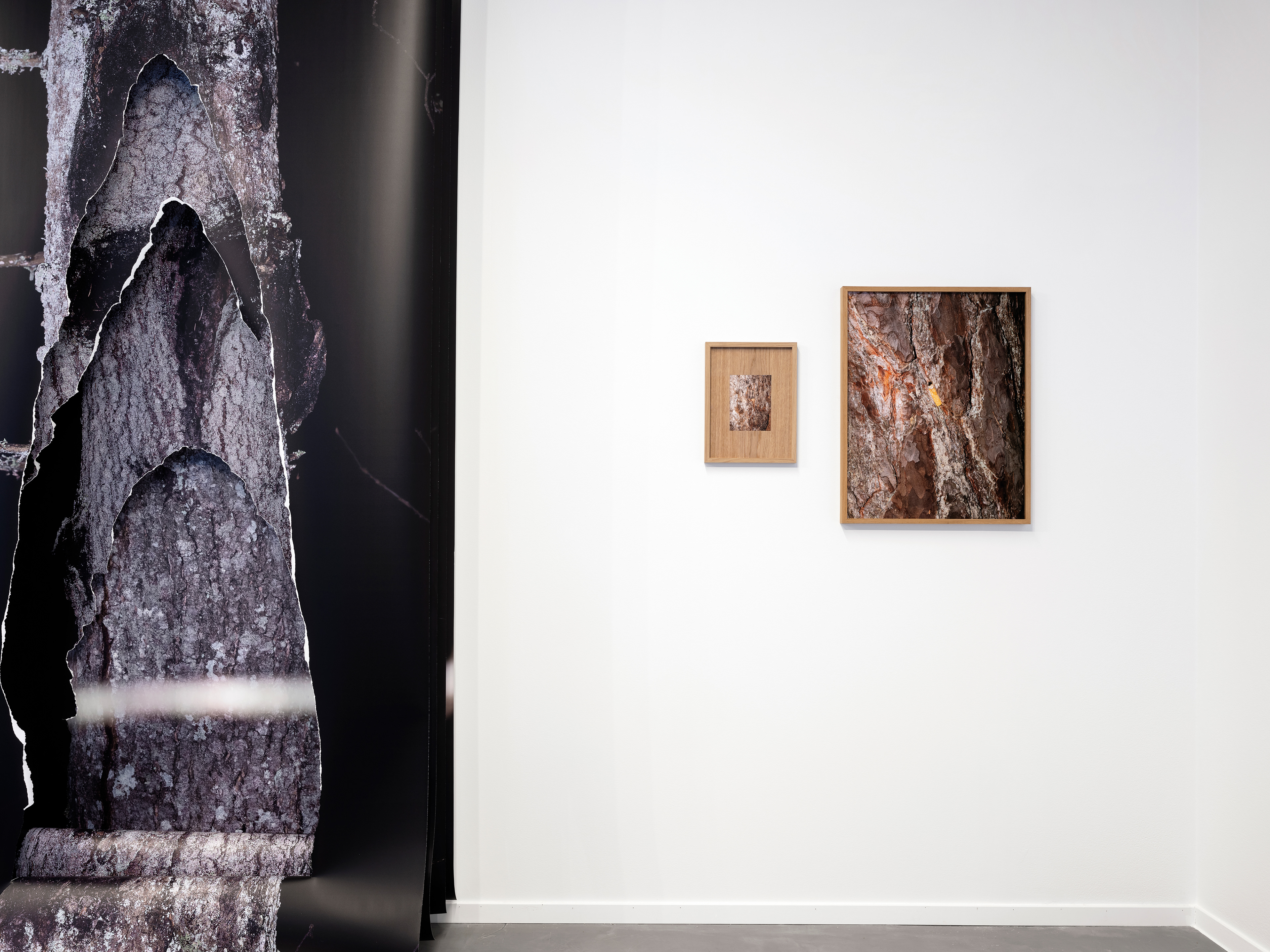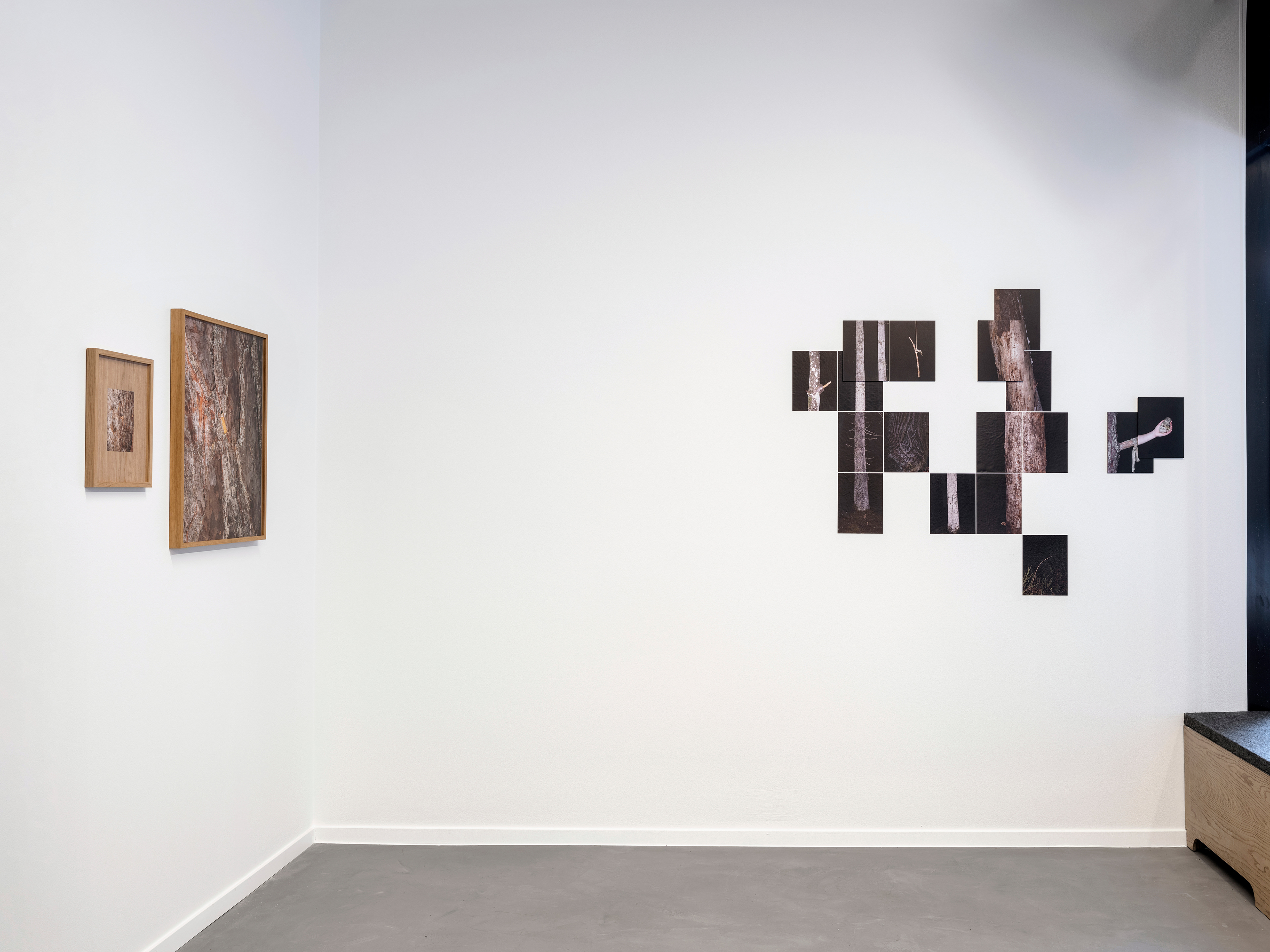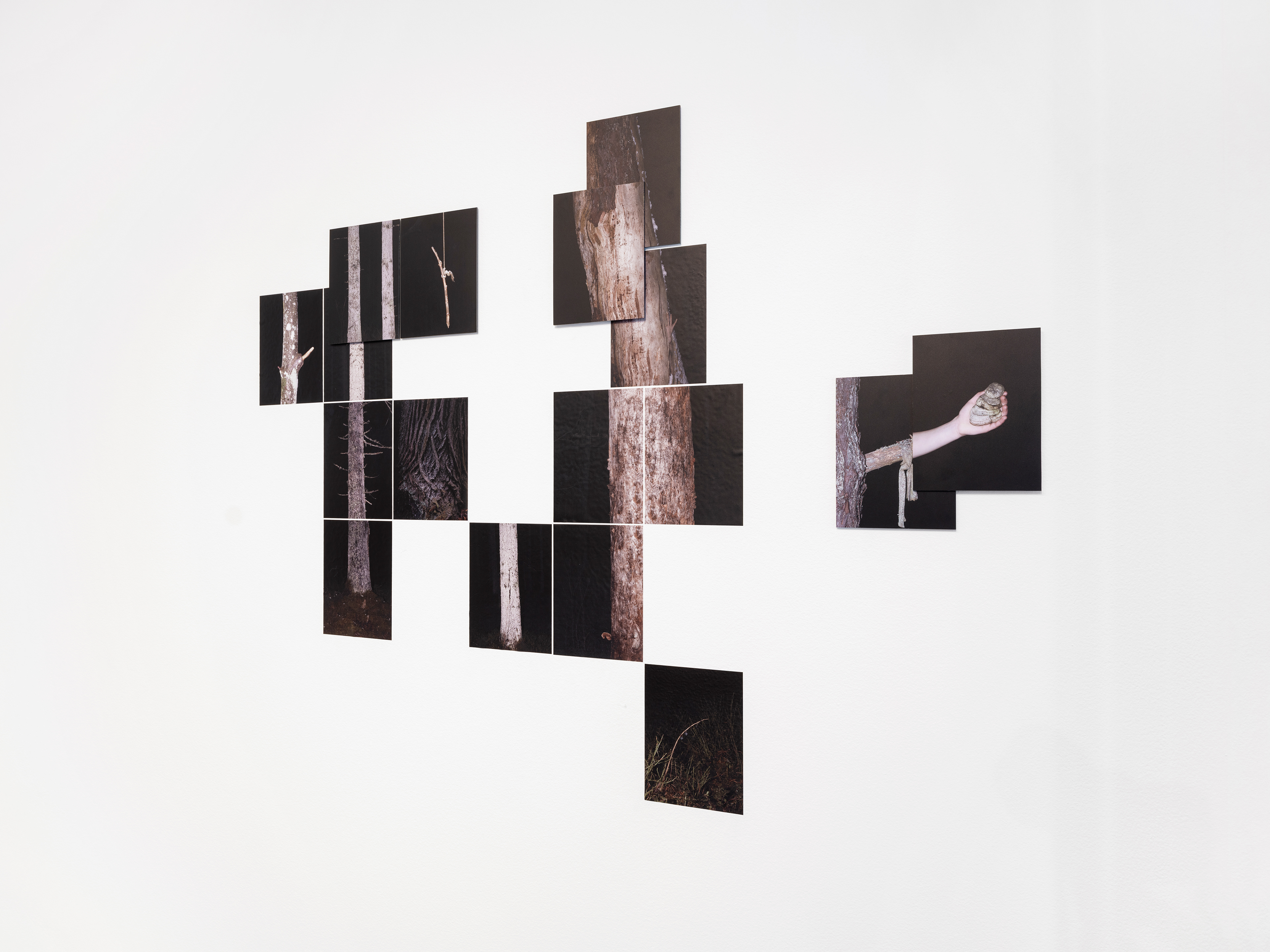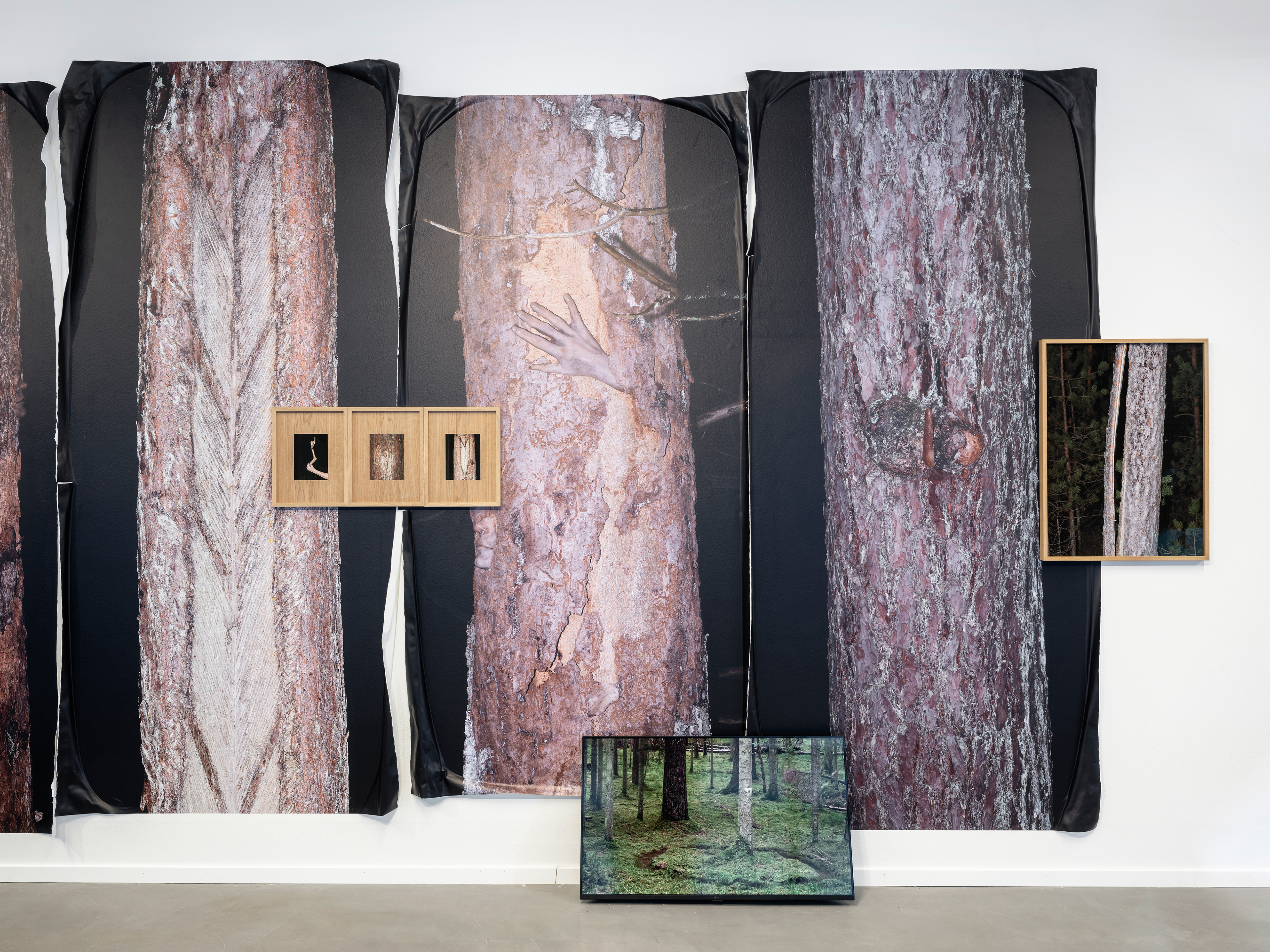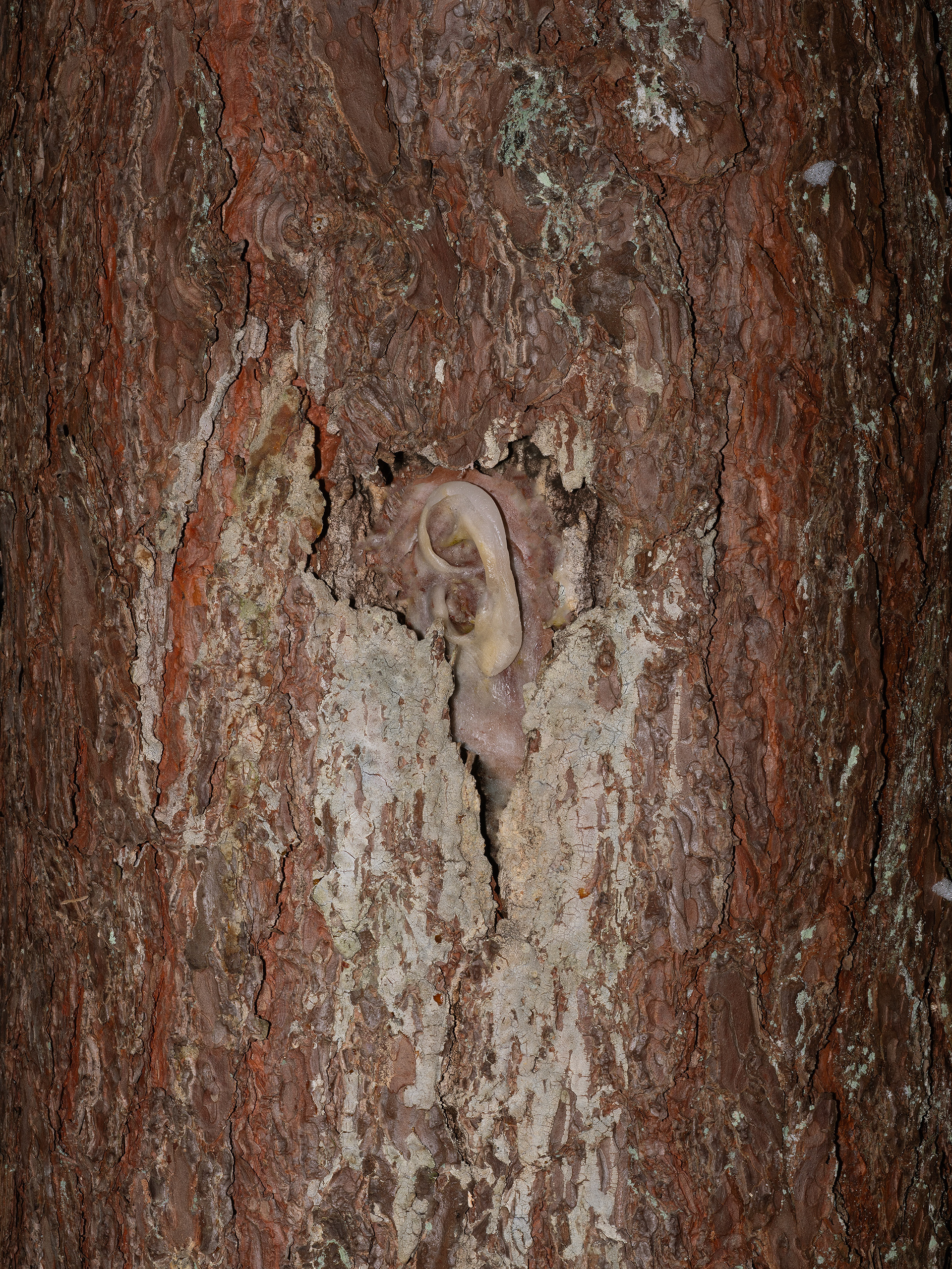
Only about 12% of Latvian forests are older than one hundred years, while more than halfare younger than fifty. This structure reflects the economic logic of forestry, where once trees reach a certain age, both their market value and their carbon sequestration capacity decline. In public discourse this is often framed through rhetoric claiming that Latvian forests are “dying,” while within the forestry sector such stands are frequently labeled unproductive.
Within an anthropocentric worldview, the forest is perceived as a resource – a source of timber, berries, mushrooms, or game. Even in practices that appear closer to nature, such as forest bathing or forest therapy, we still approach the forest as something that belongs to us and provides for us. Yet the role of the forest is far broader. It produces oxygen, regulates climate, and protects against flooding, while also shaping our psychological well-being and reinforcing cultural identity. A forest is not a garden – it is not cultivated, but living, autonomous, and self-sustaining.
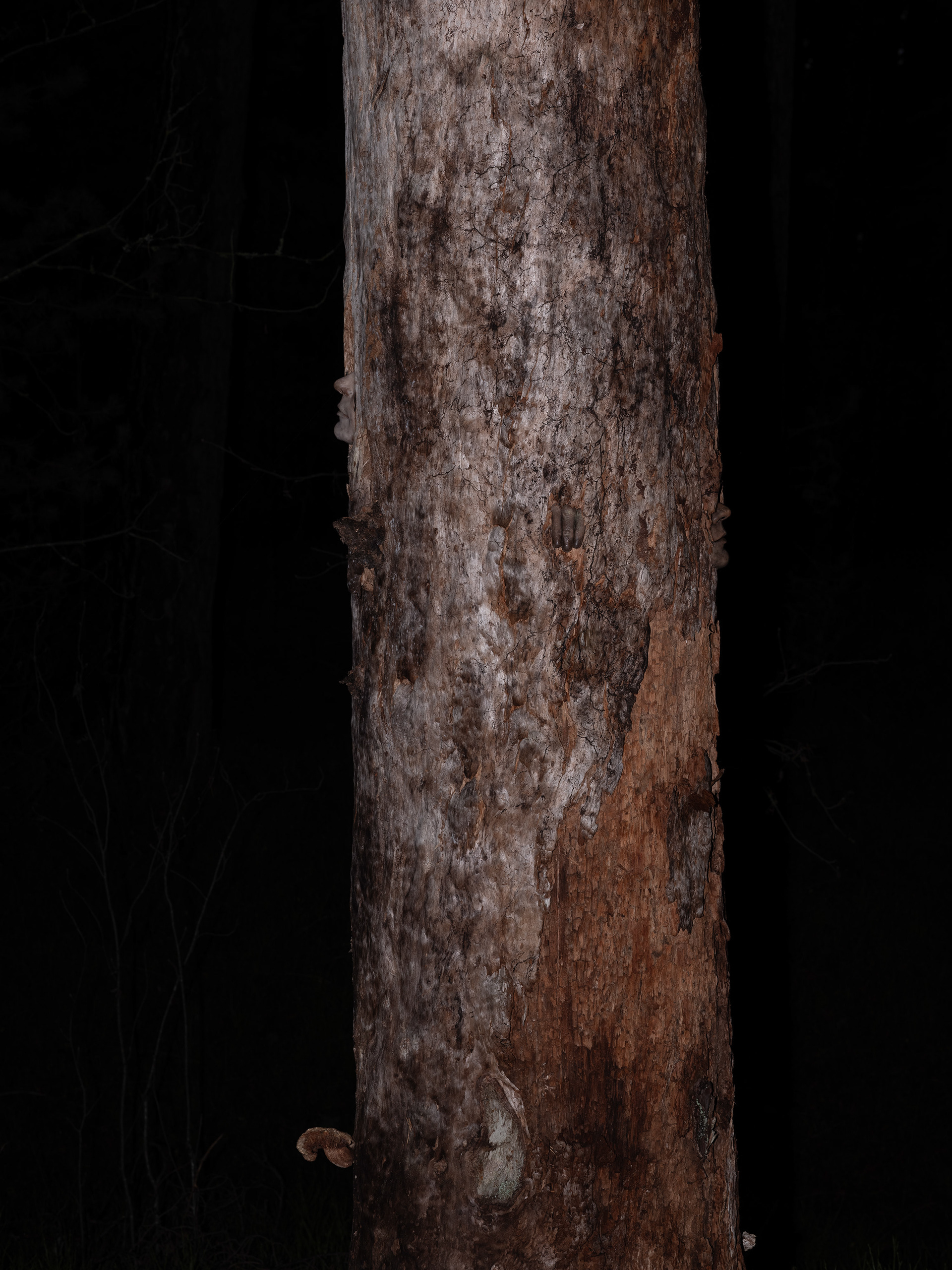
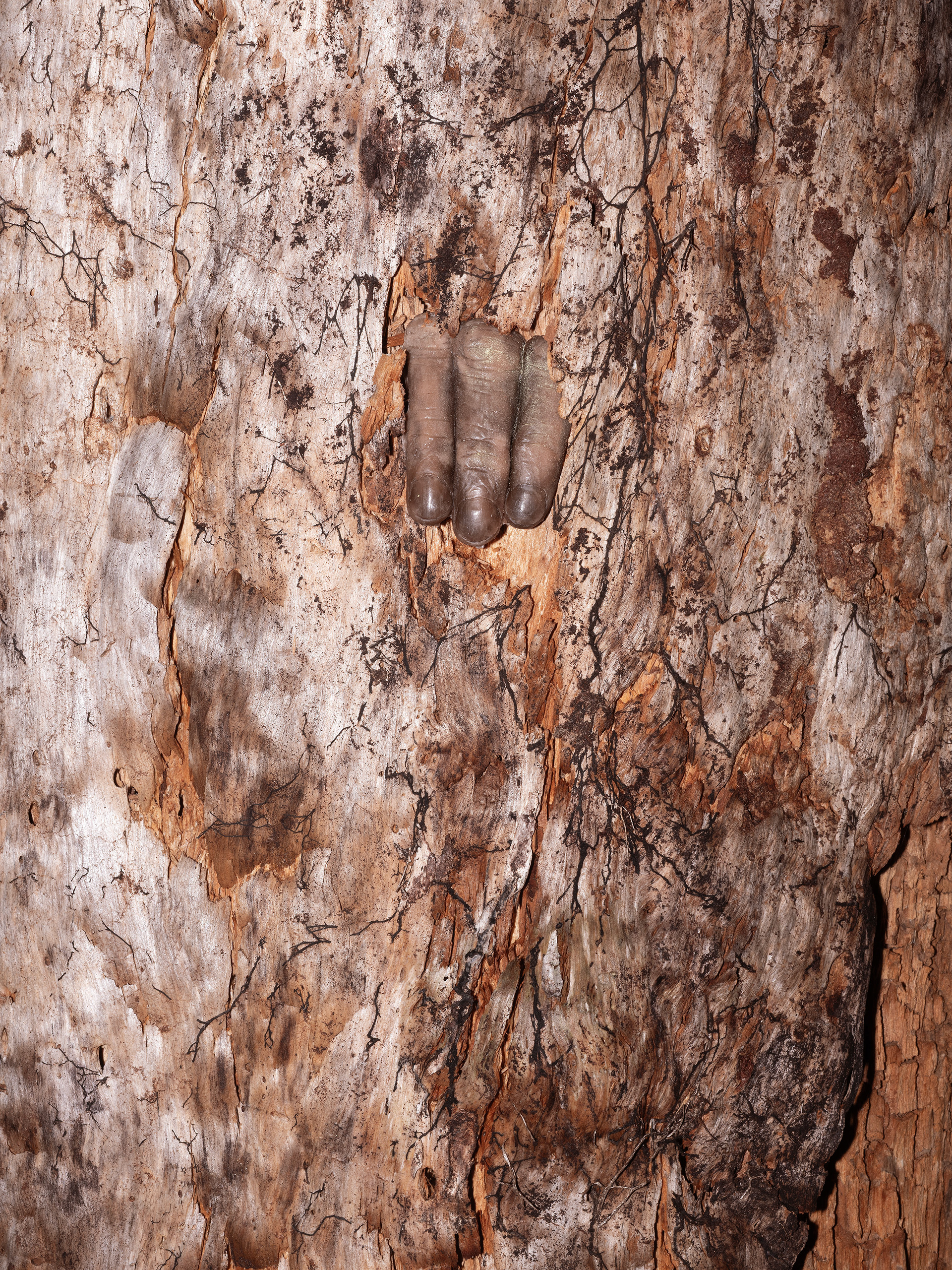
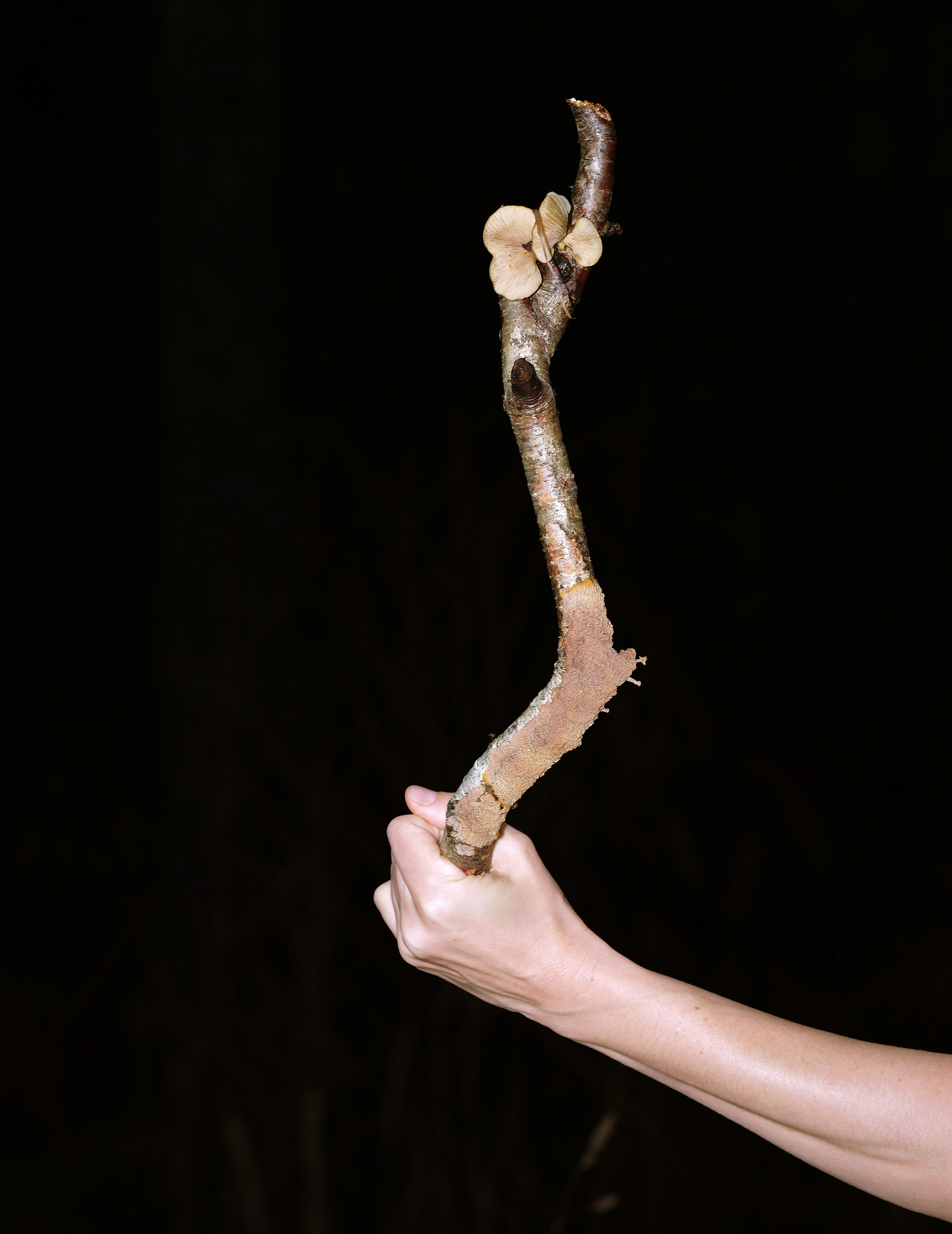
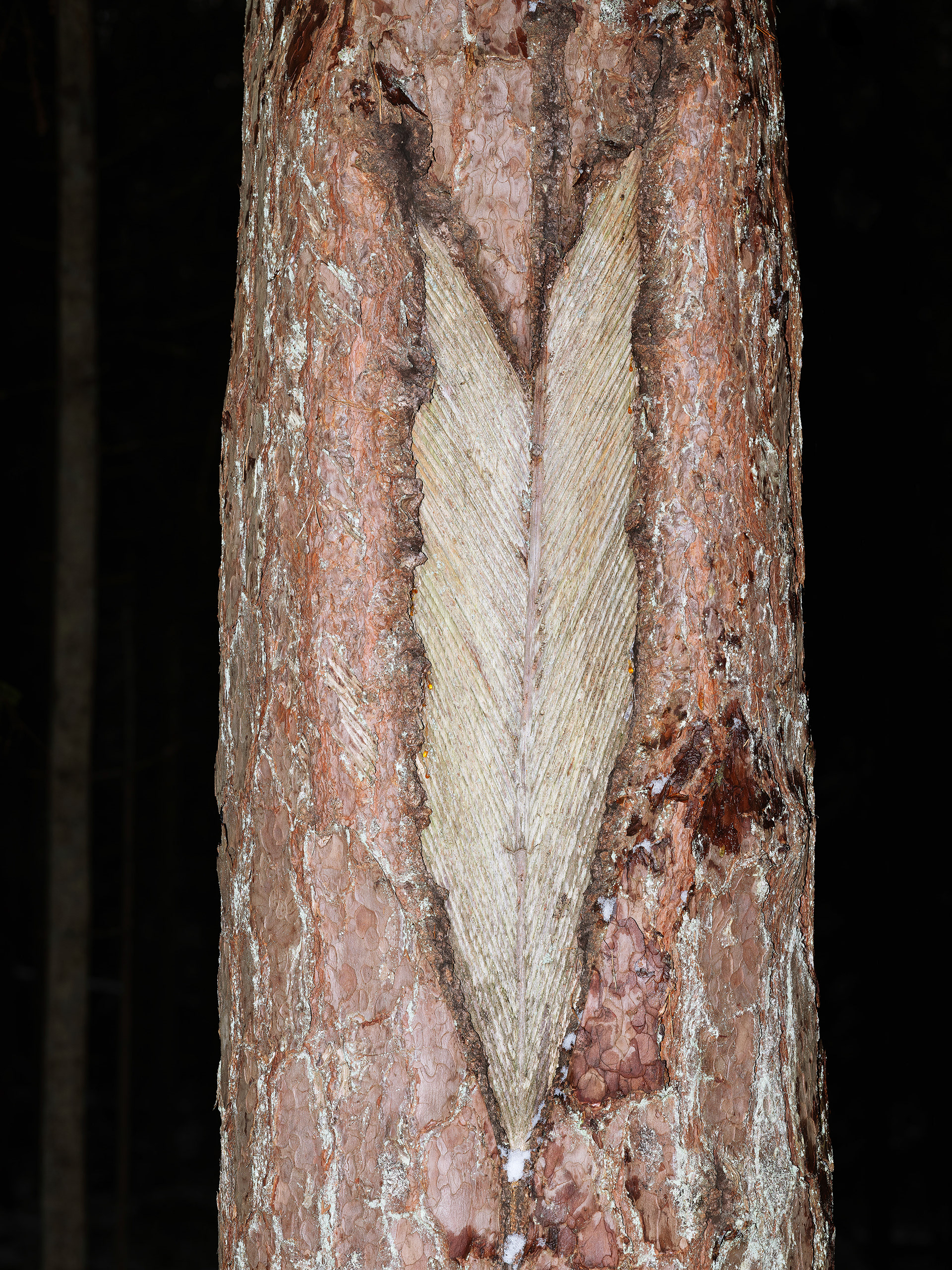
In his 1932 book Forest Evenings, forester and silviculturist Krišs Melderis writes about the forest not only as an economic, aesthetic, and ecological value, but as a living organism. In this organism, the forest edge becomes skin, and trees become cells that together form a breathing body with its own rhythms, enemies, and survival strategies. In this work, I attempt to view the forest as a living body – biological, emotional, and feminine. Like the female body, the forest has been both idealized and exploited for centuries. It has been celebrated and admired, yet historically it has also represented what lies outside the social contract – beyond reason and control – a space inhabited by the “outcasts”: witches, fugitives, the ill, and animals. Is it possible to “unlearn” the forest as a resource and instead learn to understand it as an independent, coexisting entity. How can the female body serve as a metaphor for this space, linking the violence materialized through women’s bodies with the destruction of old forests? In the context of the ecological crisis, I invite viewers to imagine a different model of relationship with the forest . I call for a return to the worldview found in folklore: there the forest appears as an ordering and protective force, pointing to relationships between human and more-than-human worlds and their boundaries.