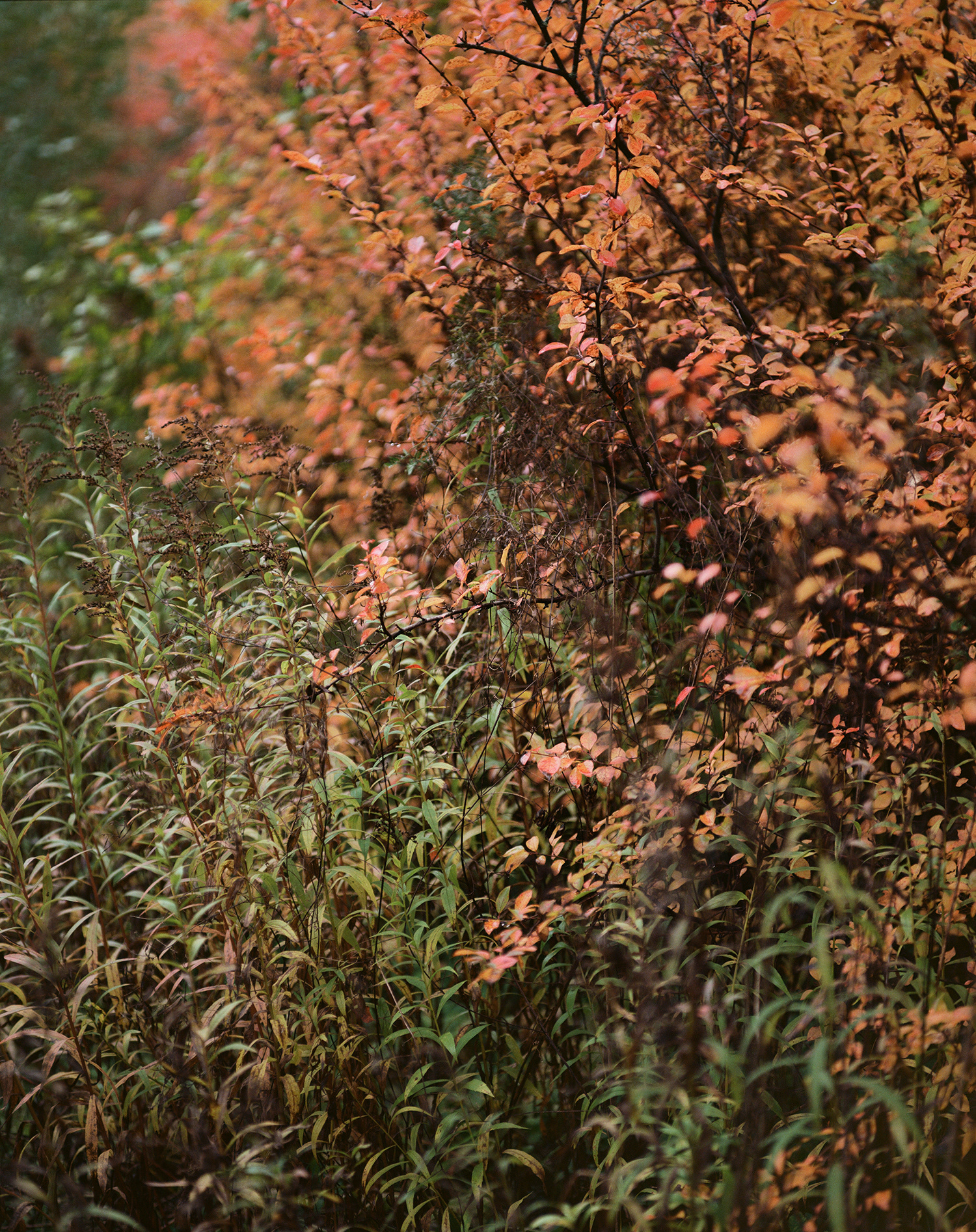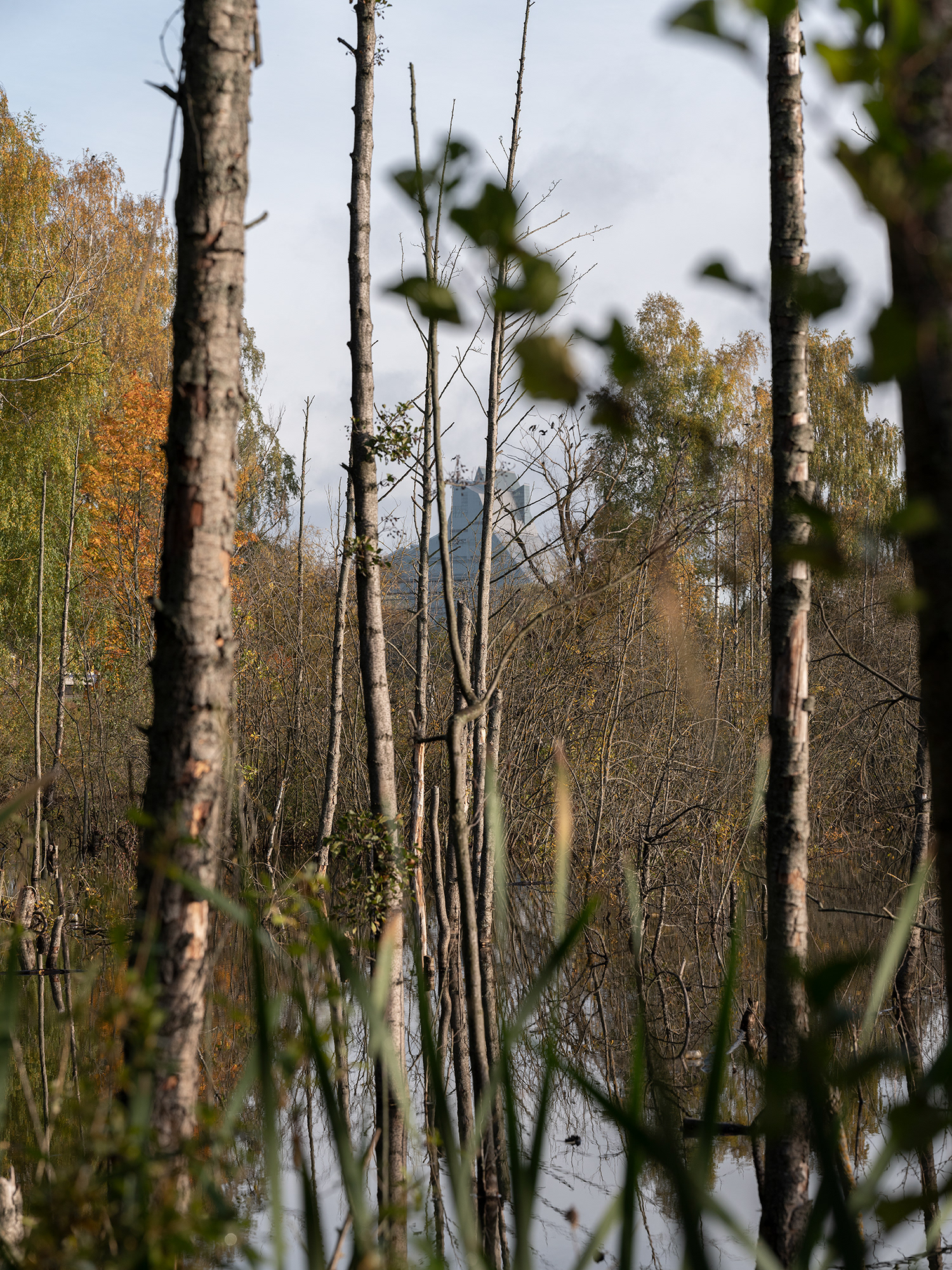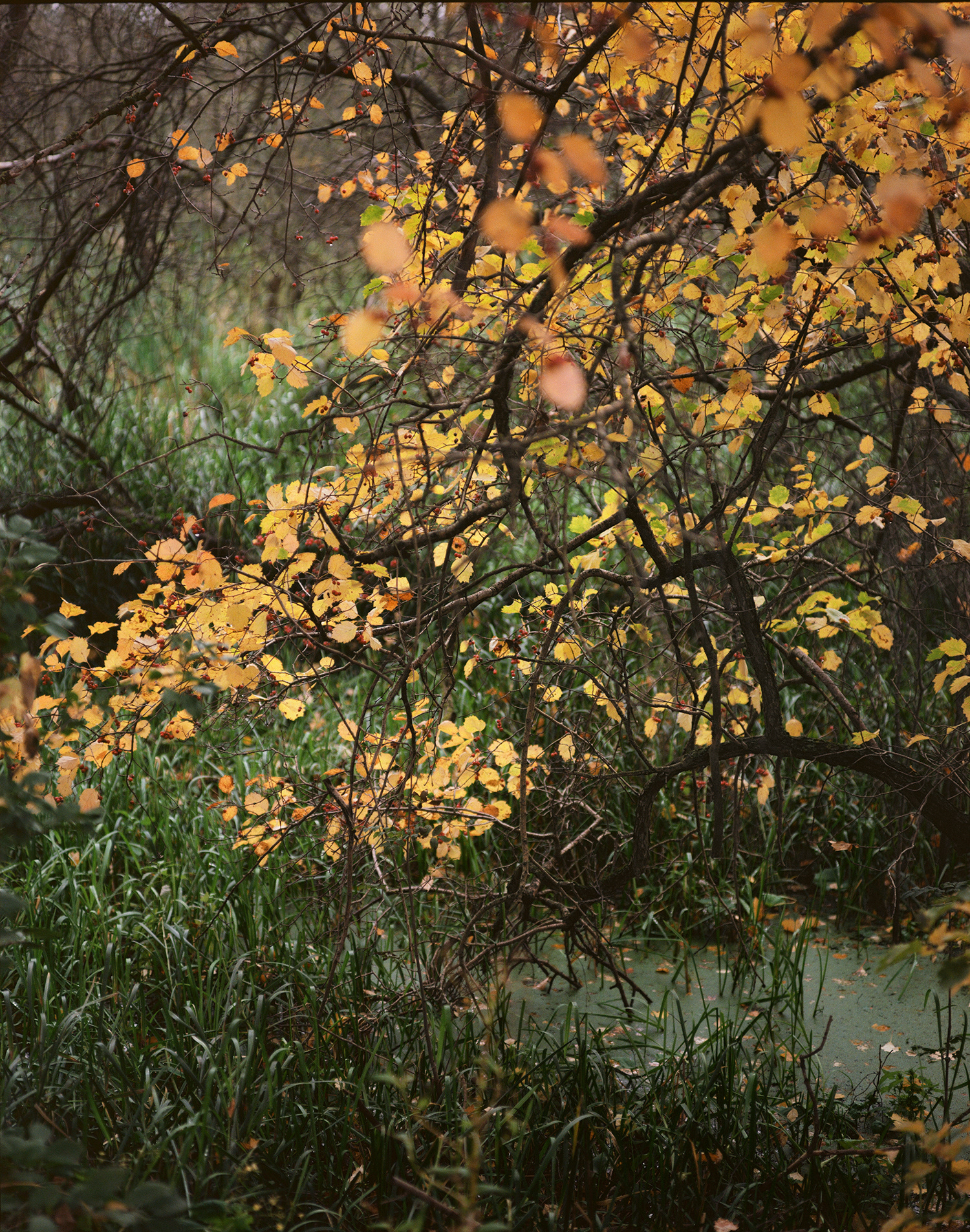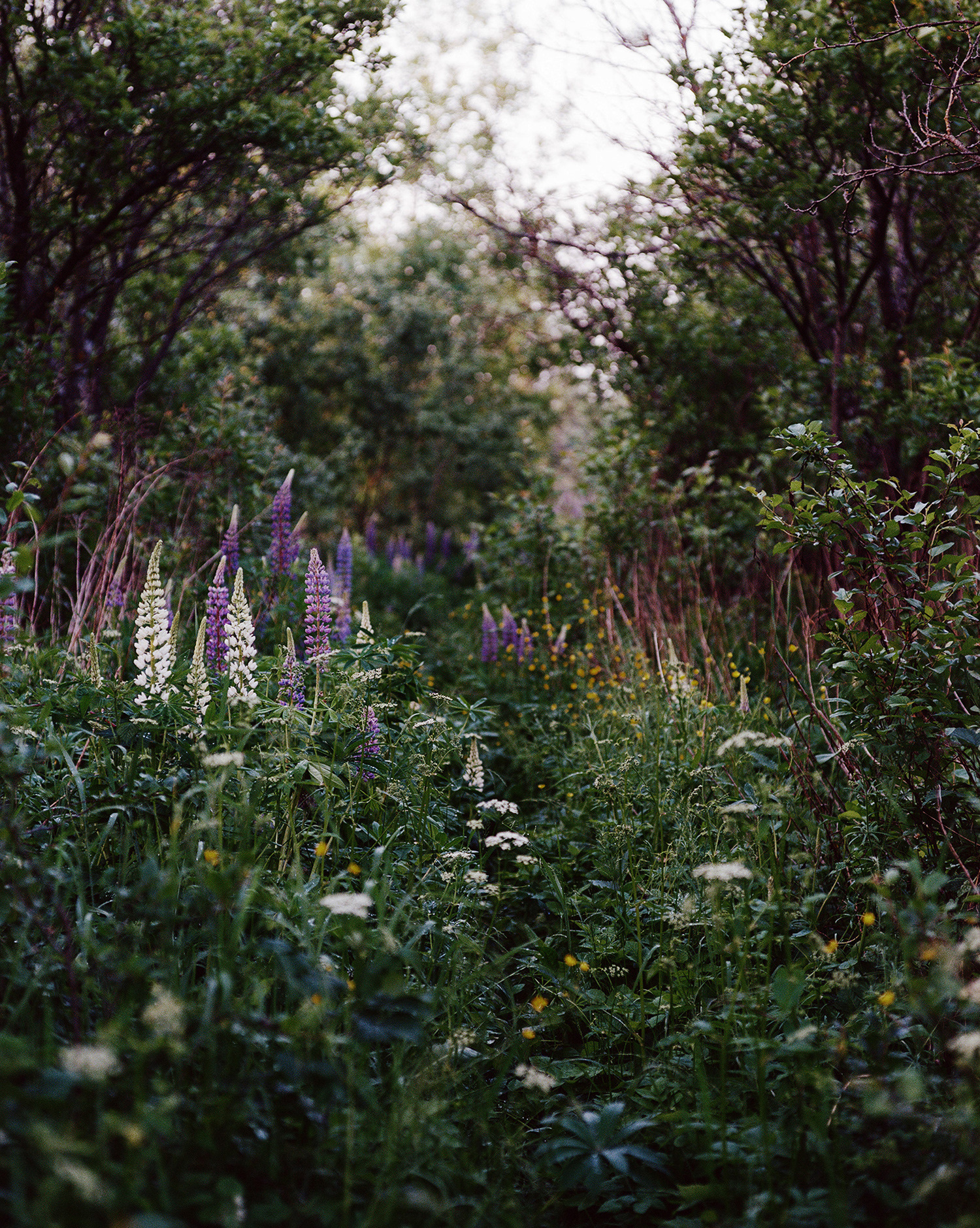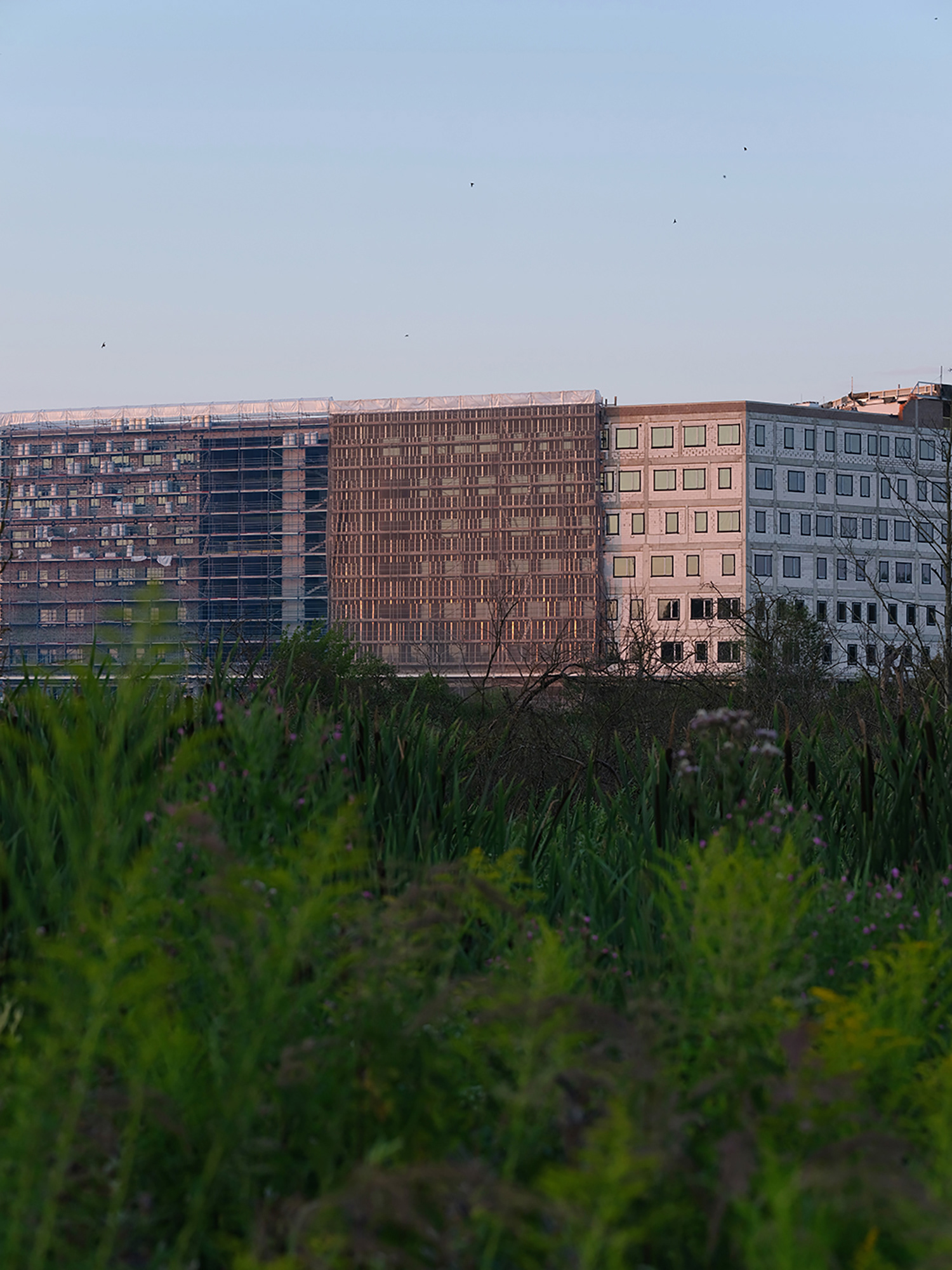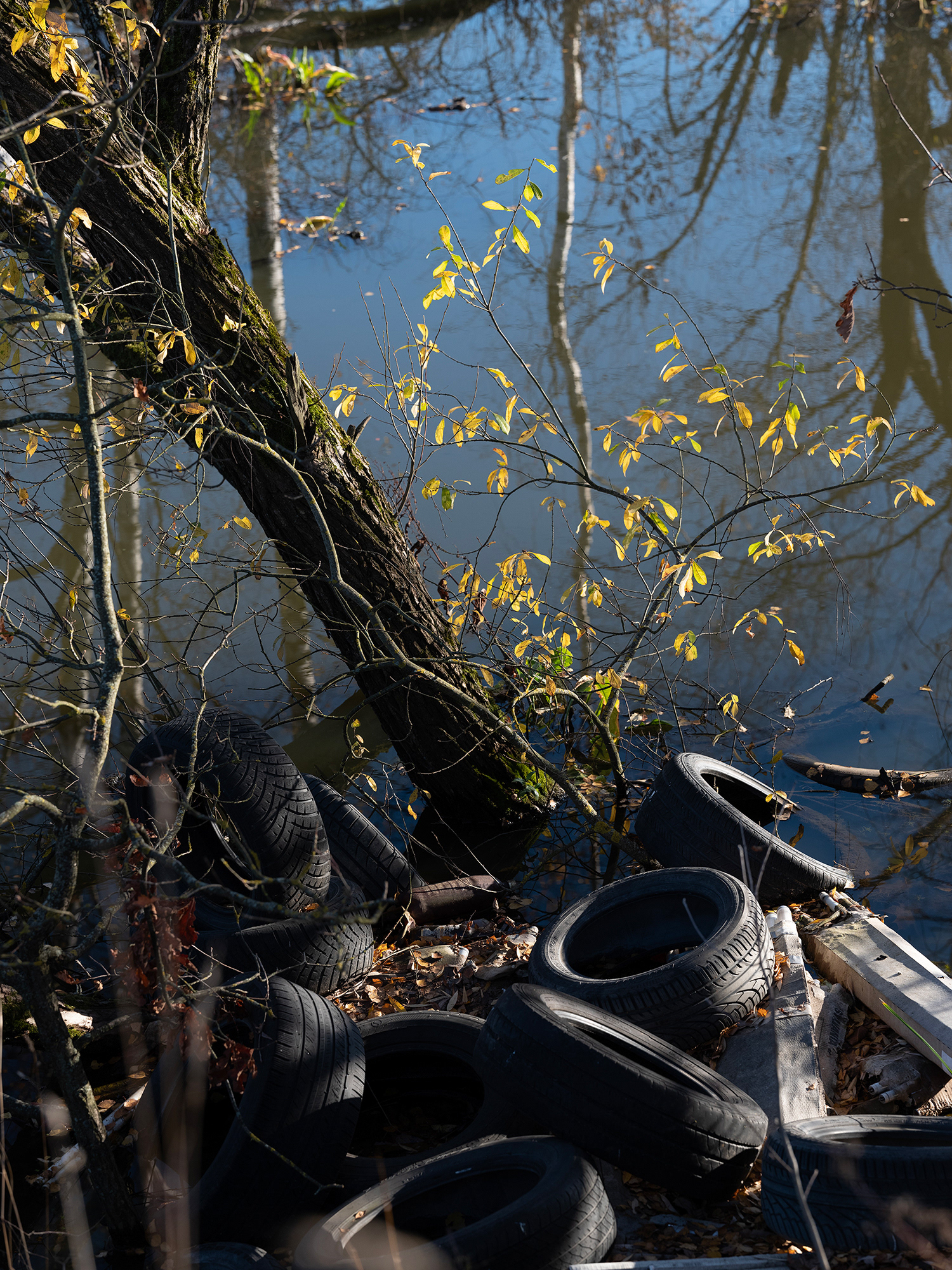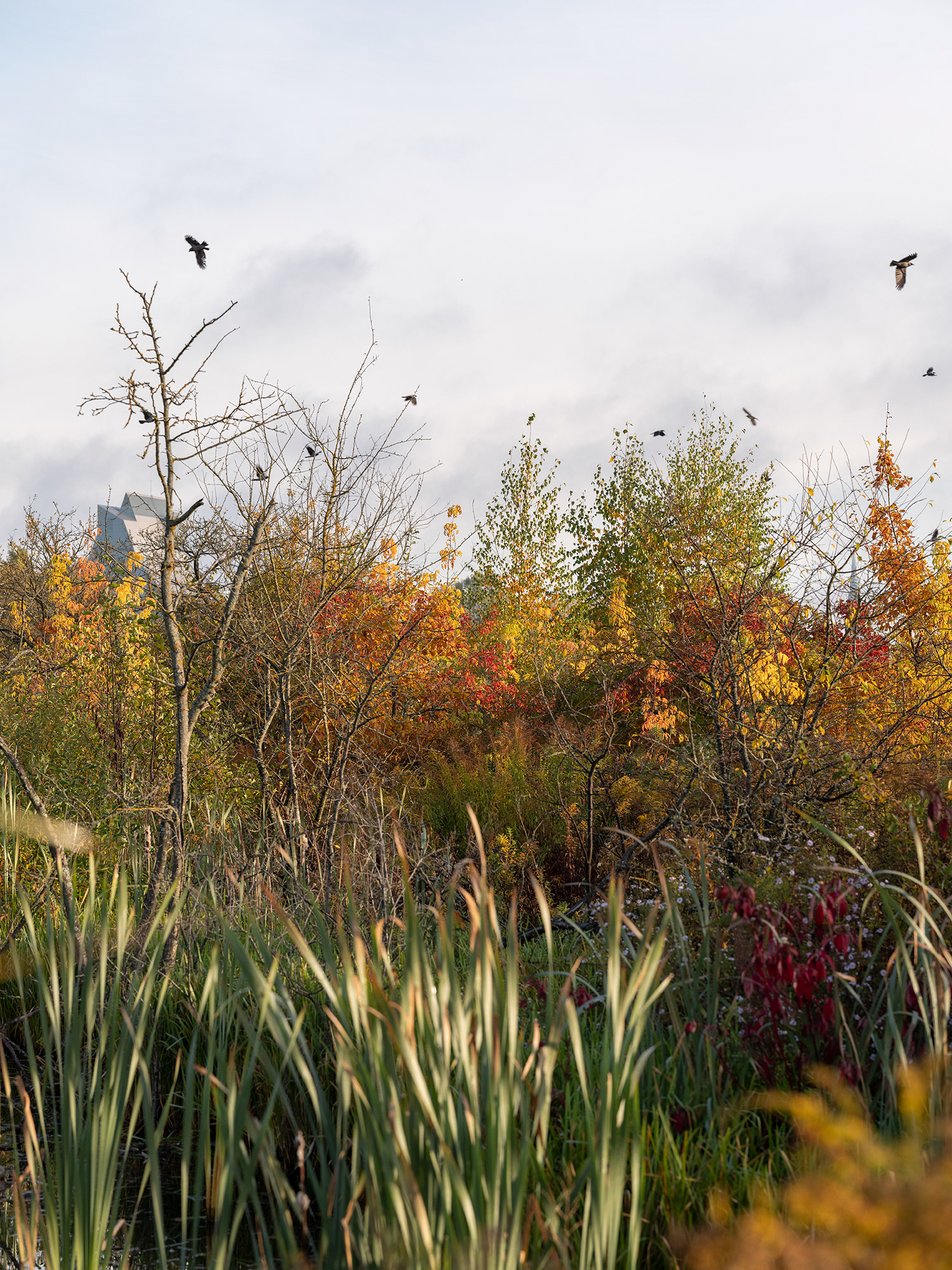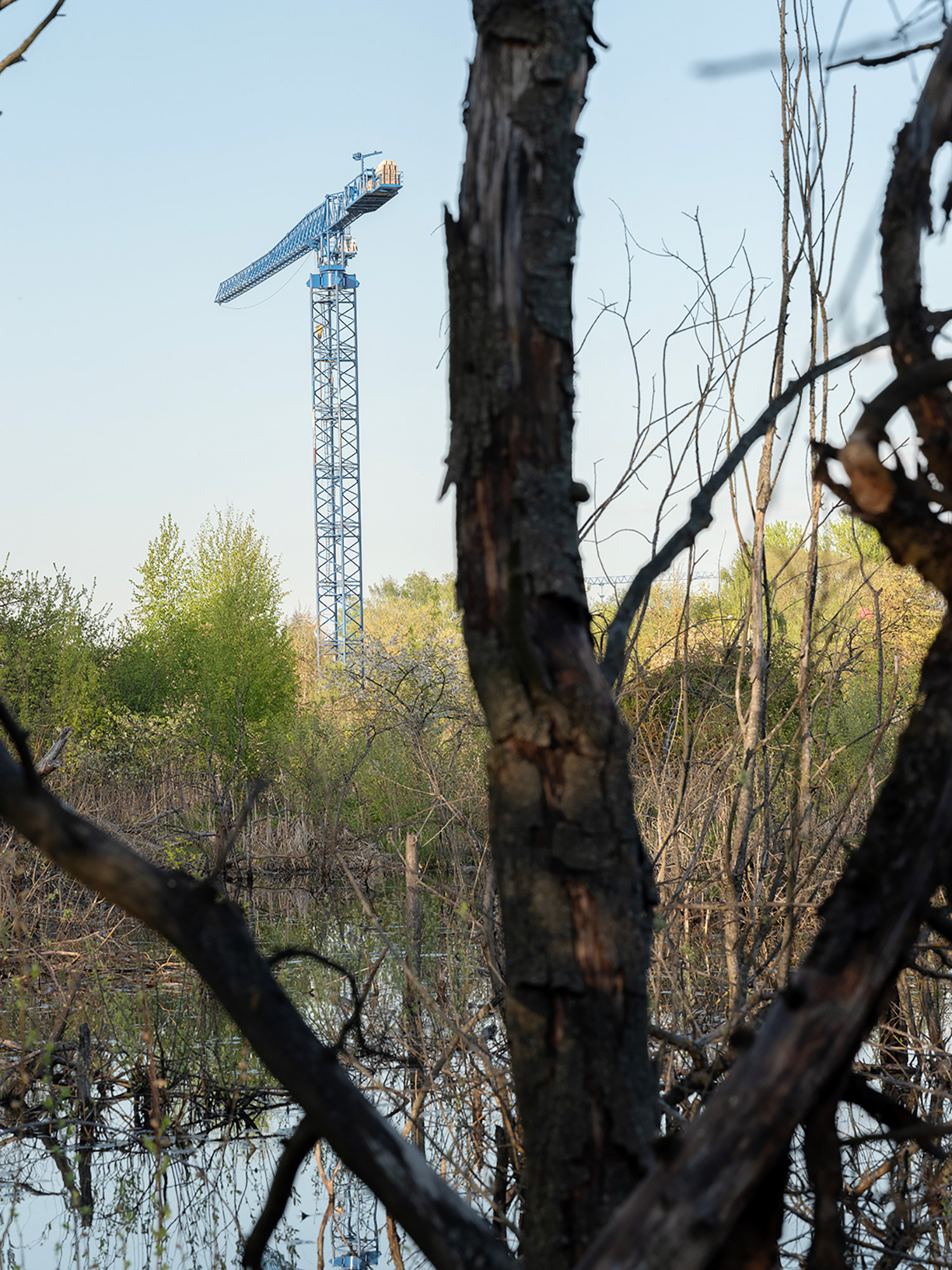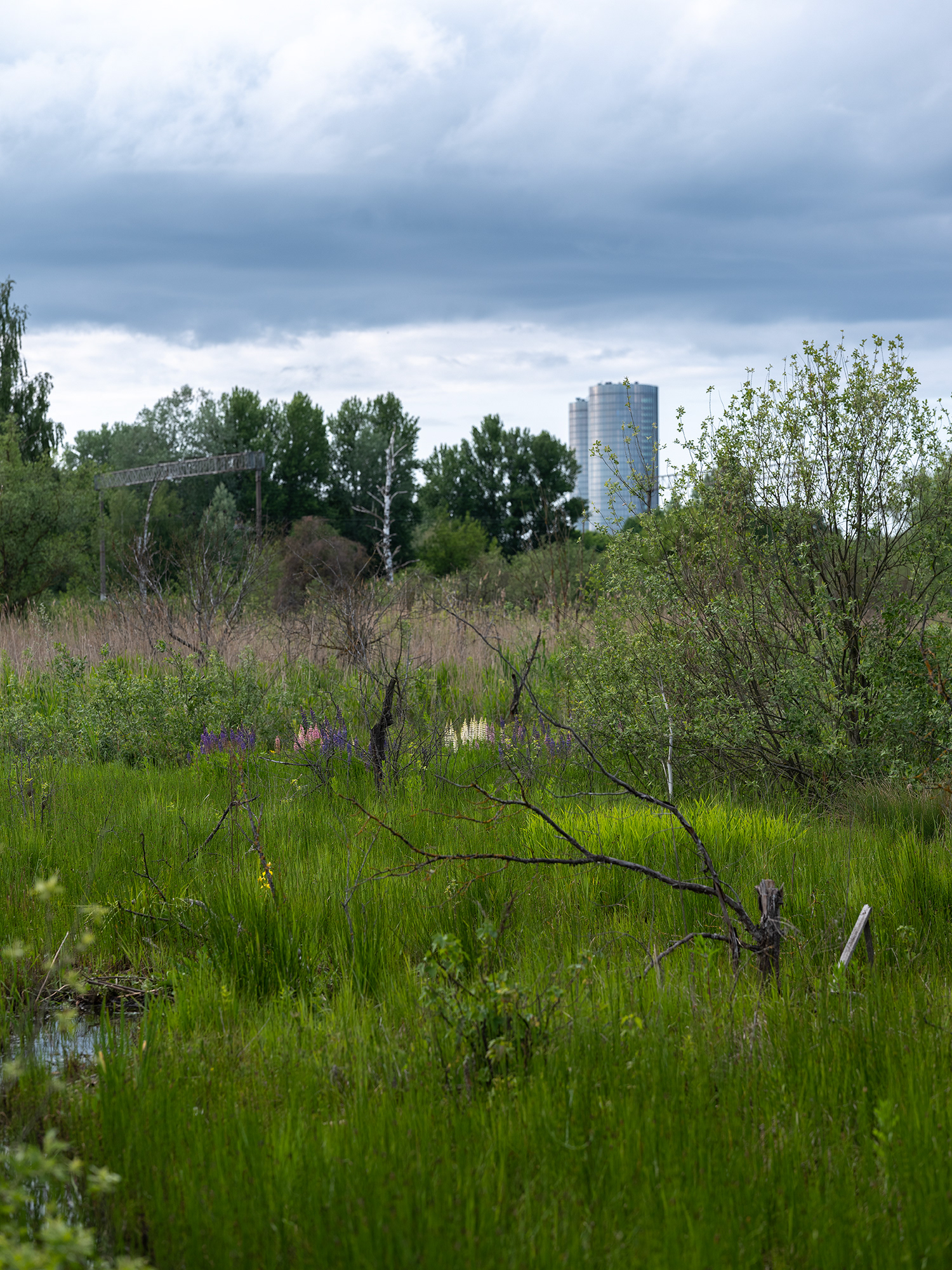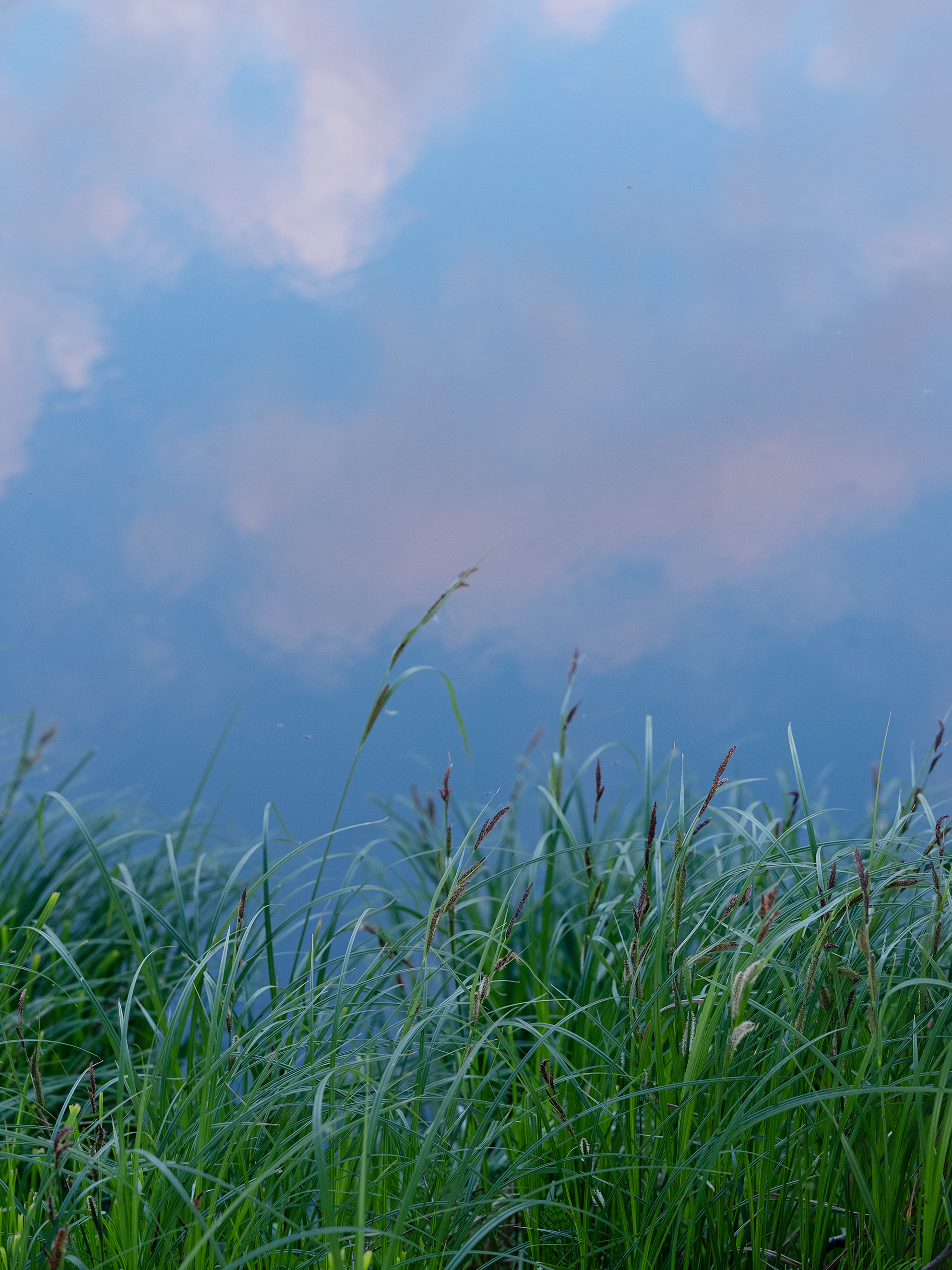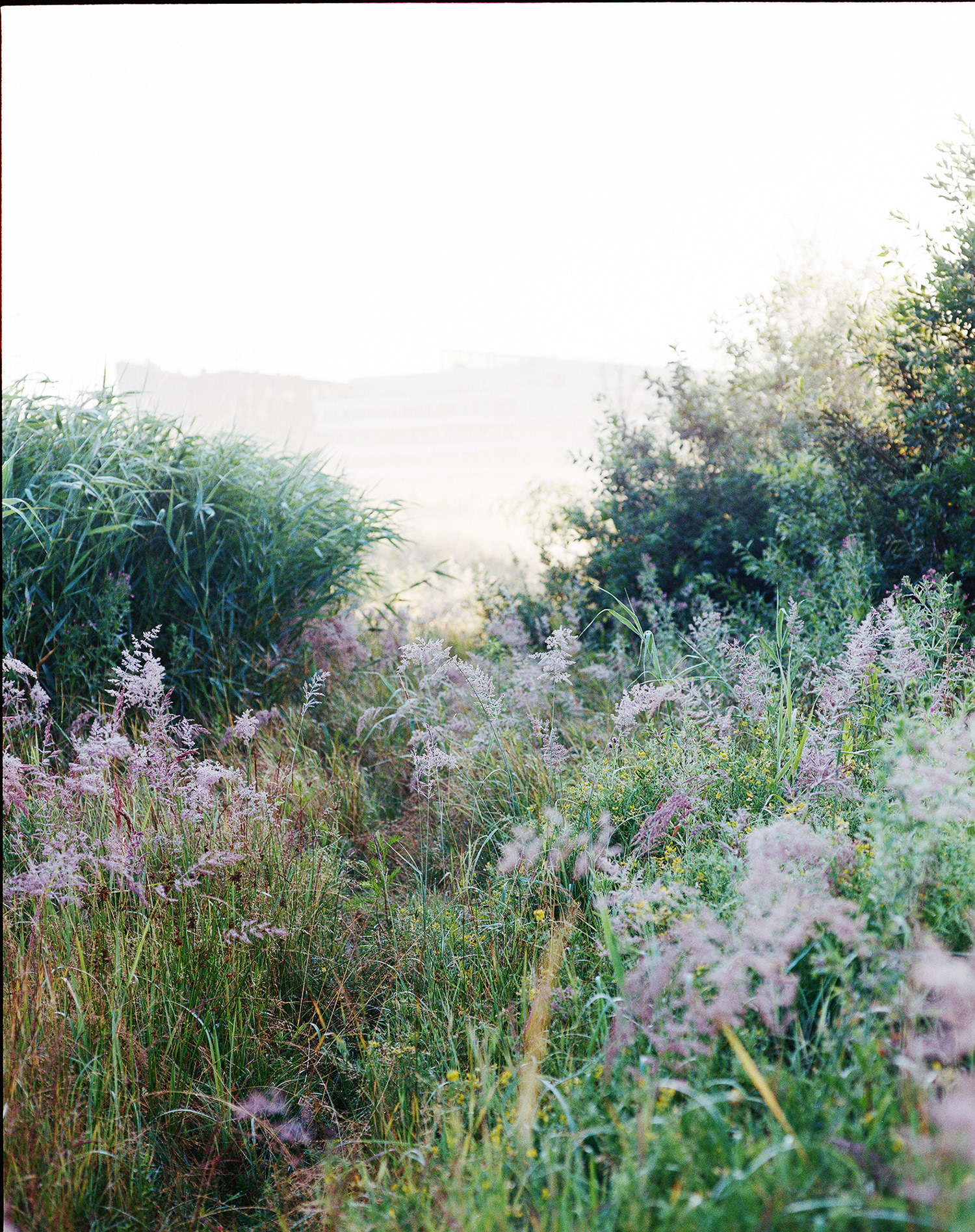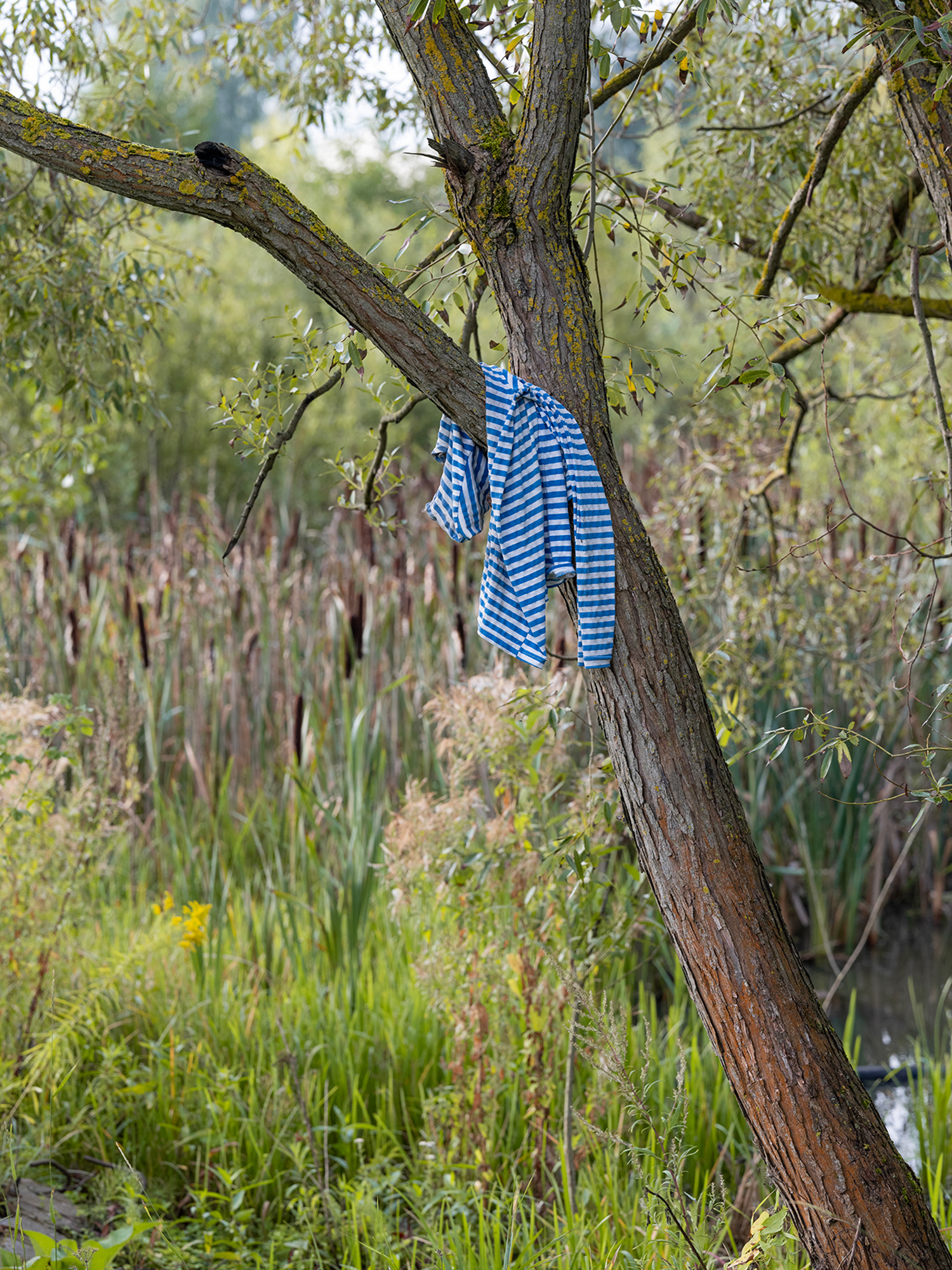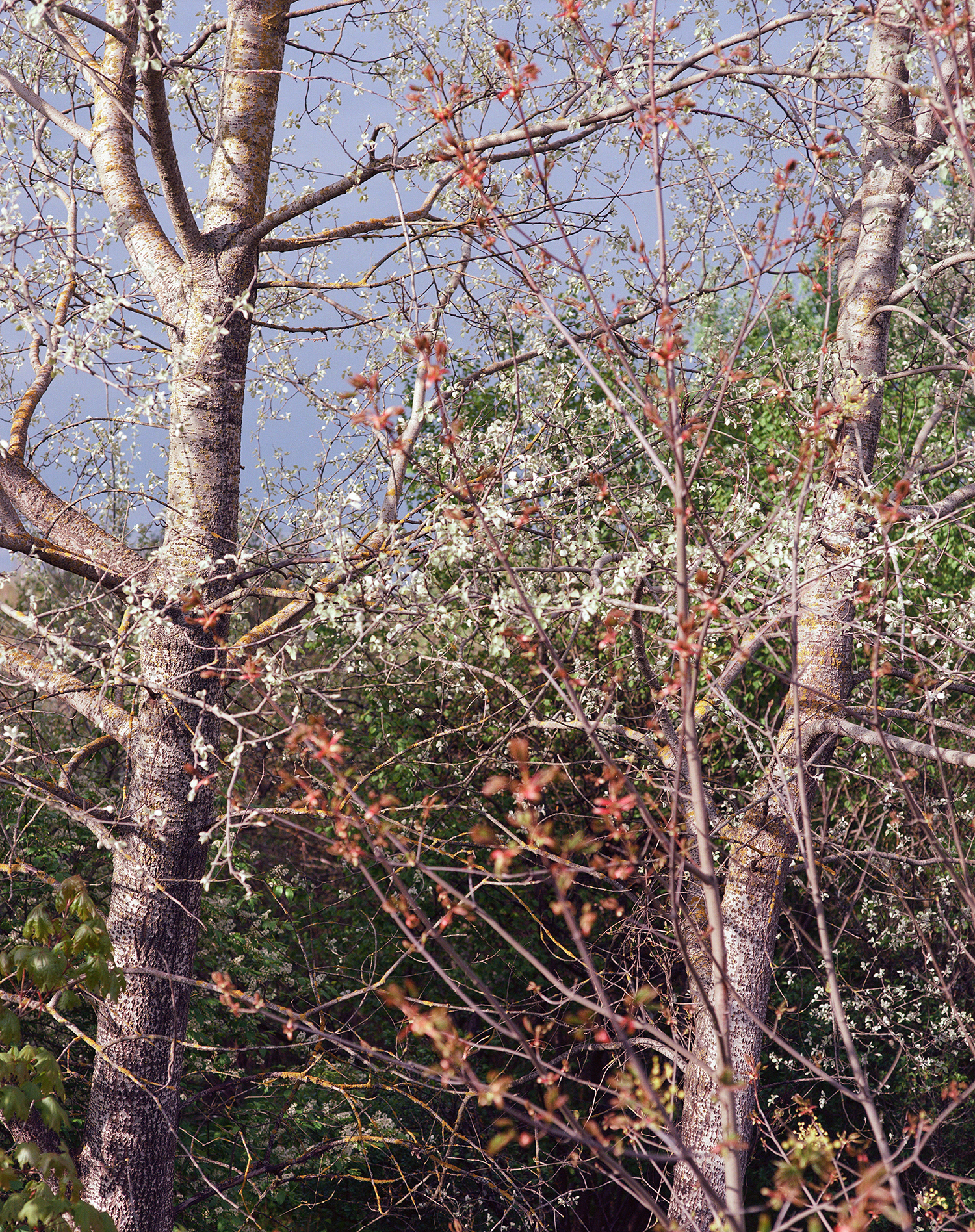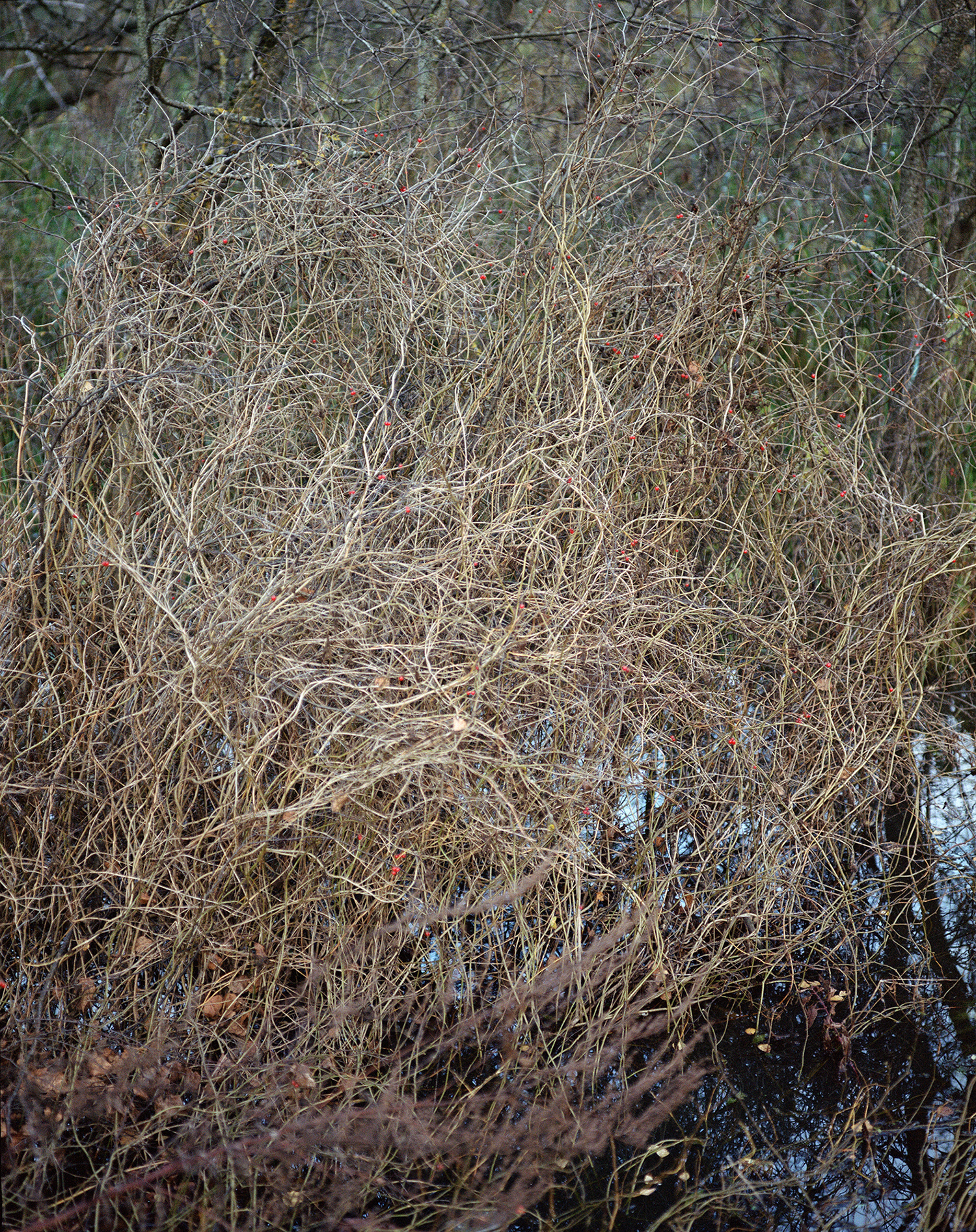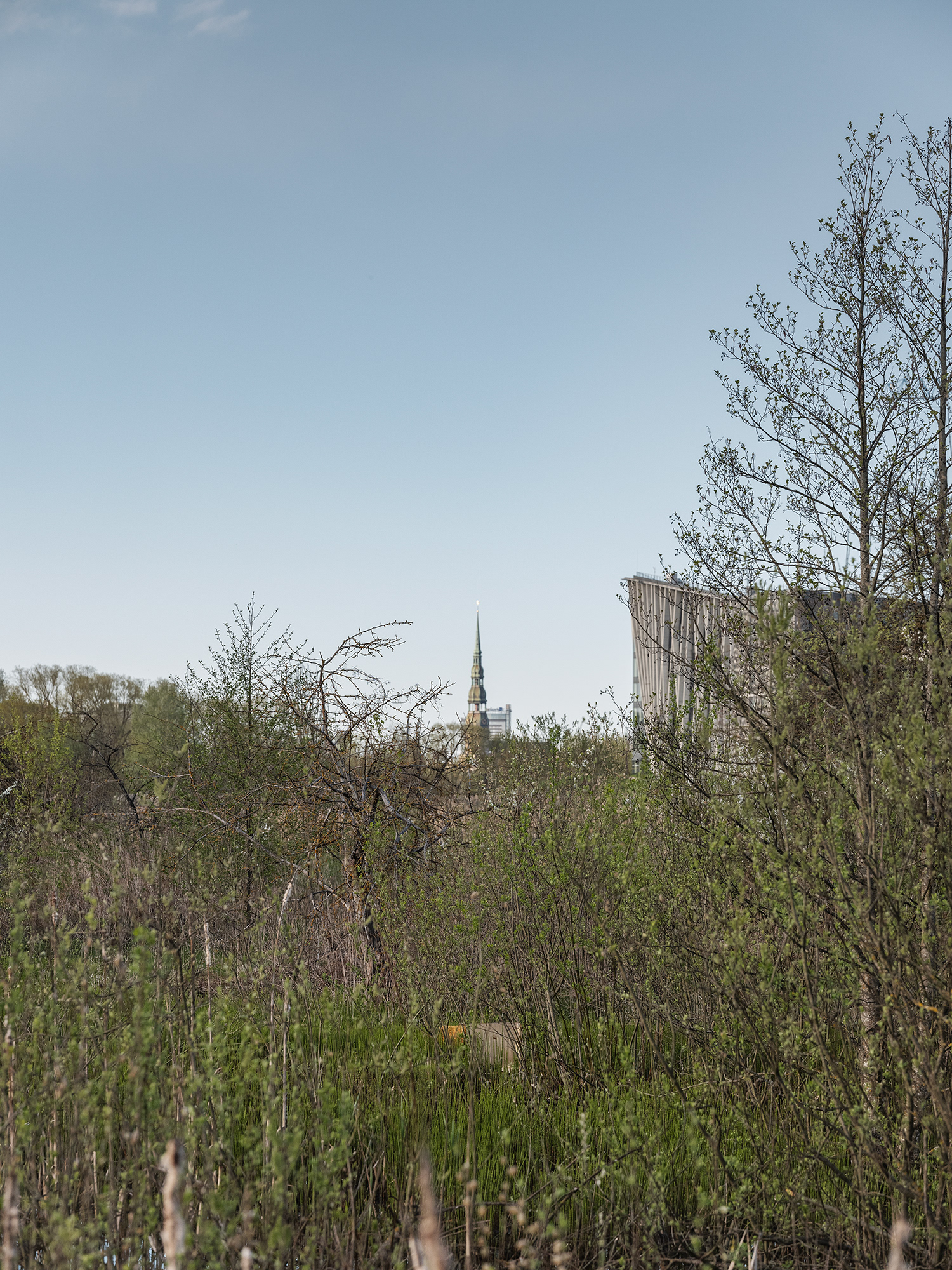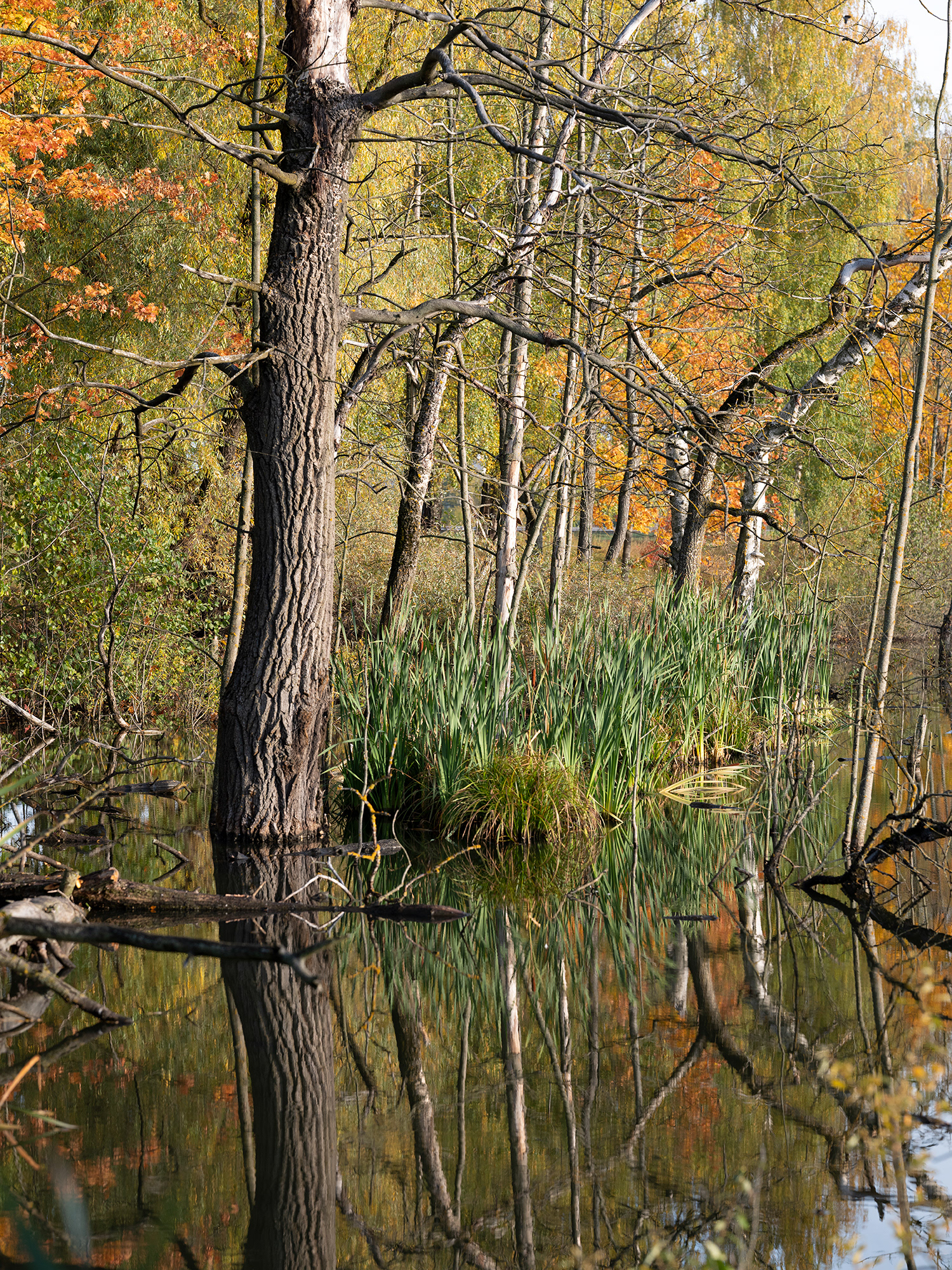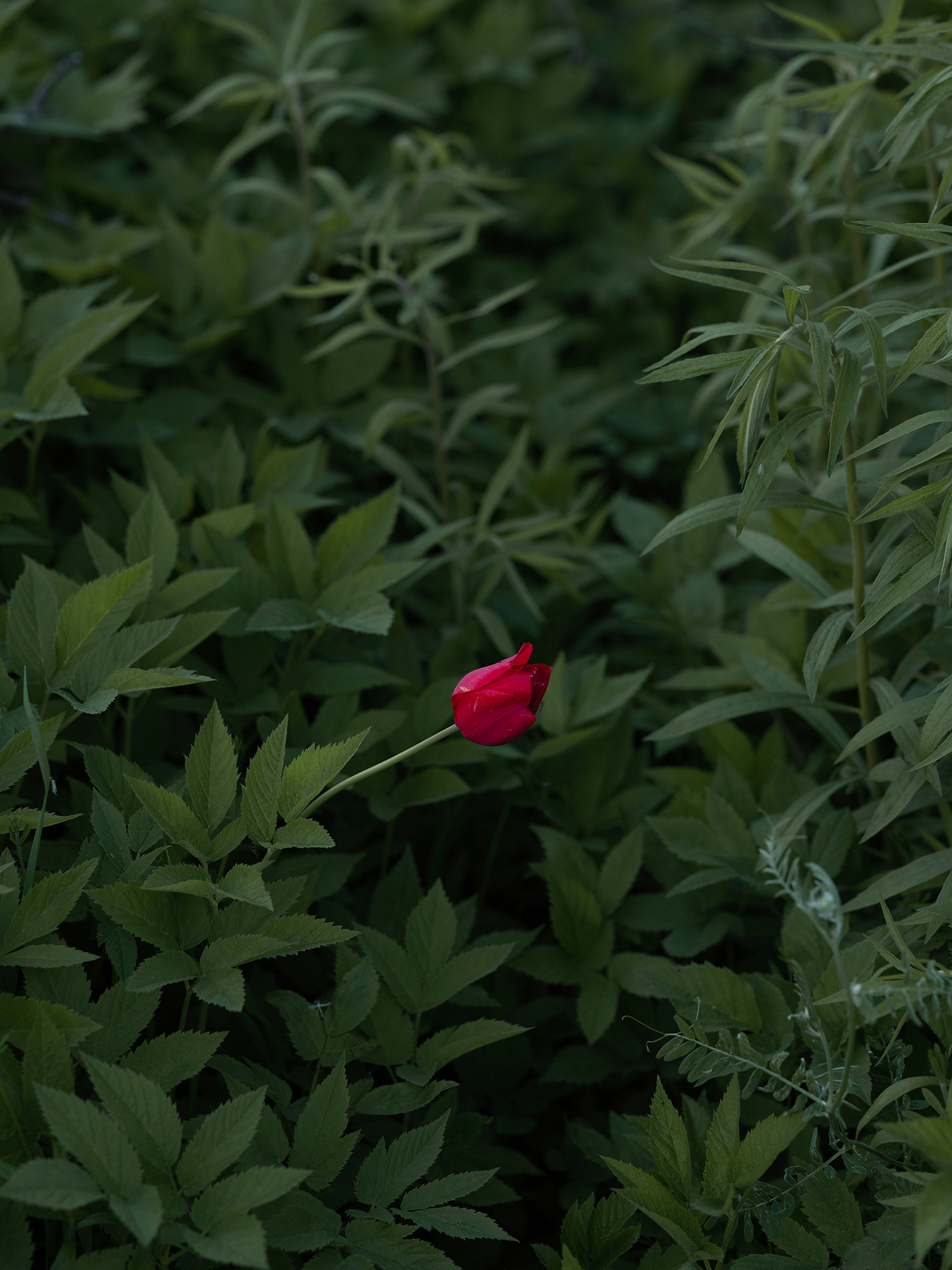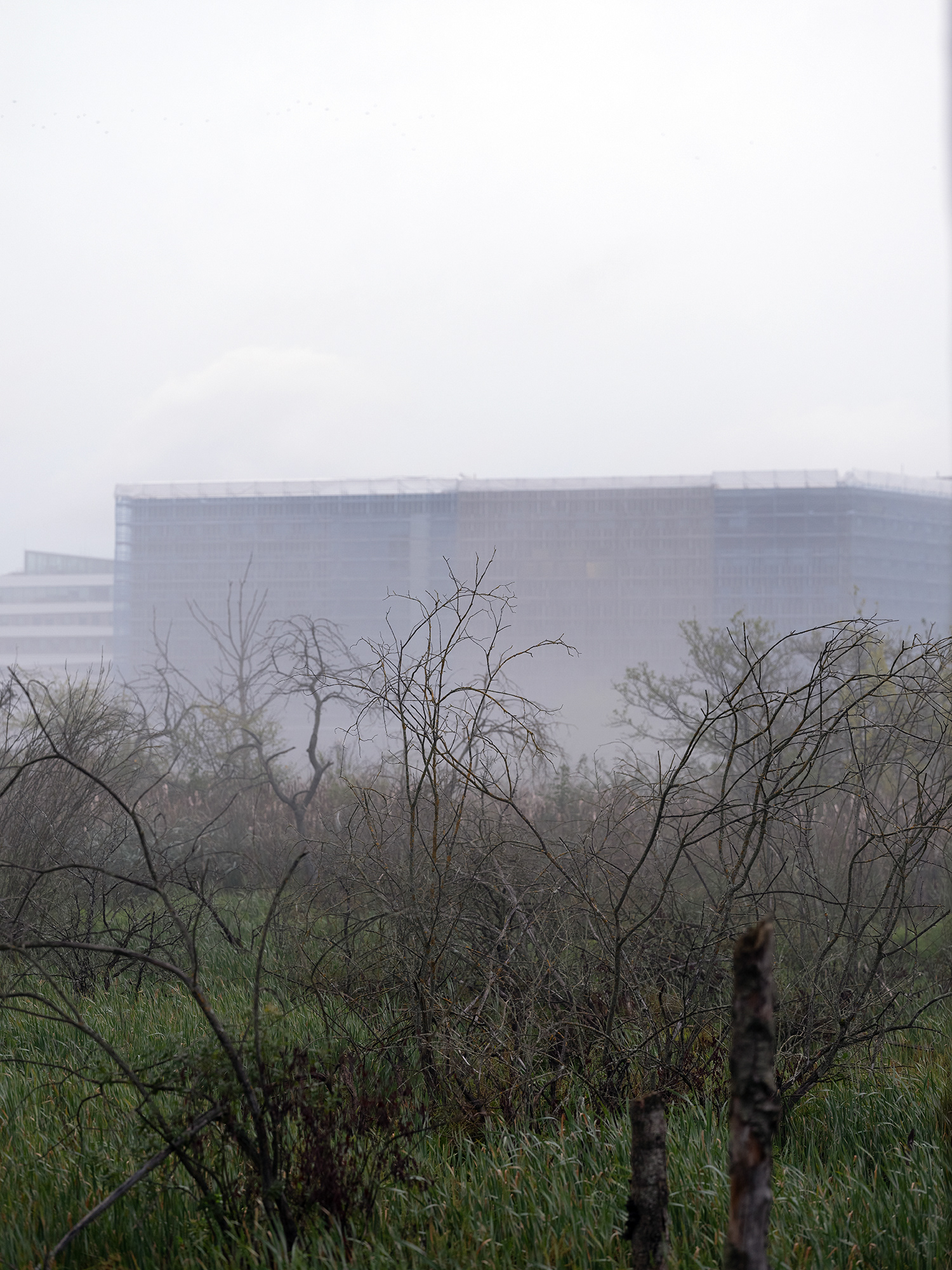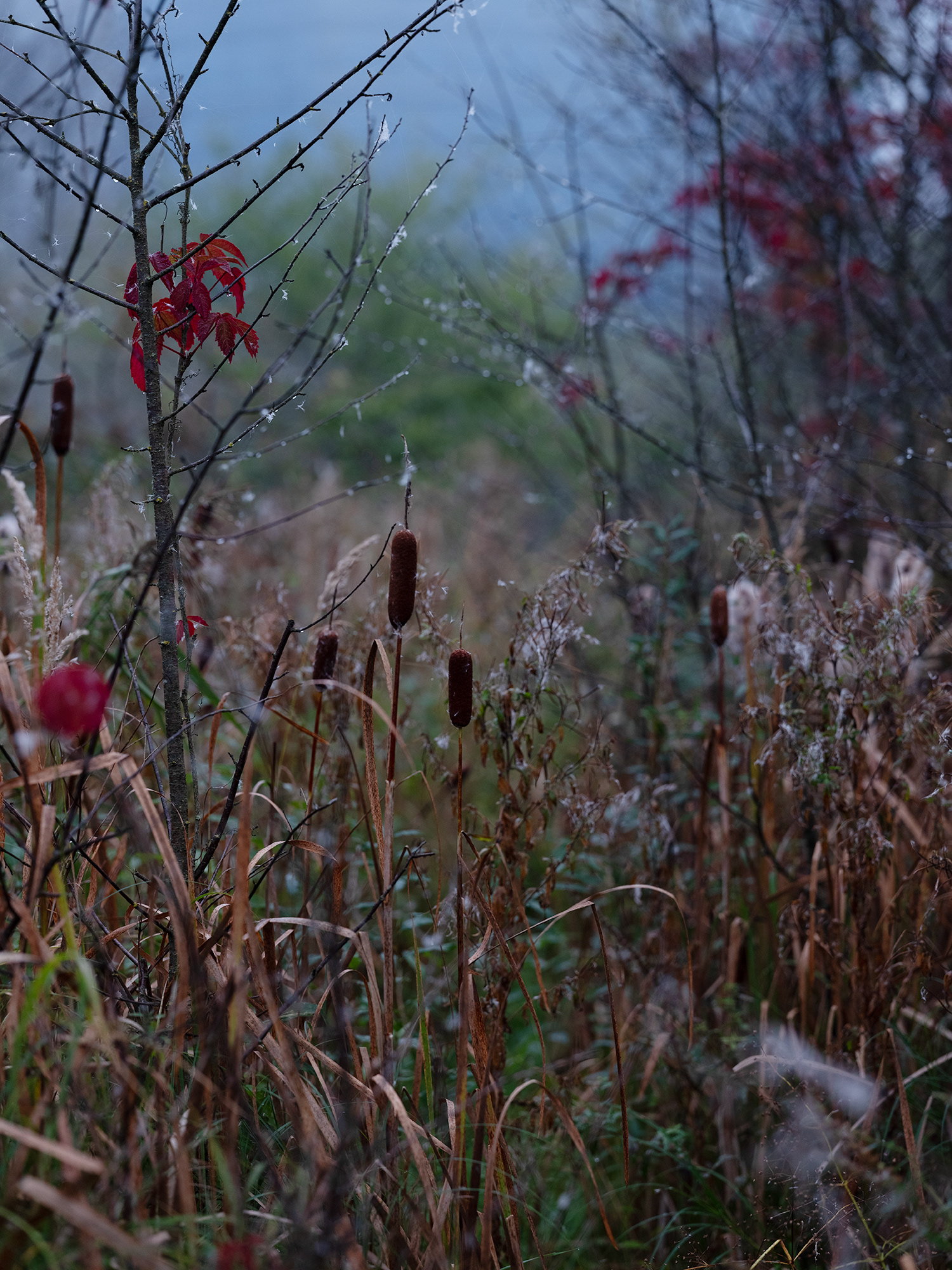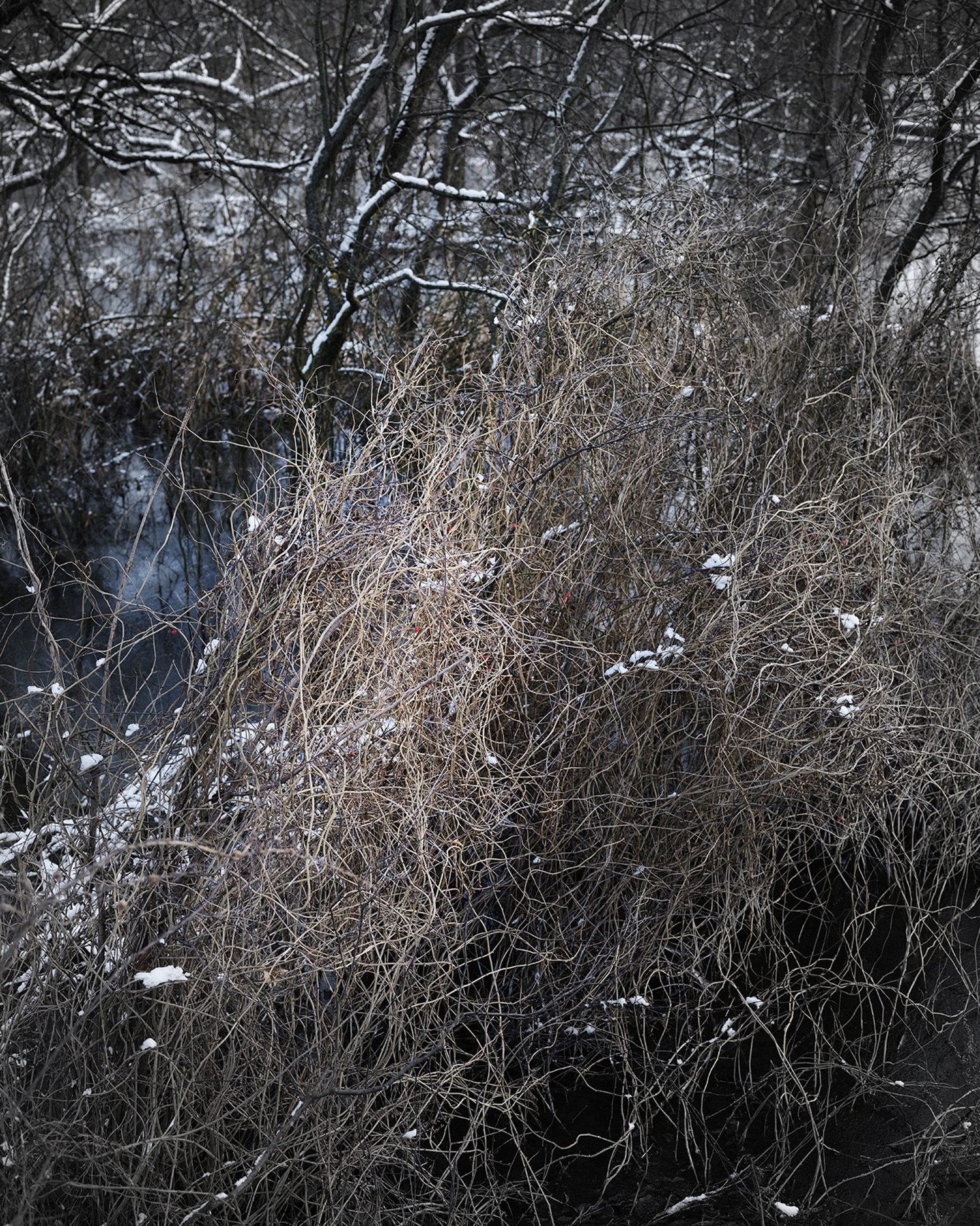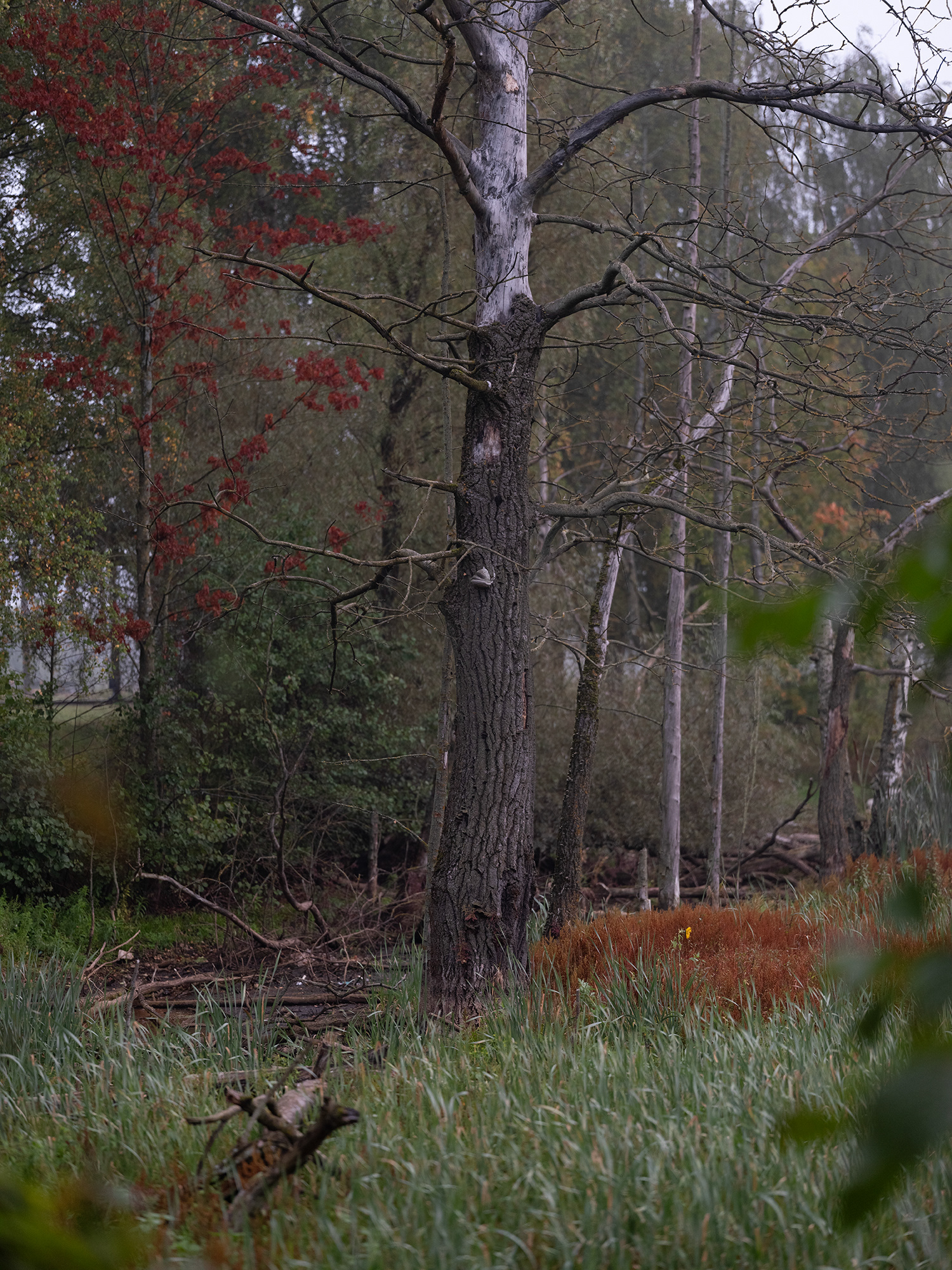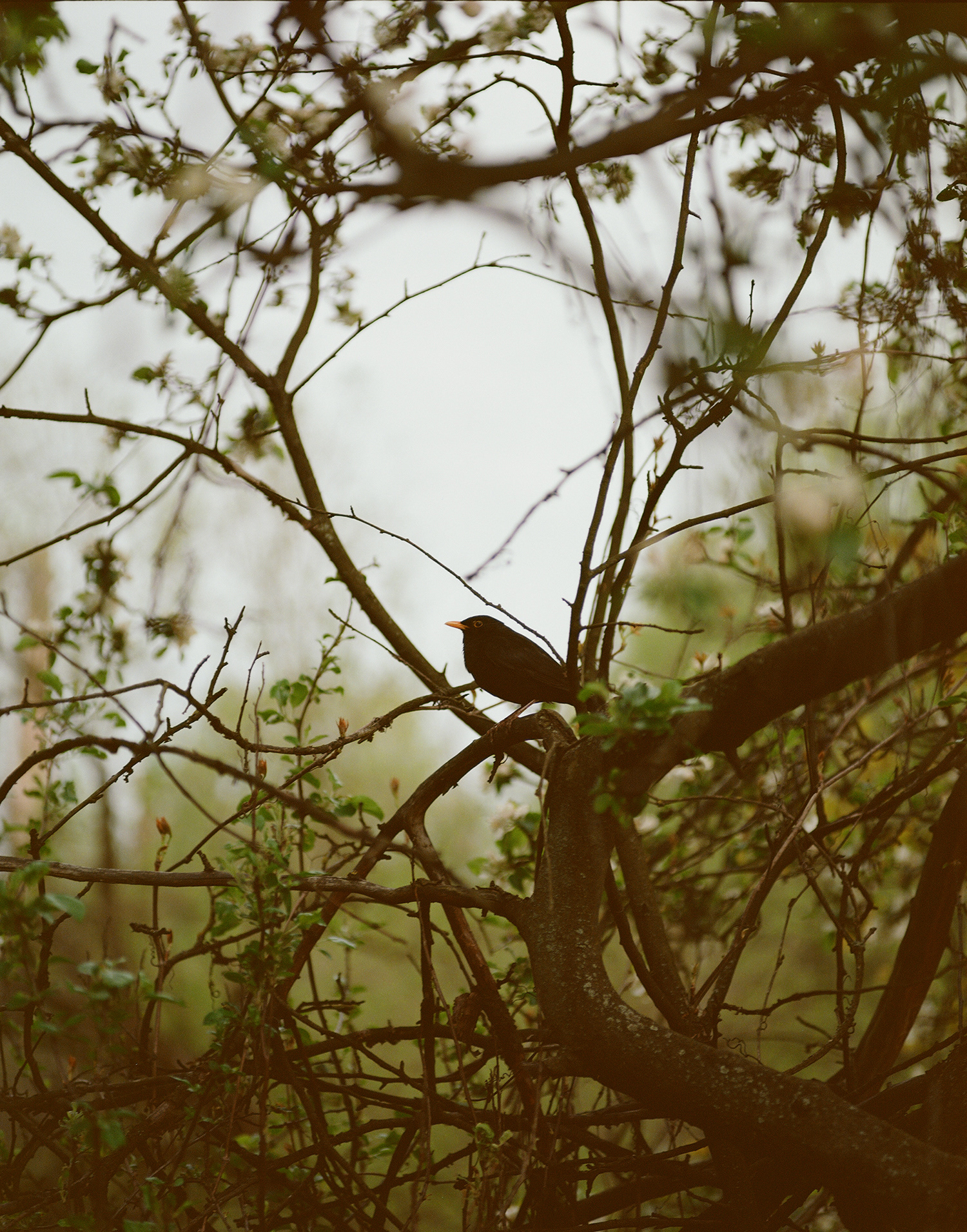
It began during the pandemic. At least once a week, I would return to a forgotten place in Torņakalns. Today, the site has been cleared for the construction of the new campus of the University of Latvia, but some twenty years ago it was a patchwork of allotment gardens.
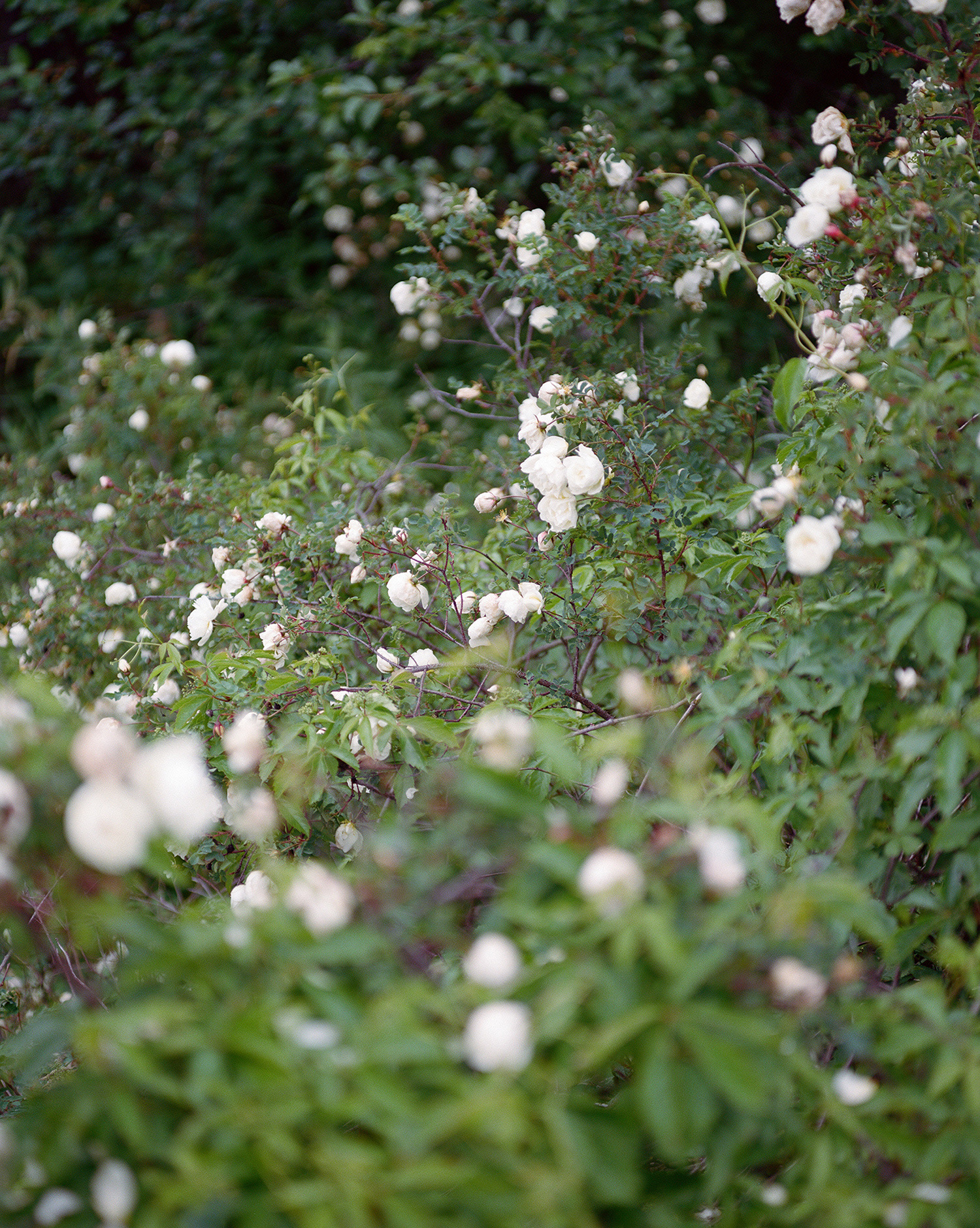
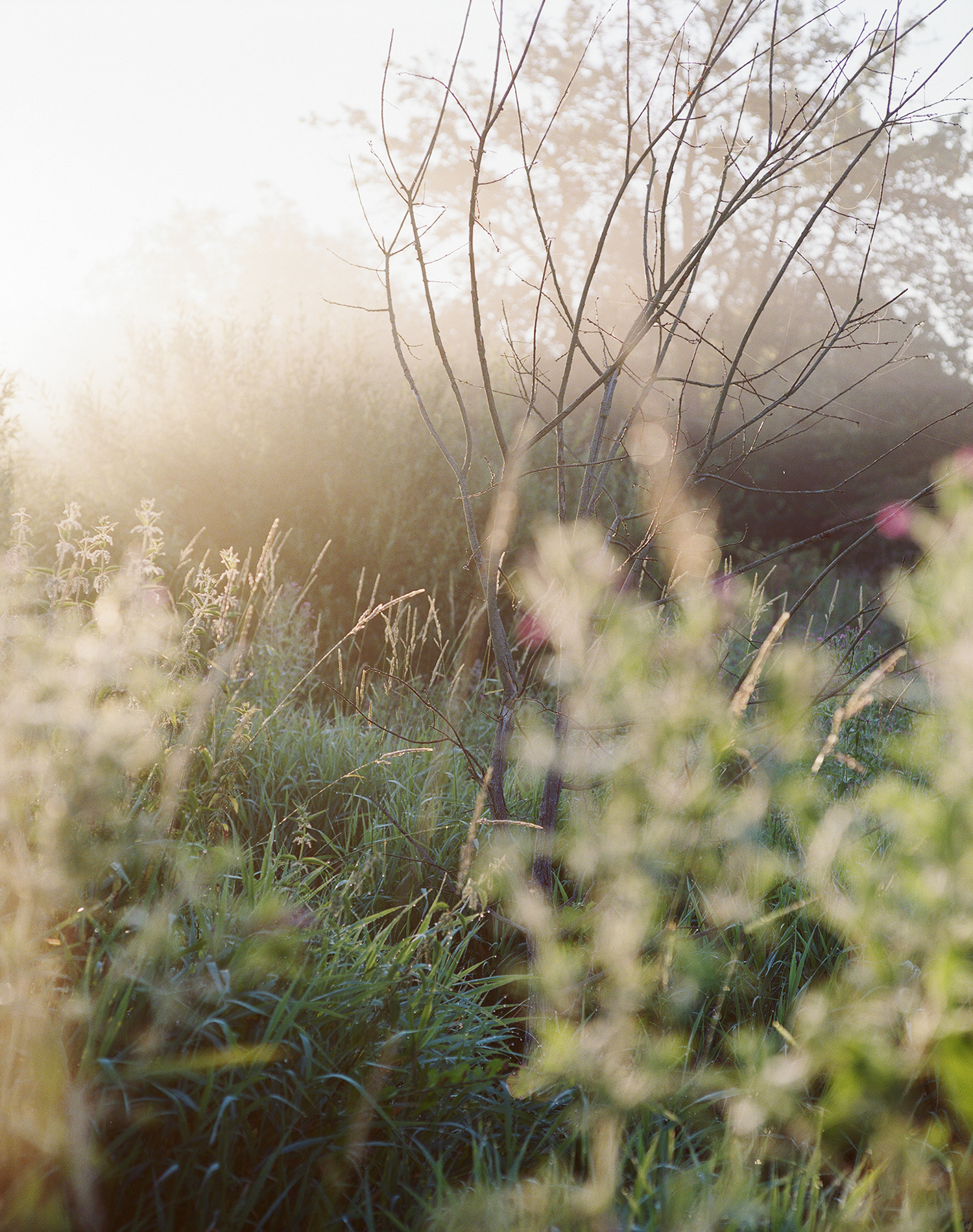
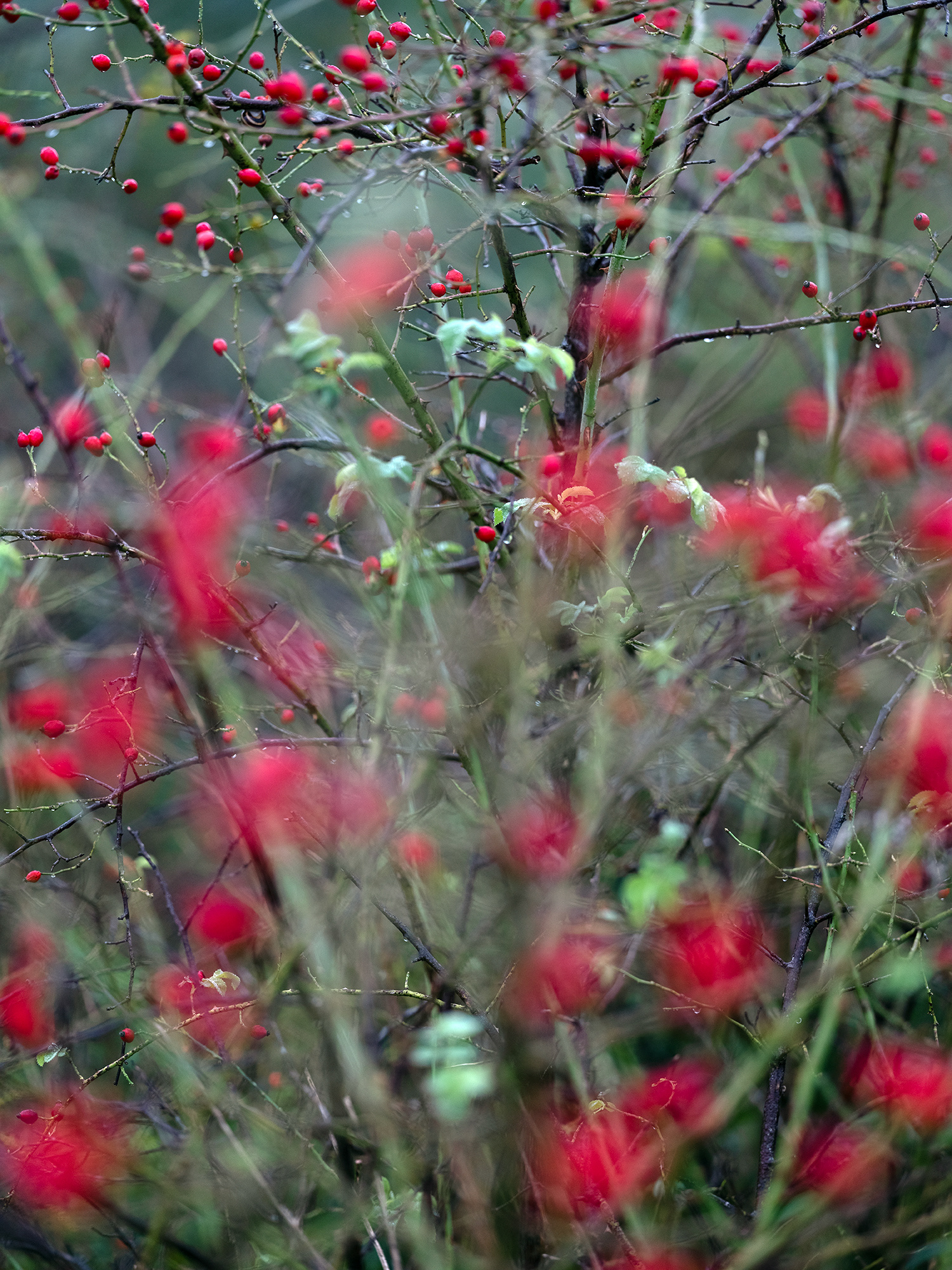
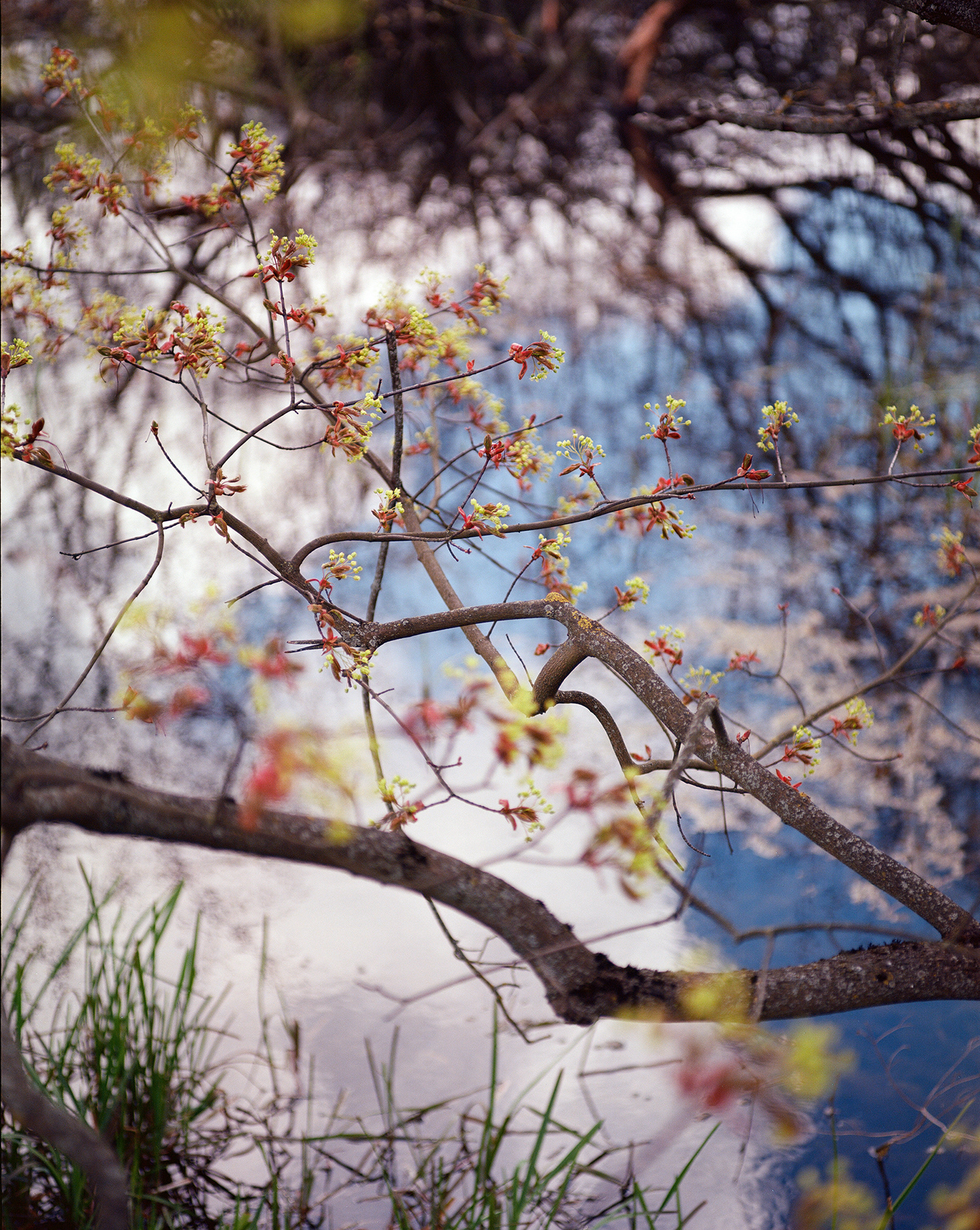
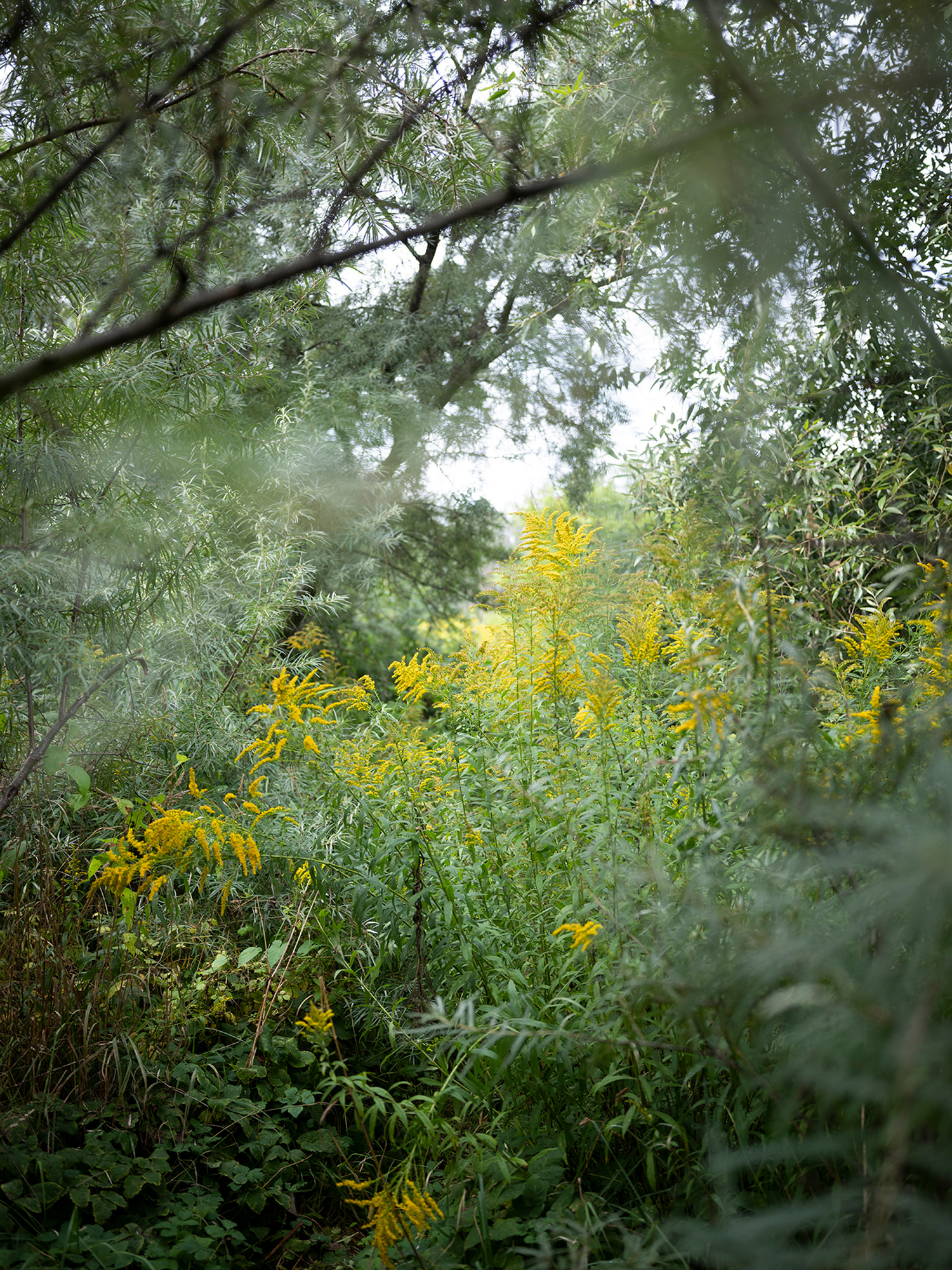
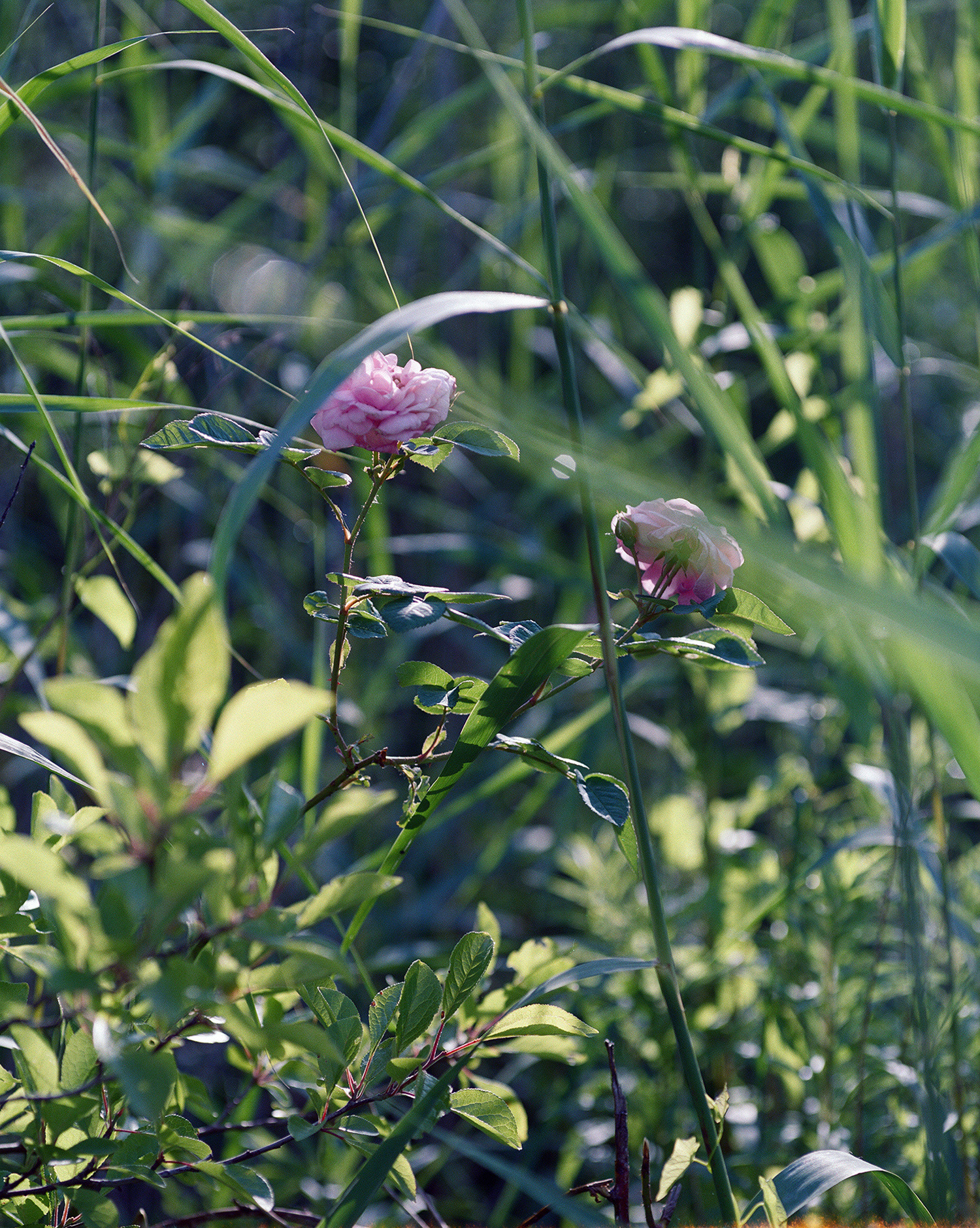
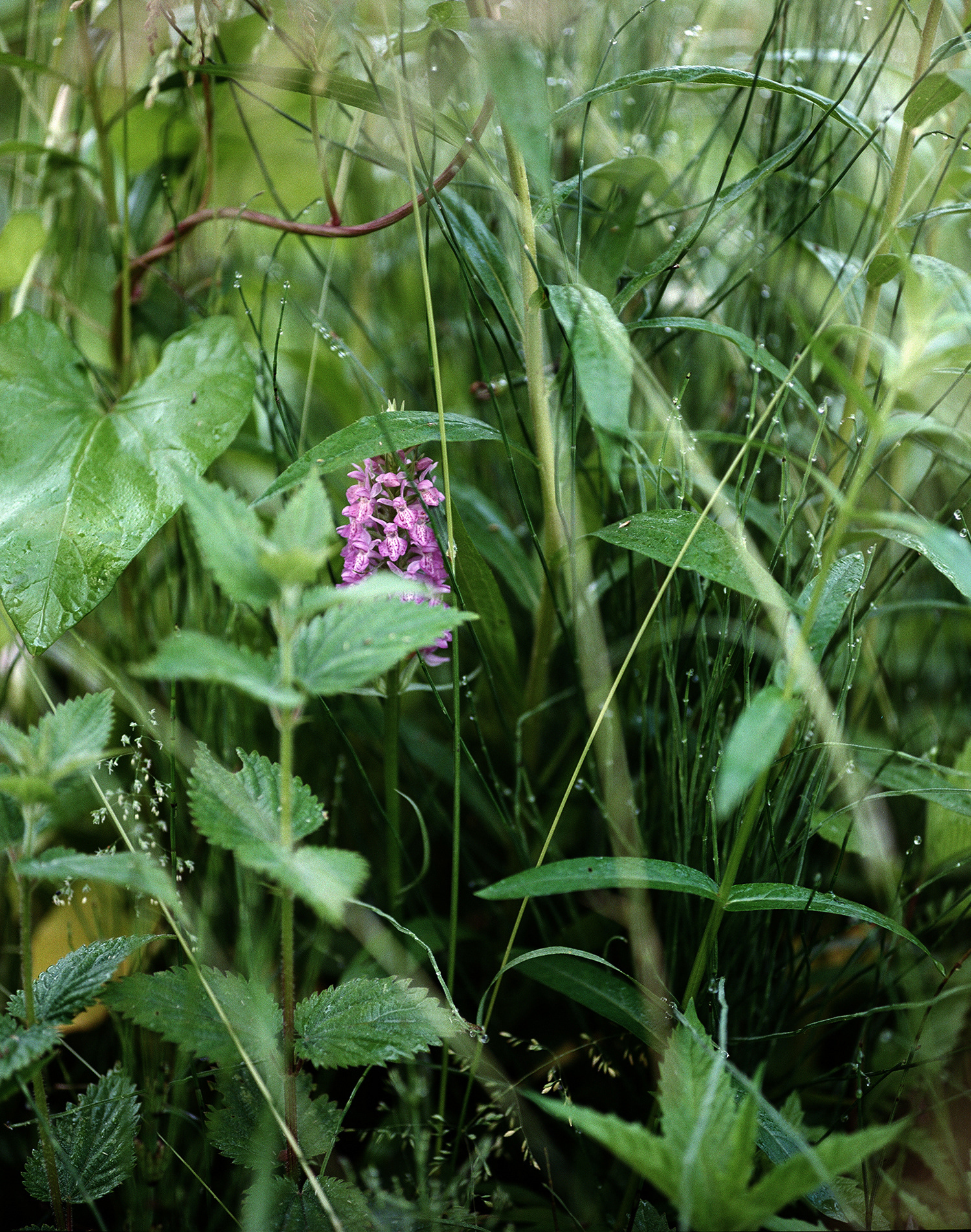
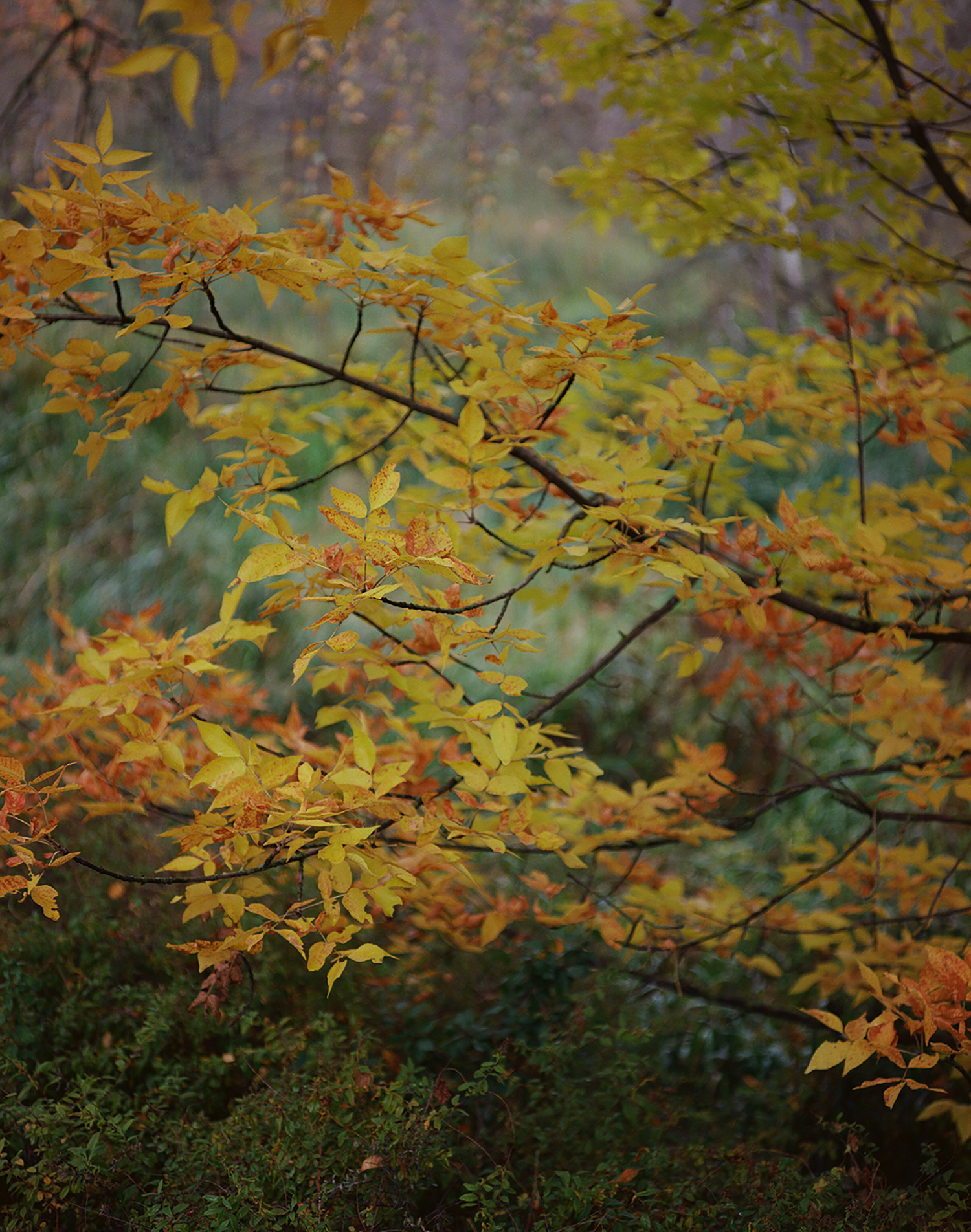
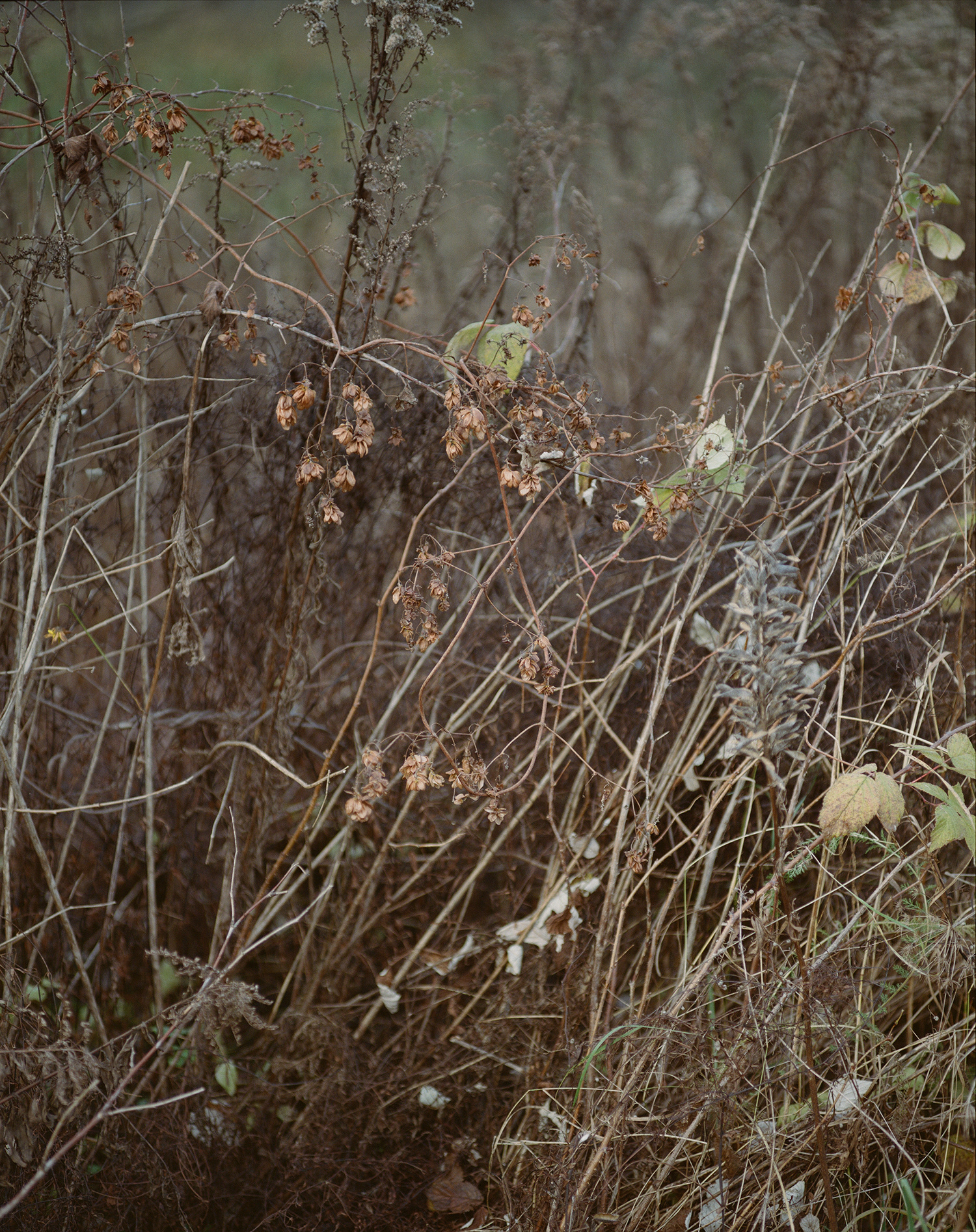
The biodiversity of this marshy habitat is remarkable. Alongside wild irises, lupines, yarrow, and tansy, one can even find the rare and protected marsh orchid. If the newly built and emerging university buildings did not appear on the horizon, it would be easy to imagine oneself standing in a wild meadow. Yet this garden, shaped not by human hands but by nature itself, reveals itself only to those willing to push through the dense undergrowth. It is also a place that cannot be understood through a single visit. Every week brings a different flowering, a new constellation of plants that catches my attention. The landscape is in constant transformation, never repeating itself. I have come to think of it as a garden whose only gardeners are nature and time.