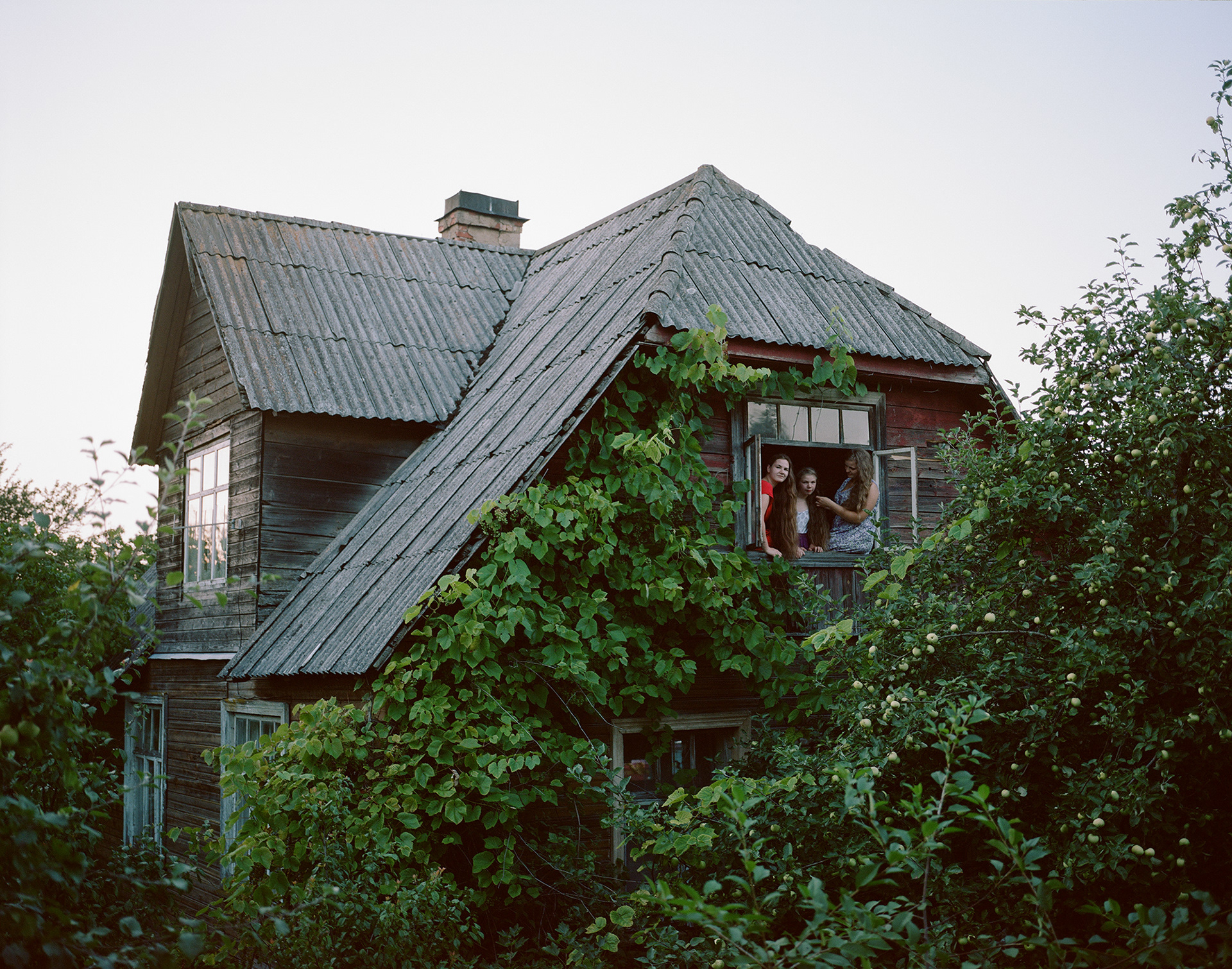
It is a sweltering summer day. I make my way along a path overgrown with nettles until I reach the yard of a house abandoned long ago. Through a broken window, I climb inside, perhaps for the last time.
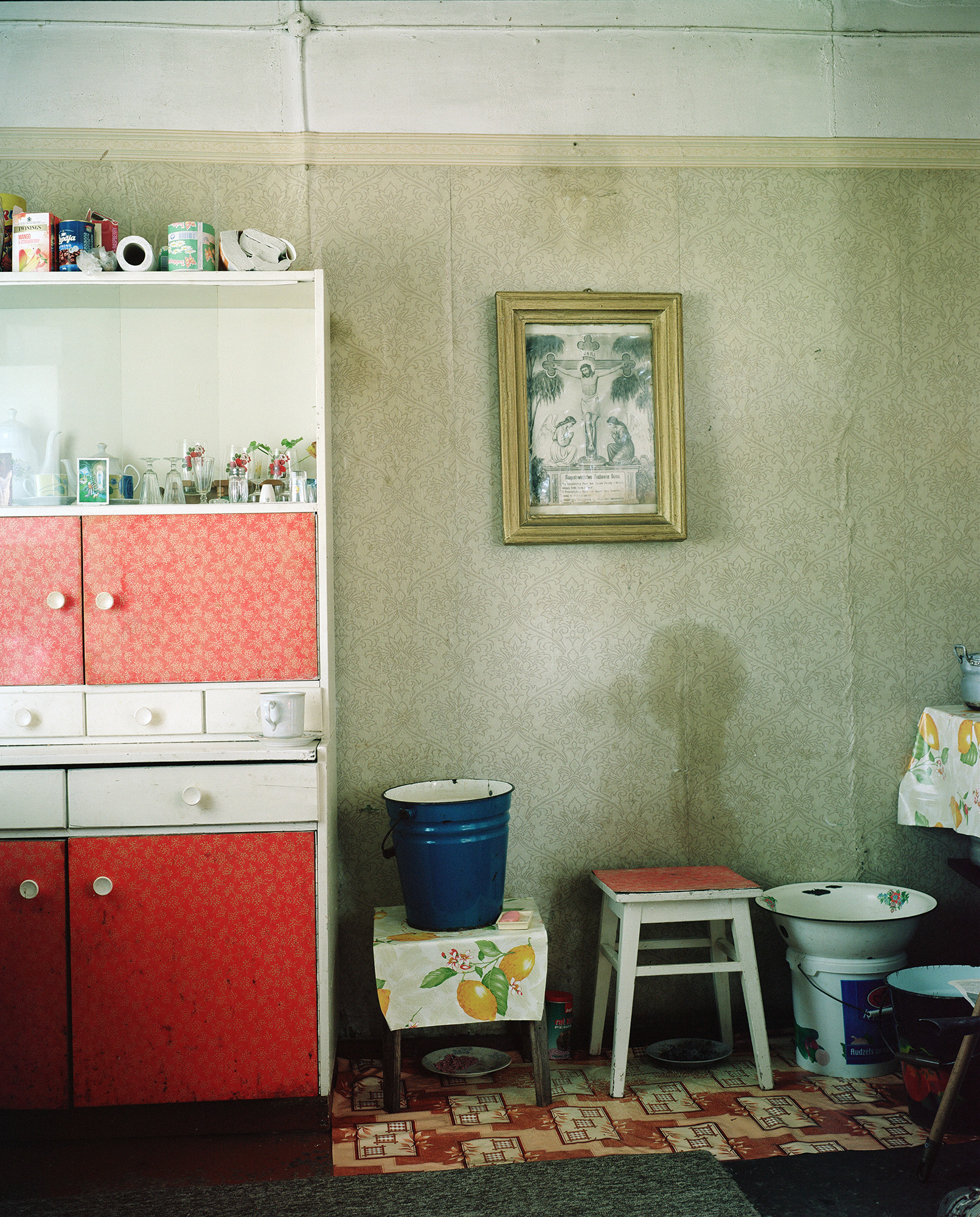
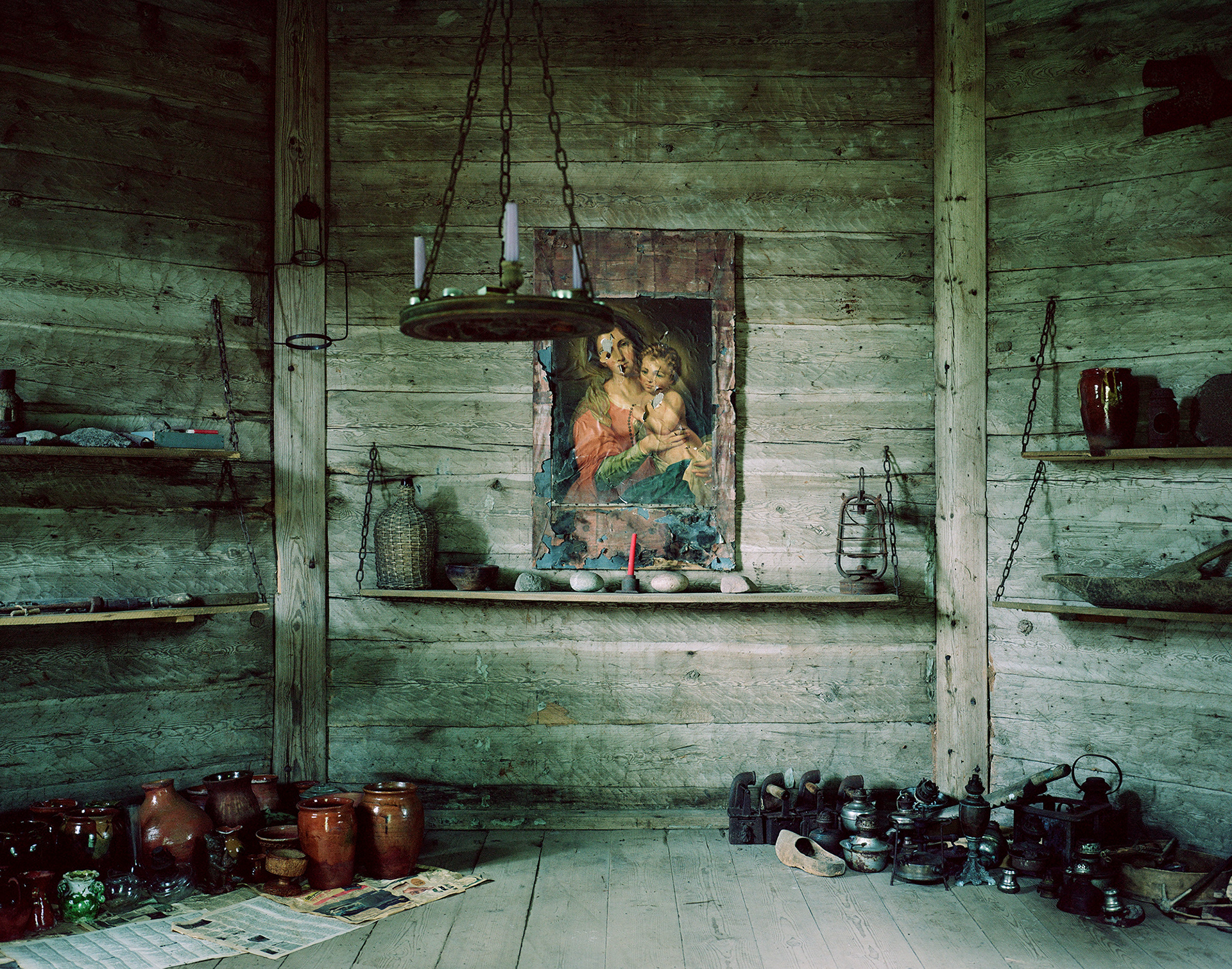
In the kitchen, jars of homemade jam still stand unopened. Coffee cups remain neatly arranged on the shelf, alongside an old refrigerator and a Soviet-era tape recorder. I stand in the half-empty room, trying to reconstruct images that have already begun to fade—memories of this very house from twenty years ago. Back then, the rooms seemed larger, and the stairs leading to the attic impossibly steep. It is, and at the same time is not, the house of my childhood. It refuses to resemble the house that exists in my memory. Every time I return to this place, I reinvent it, just as I reinvent the people I once met here and the Latgale I knew through a child's eyes.
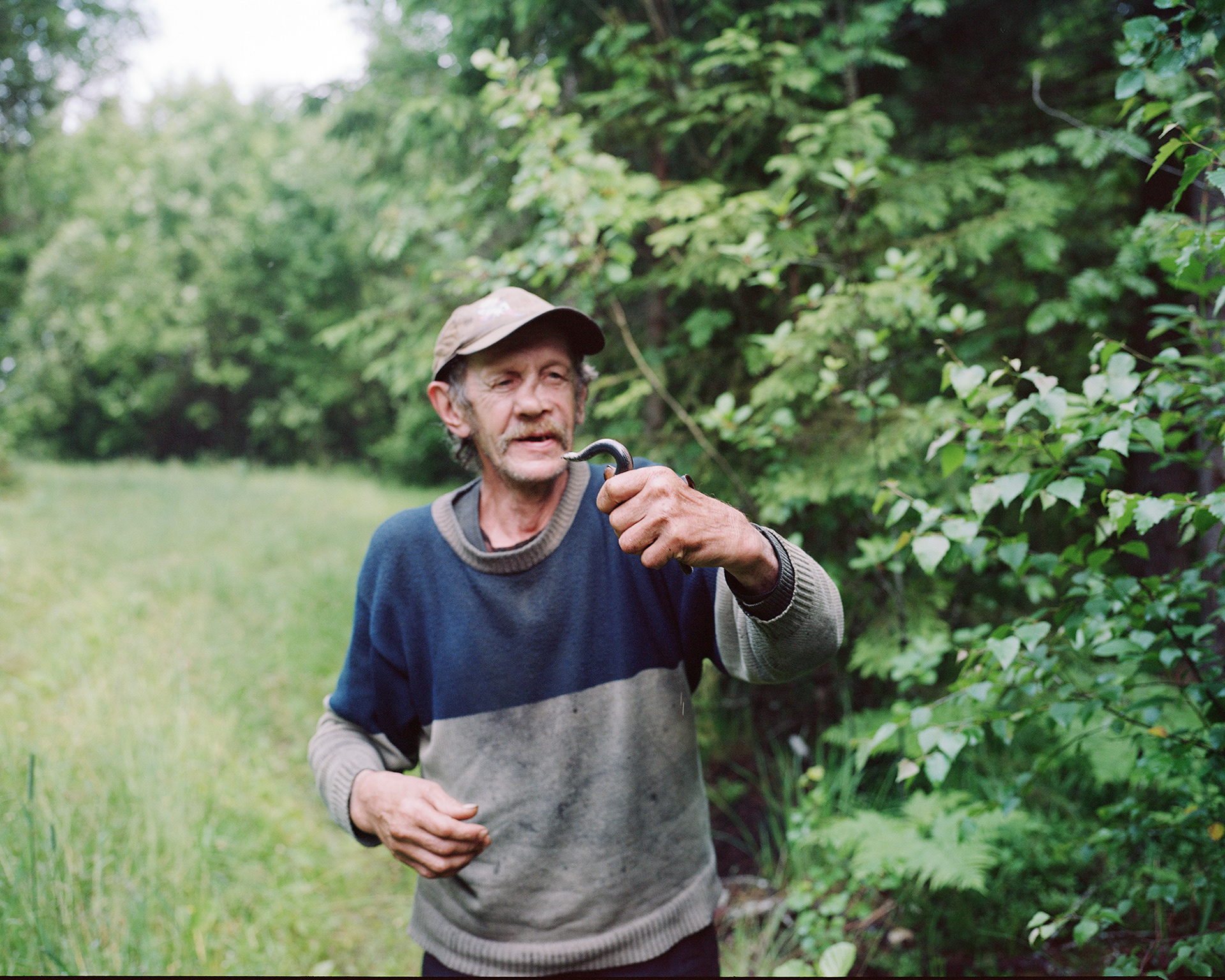
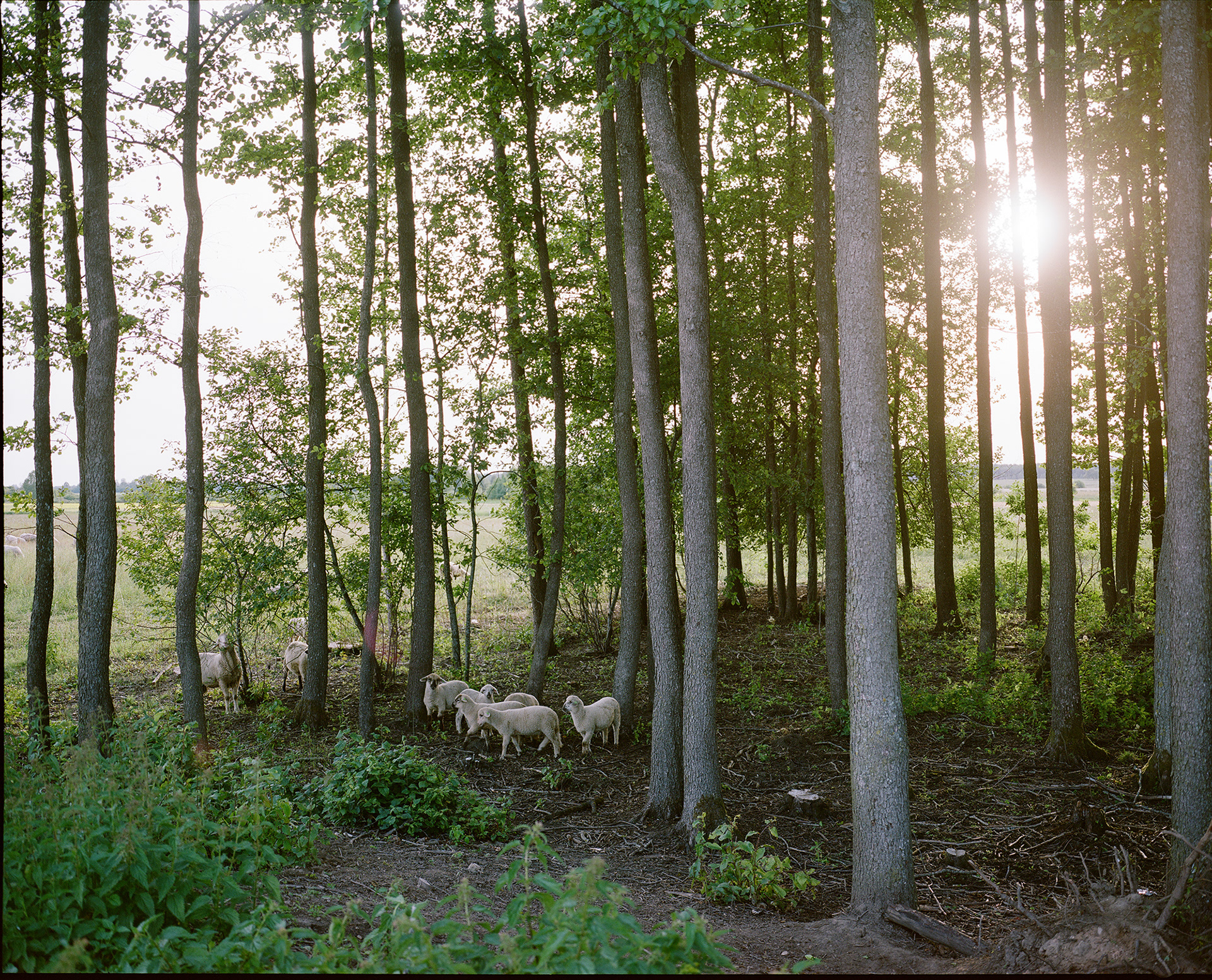
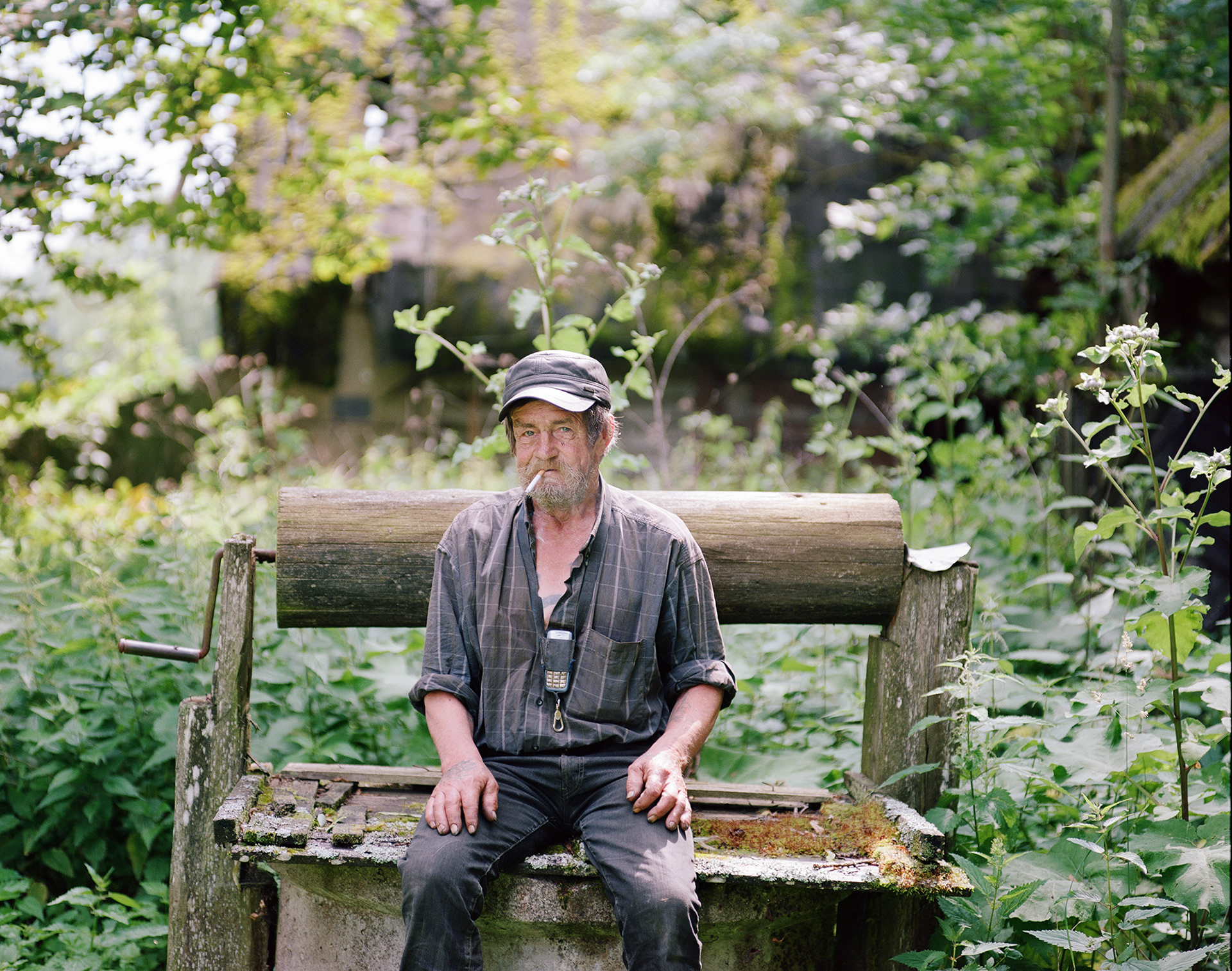
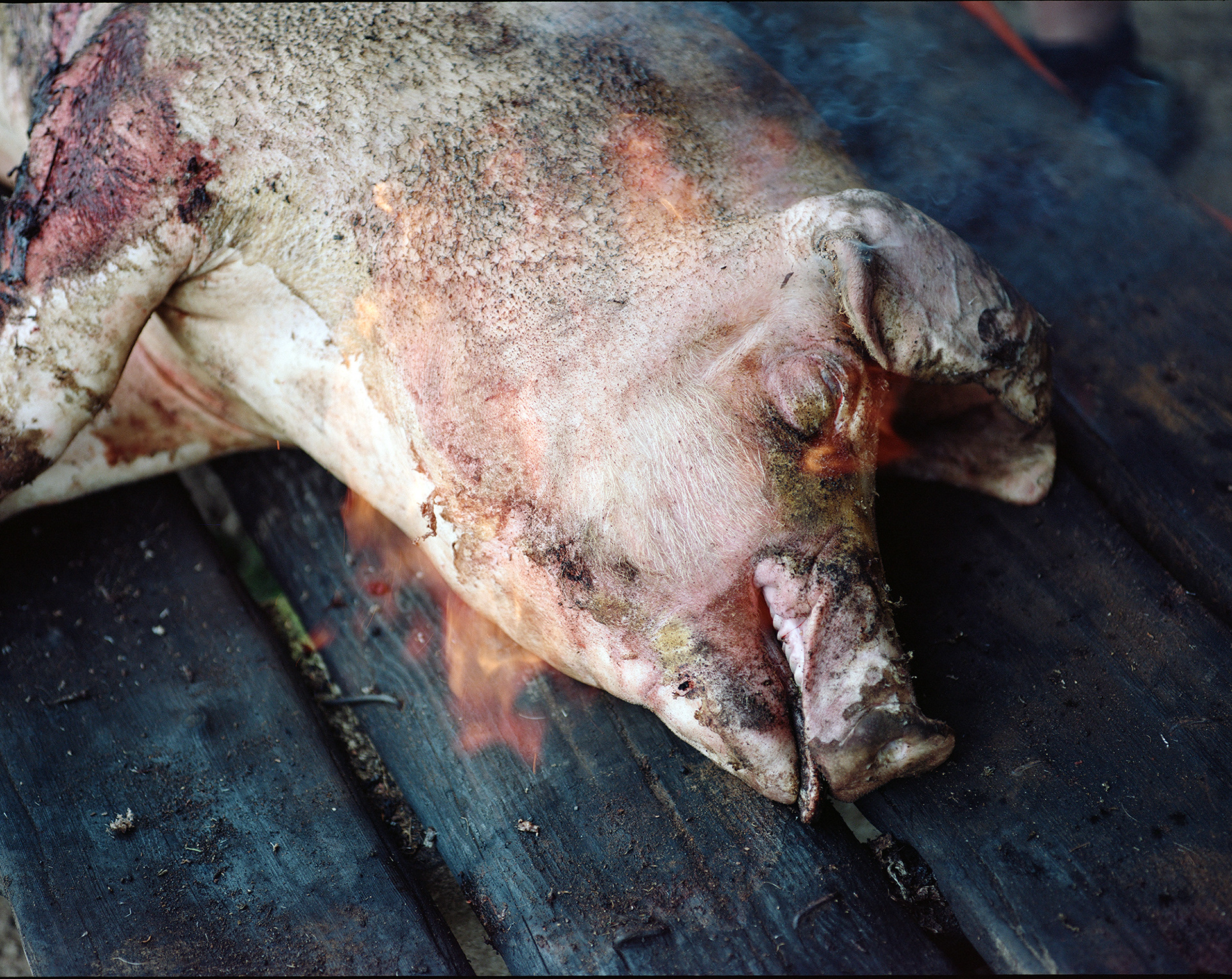
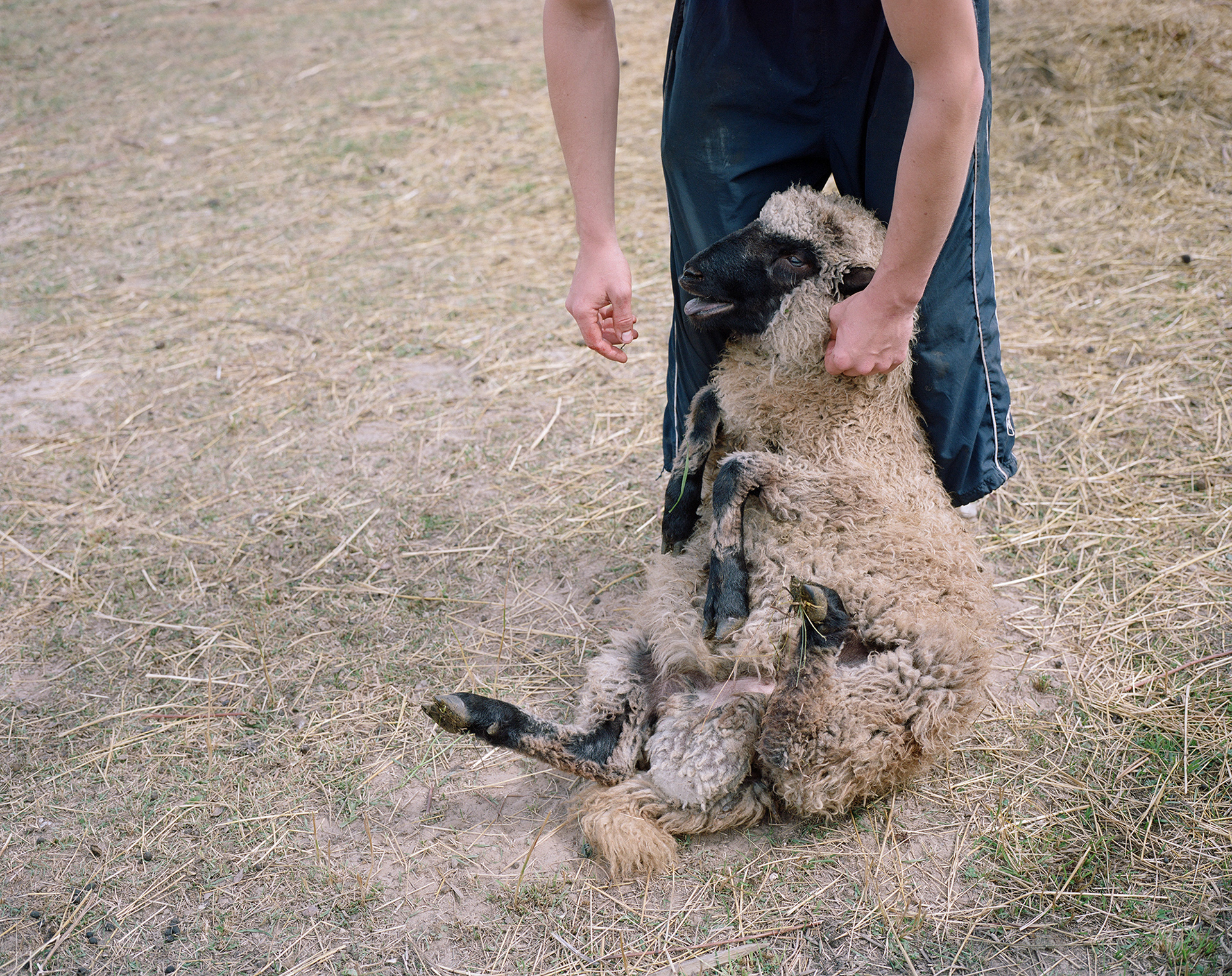
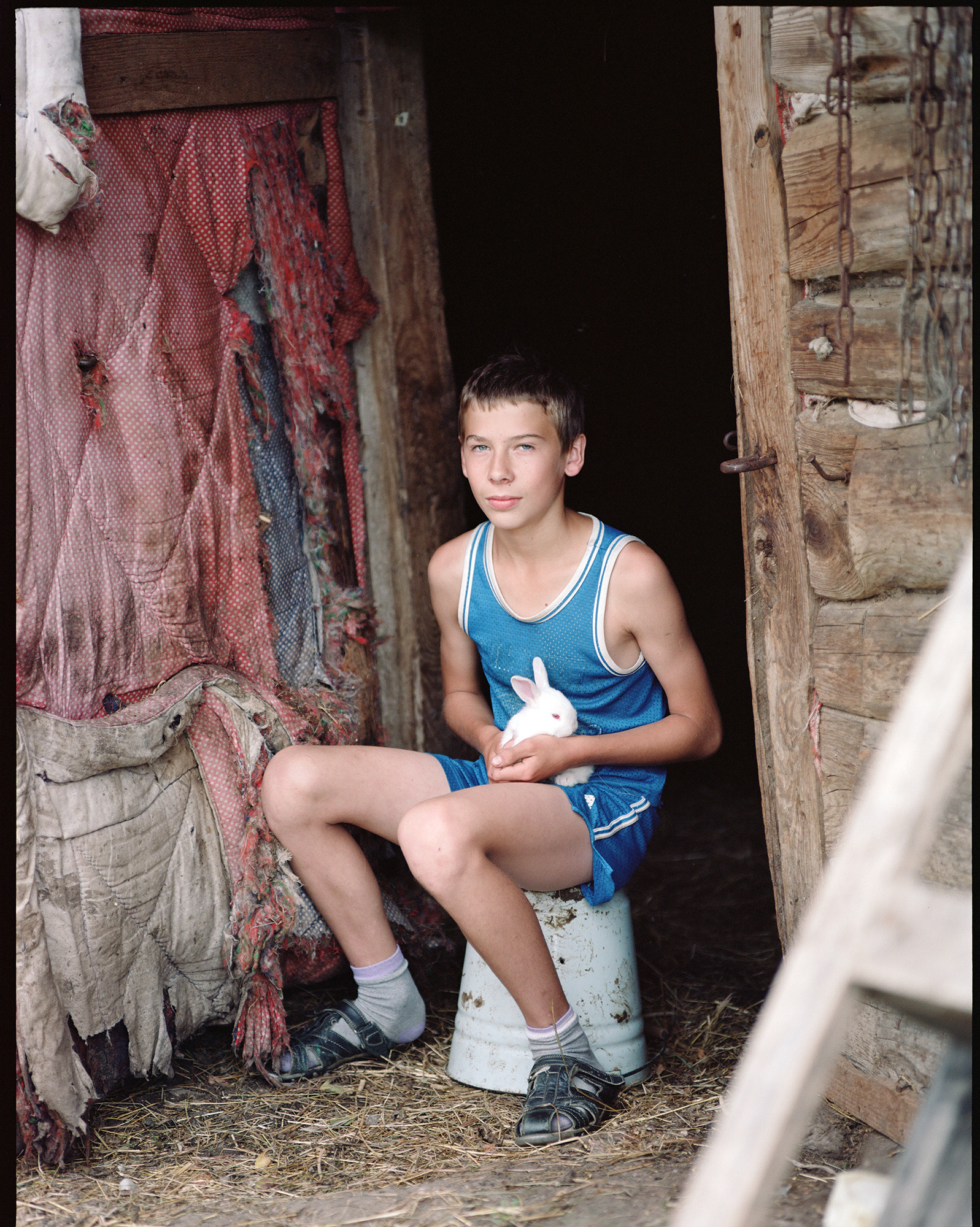
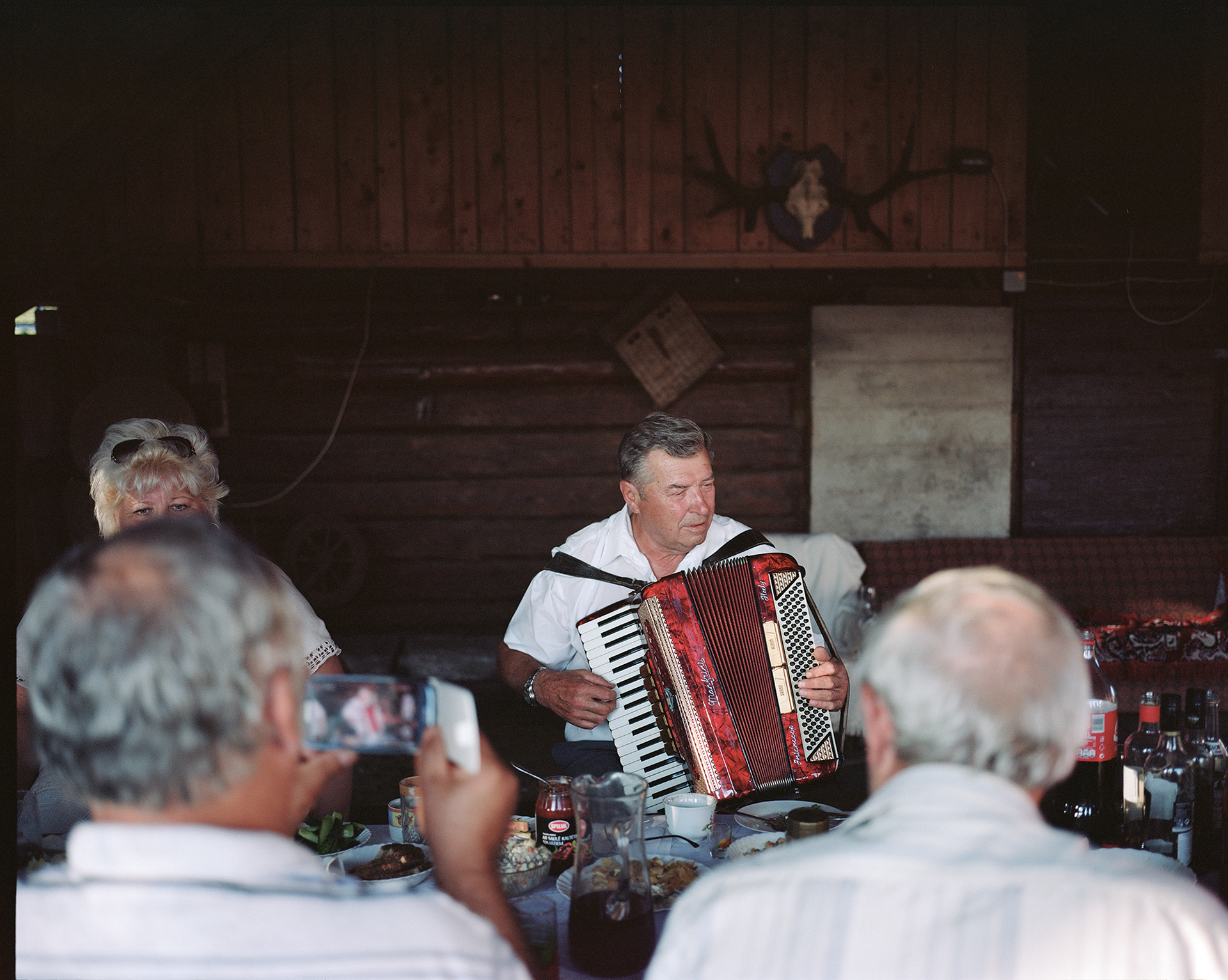
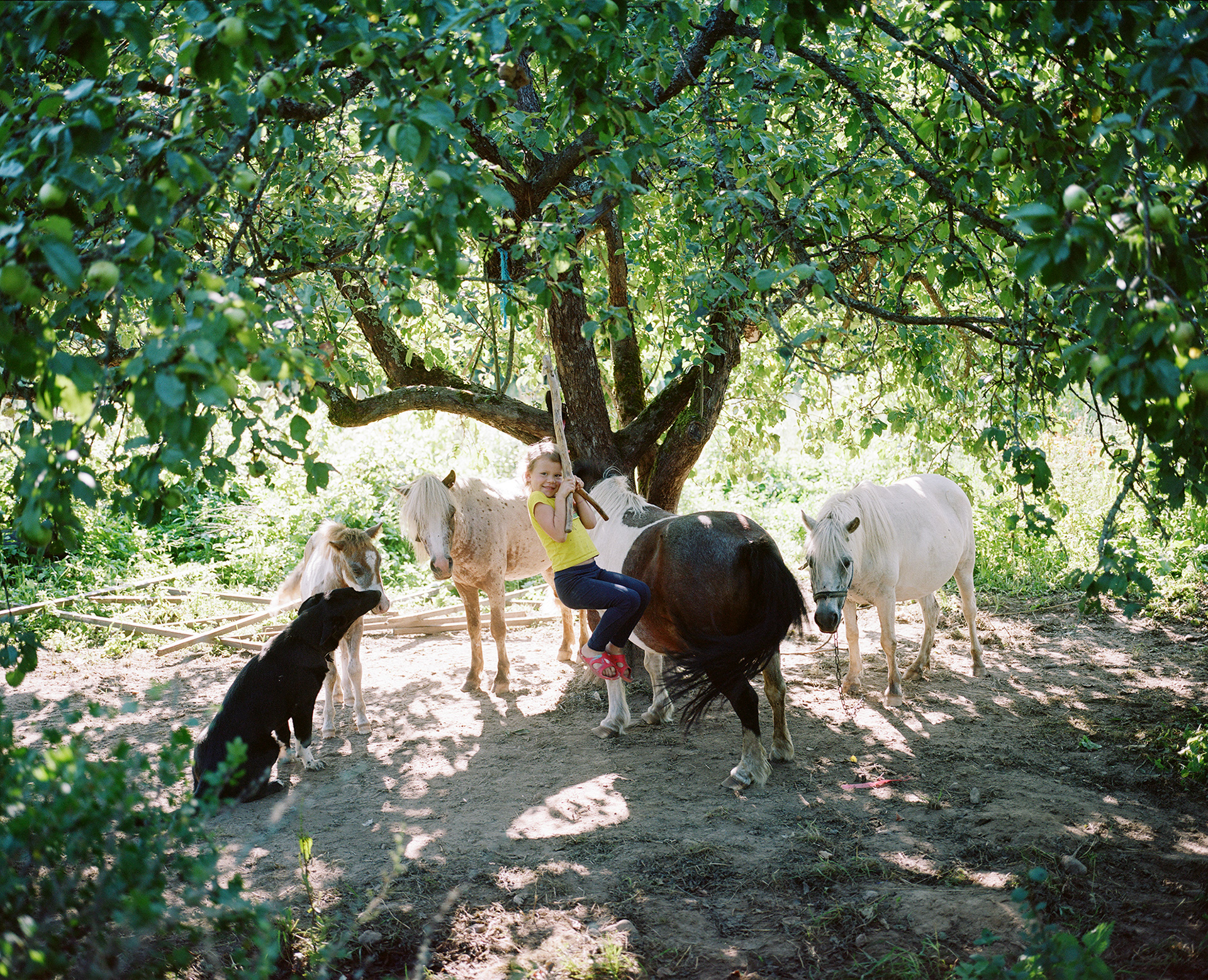
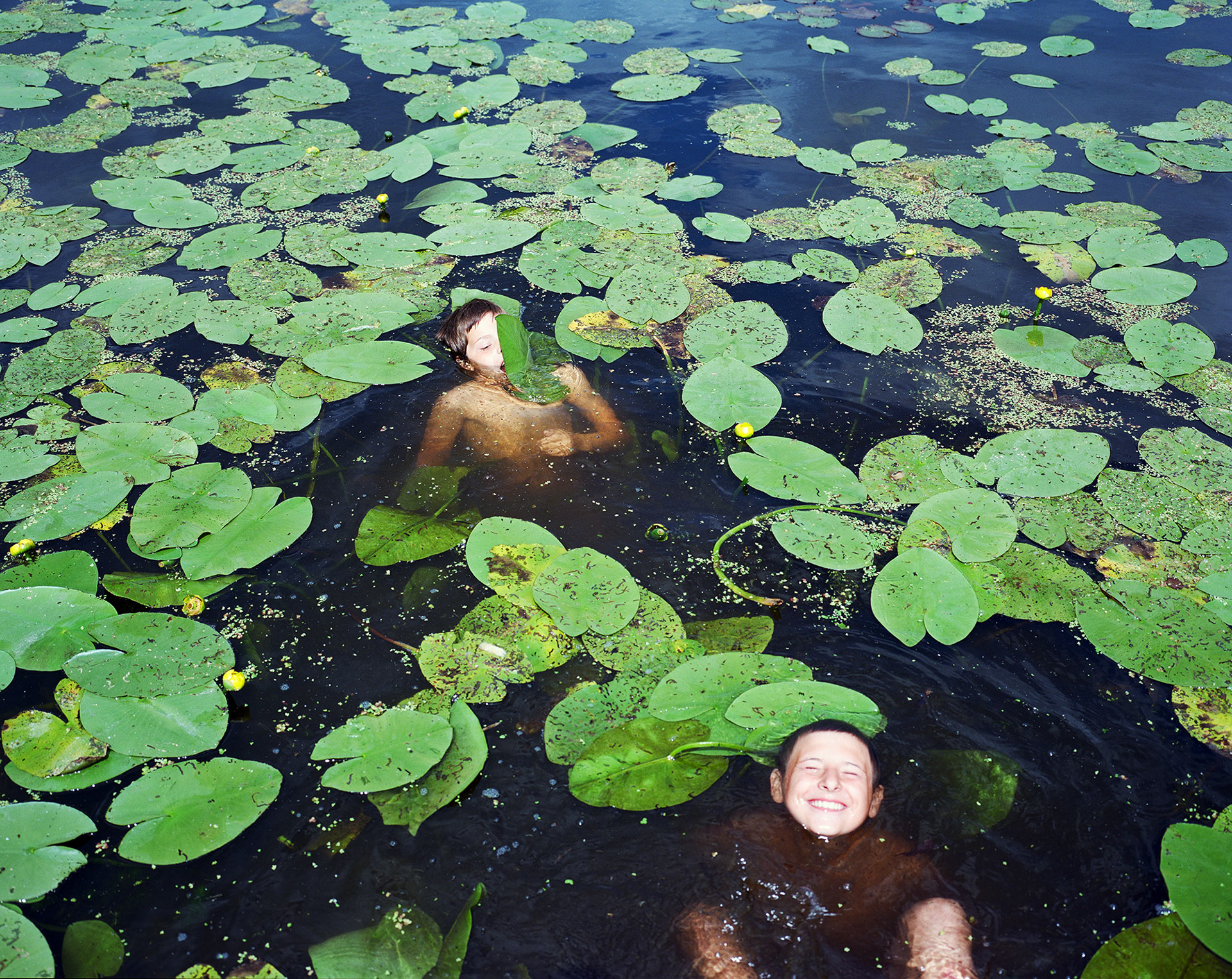
It is impossible to return to the past, or even to our memories. Yet I stubbornly search for the small fragments that remain from what was once a table overflowing with life. I look for them in the smell of the barn, in a pile of hay, in evening swims in a forest lake, or simply in the face of an elderly person.
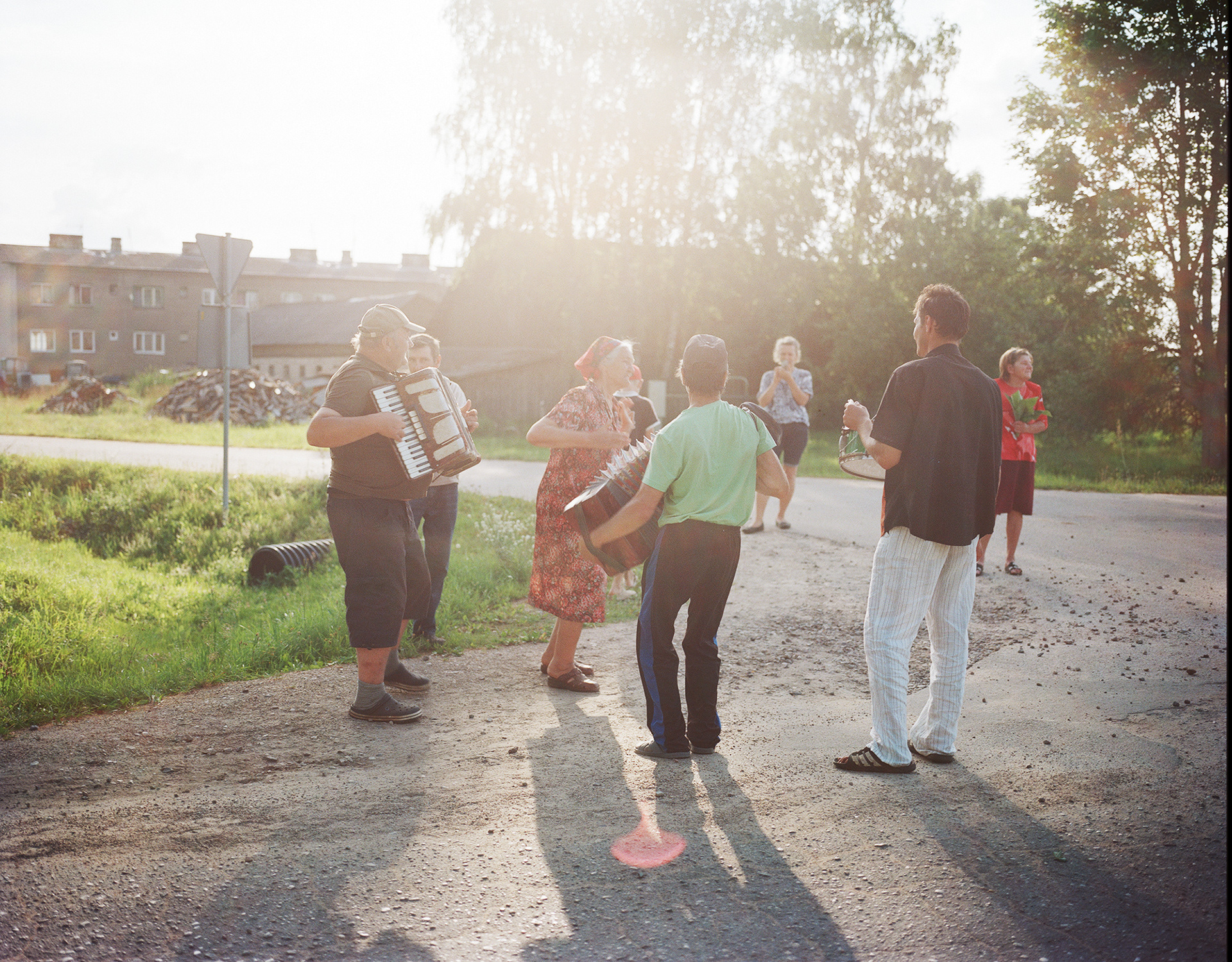
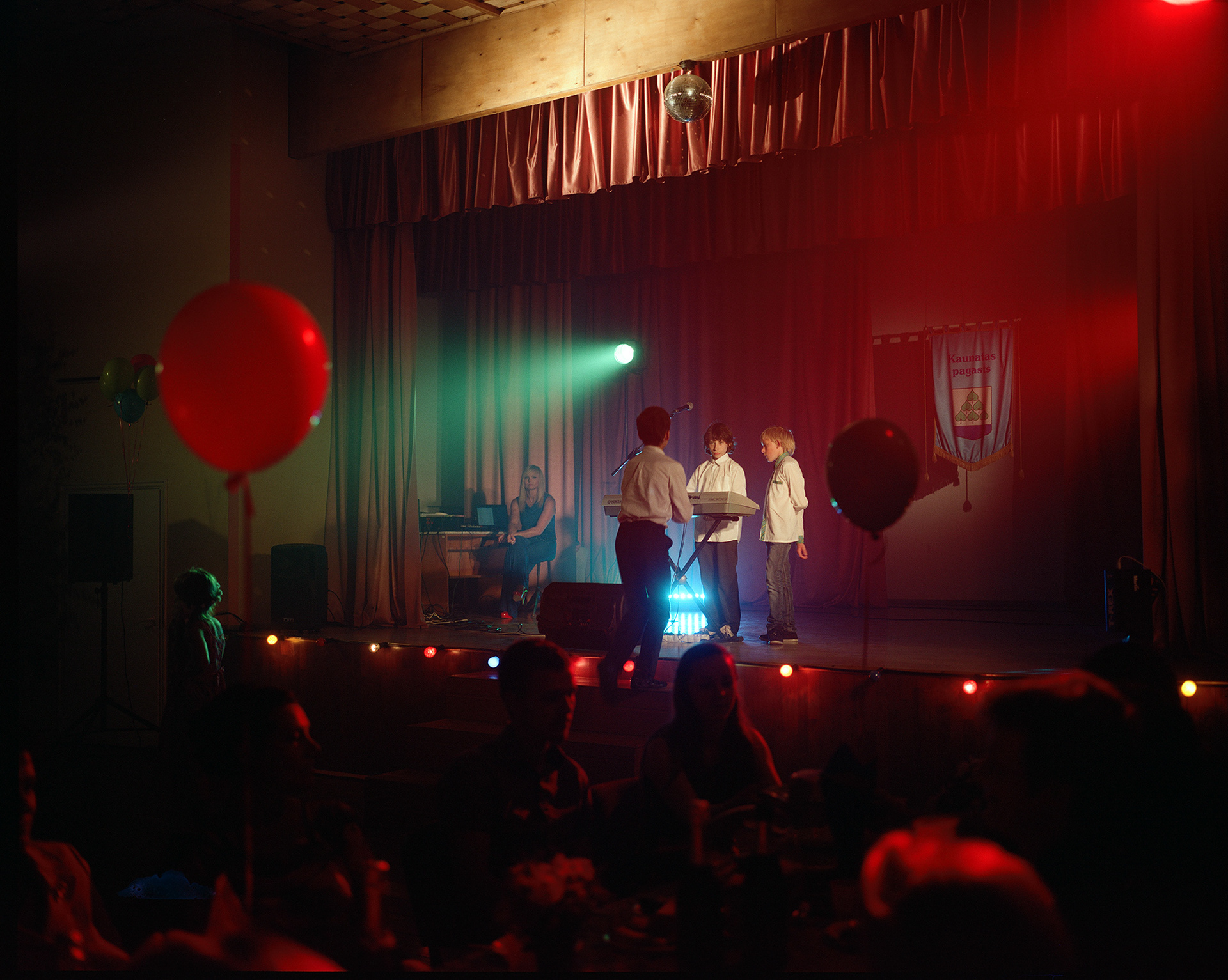
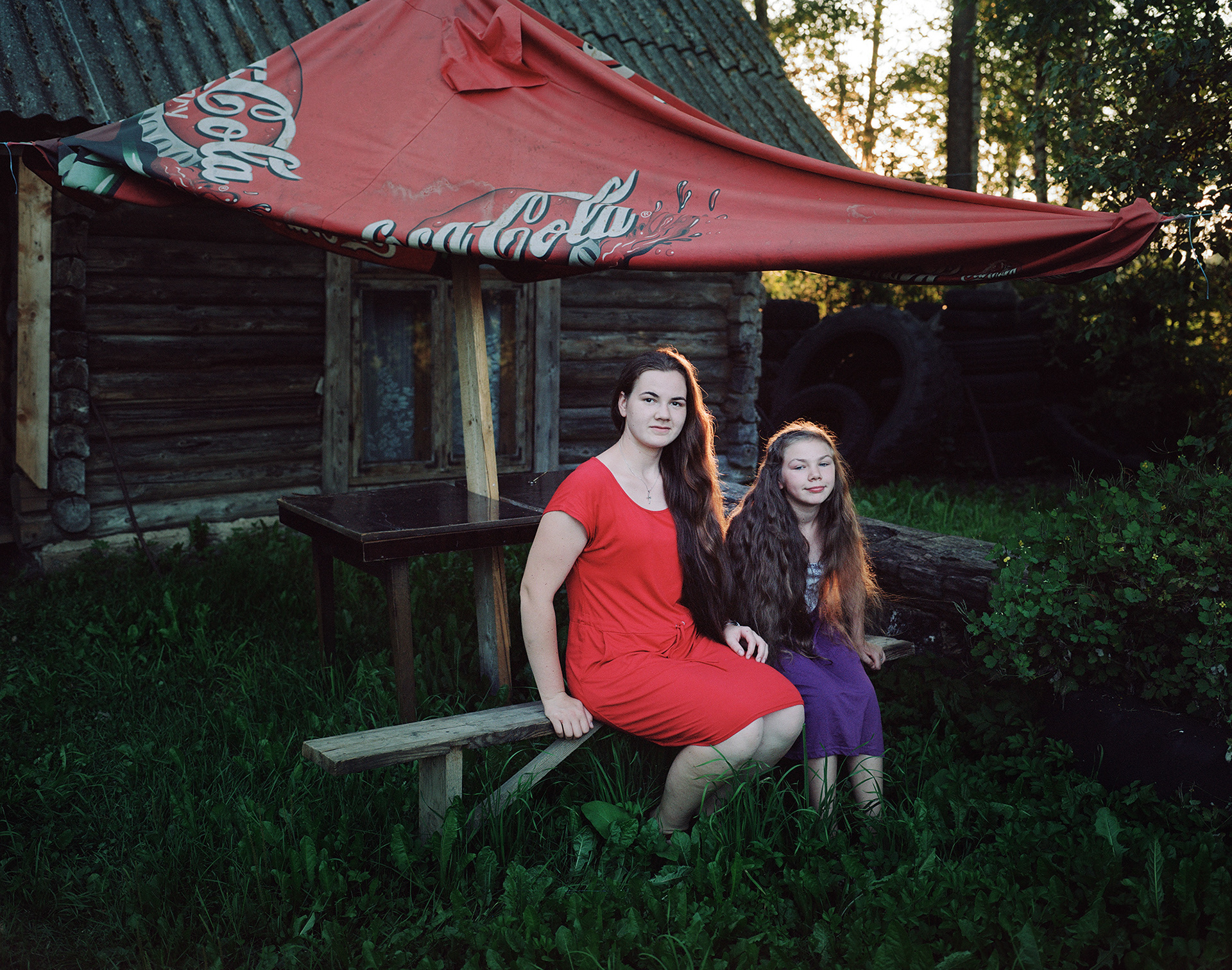
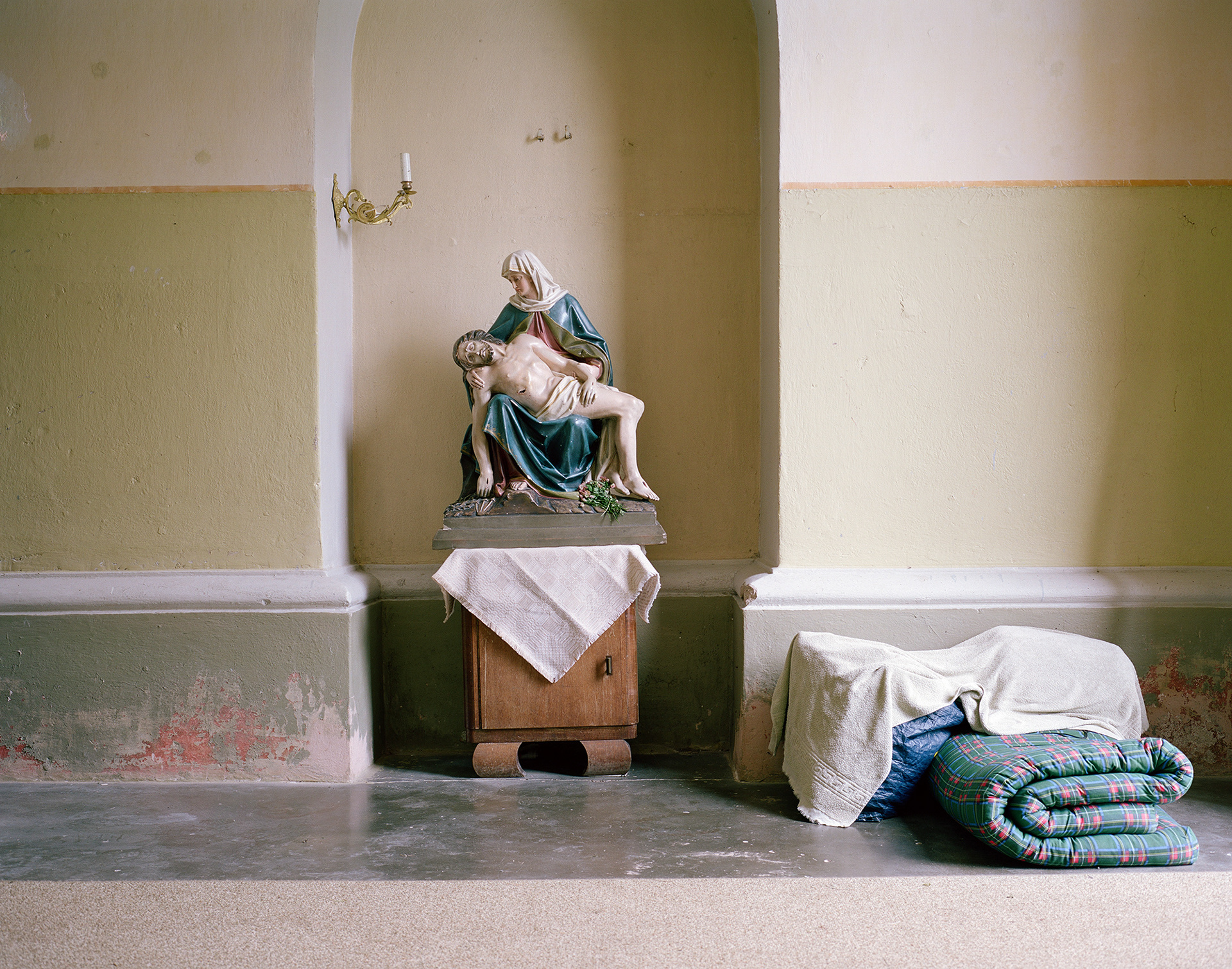
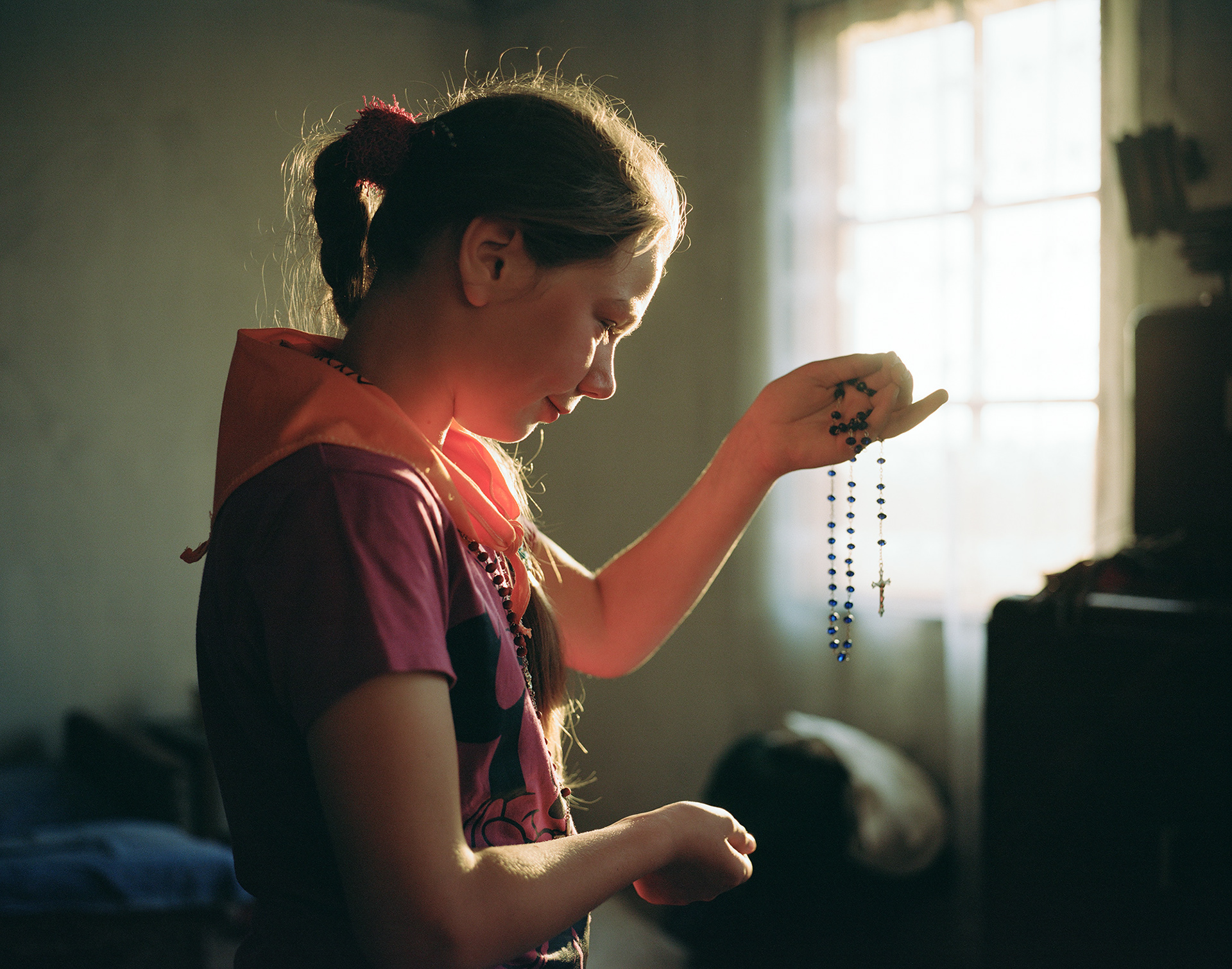
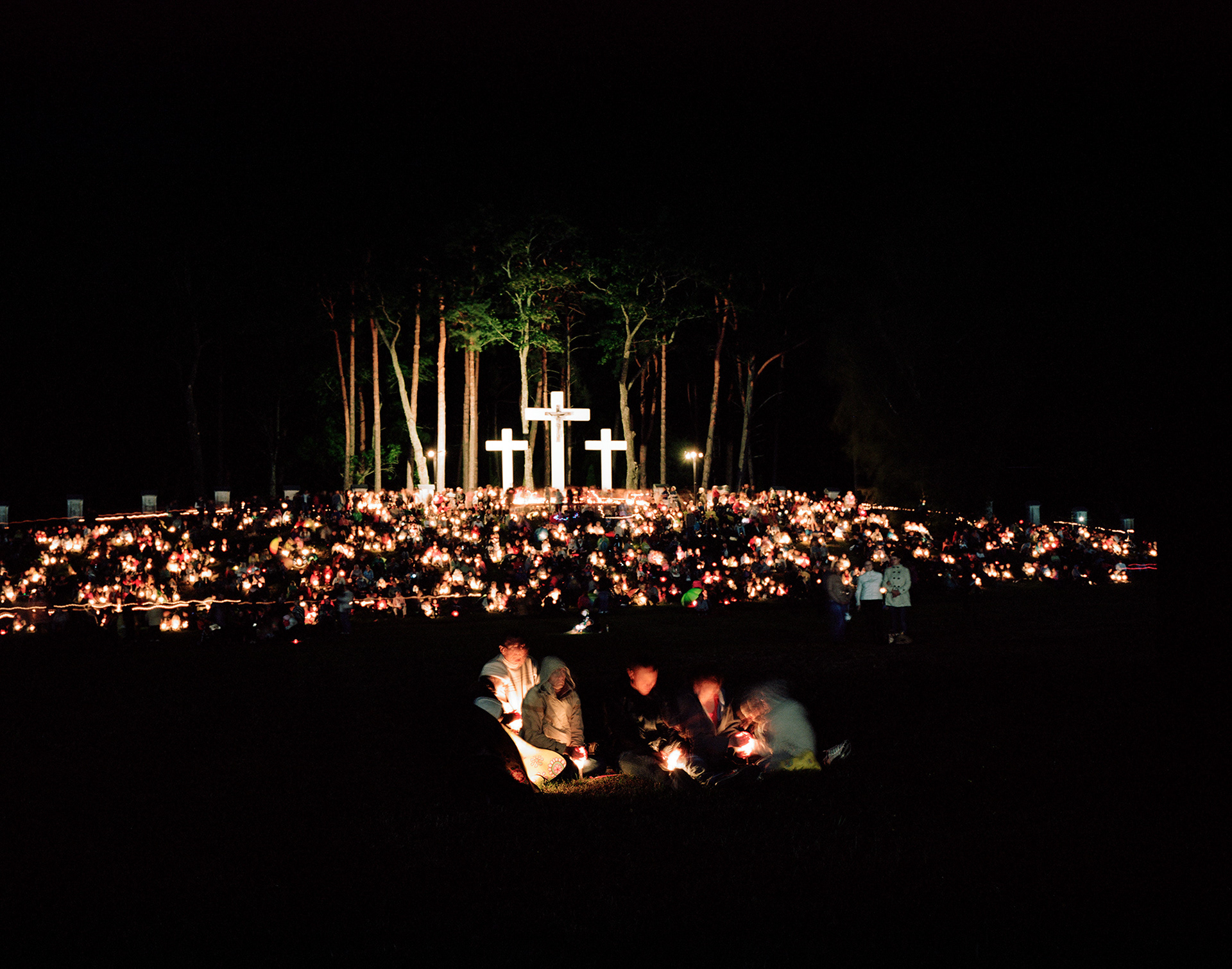
Whenever I am in Latgale, I am overwhelmed by a profound sense of loss, yet also by an unexpected joy. For me, Latgale has become a metaphor for a lost childhood. Witnessing the emptiness of these places and the slow decay of what previous generations left behind, I find myself observing the disappearance of the Latgale I once knew. Yet this work is also an attempt to hold on to the last remaining echoes of landscapes that once felt deeply familiar before they vanish altogether.